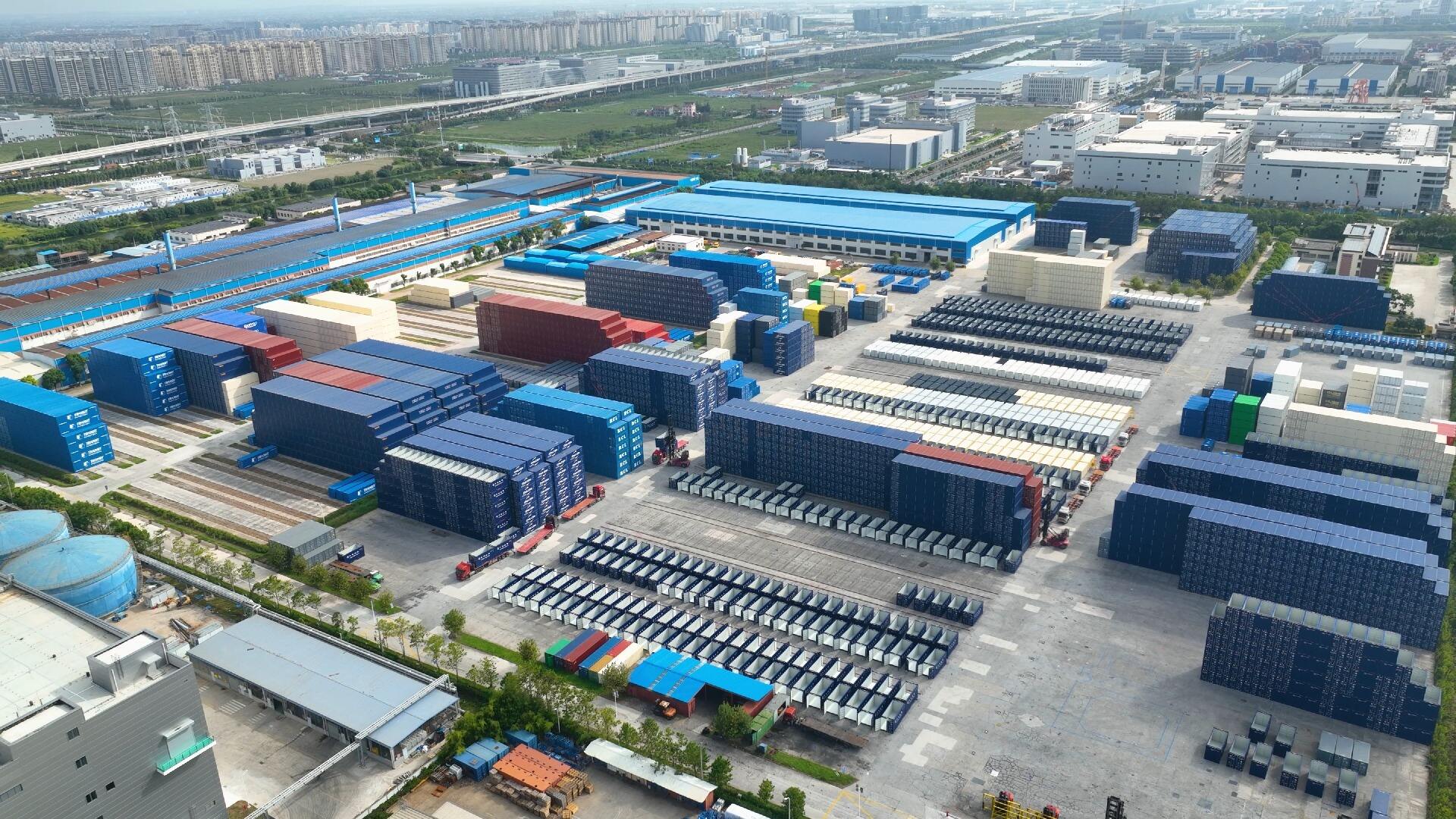
Container as House: Sustainable, Flexible Solutions for Residential, Commercial & Emergency Use
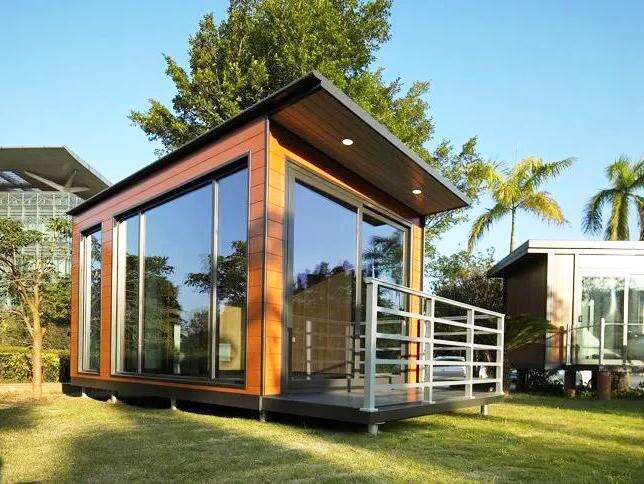
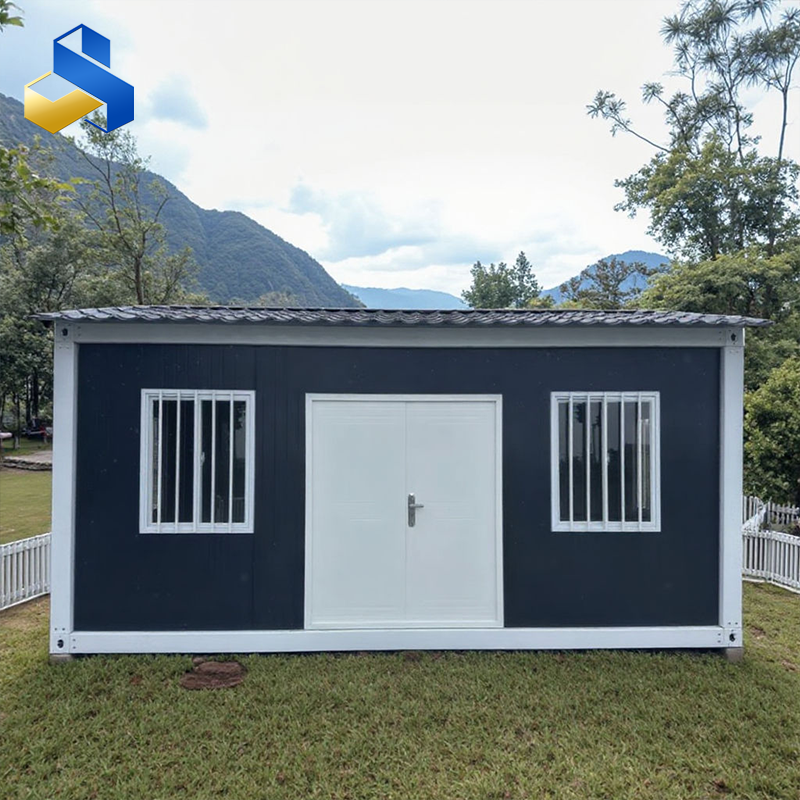
As a residential option, “container as house” addresses two of modern homebuyers’ biggest pain points: affordability and sustainability. For urban dwellers struggling with high real estate costs, it transforms into compact micro-homes that fit small city lots—slashing land and construction expenses compared to traditional houses. Made from recycled shipping steel, it reduces carbon footprints, appealing to eco-conscious buyers. Unlike conventional builds that take 6+ months, a container house can be assembled and customized (with insulation, modern interiors, and open layouts) in just weeks, making it ideal for first-time homeowners, downsizers, or anyone wanting a quick path to homeownership.
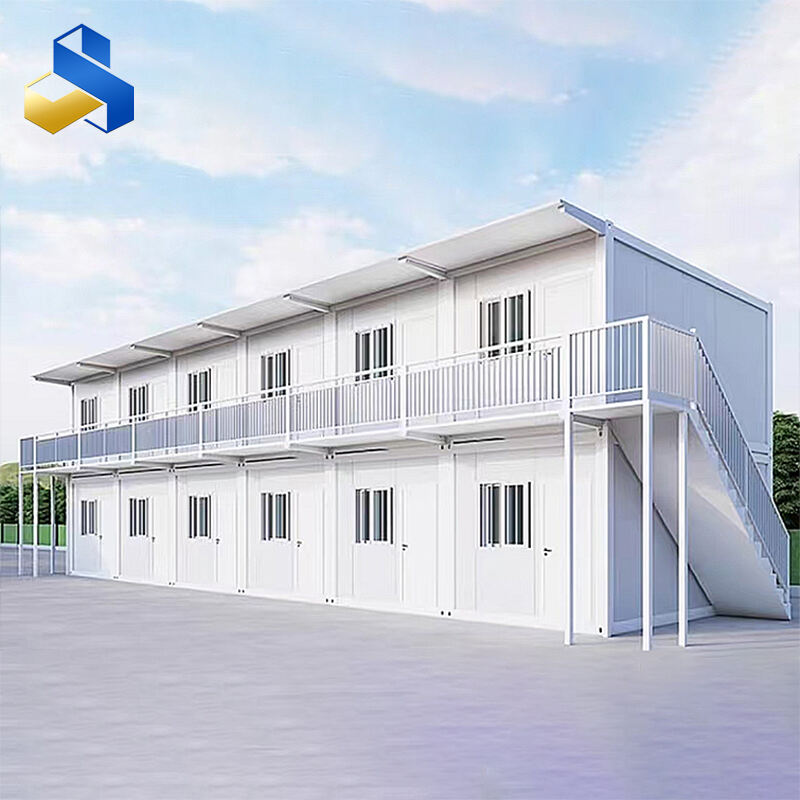
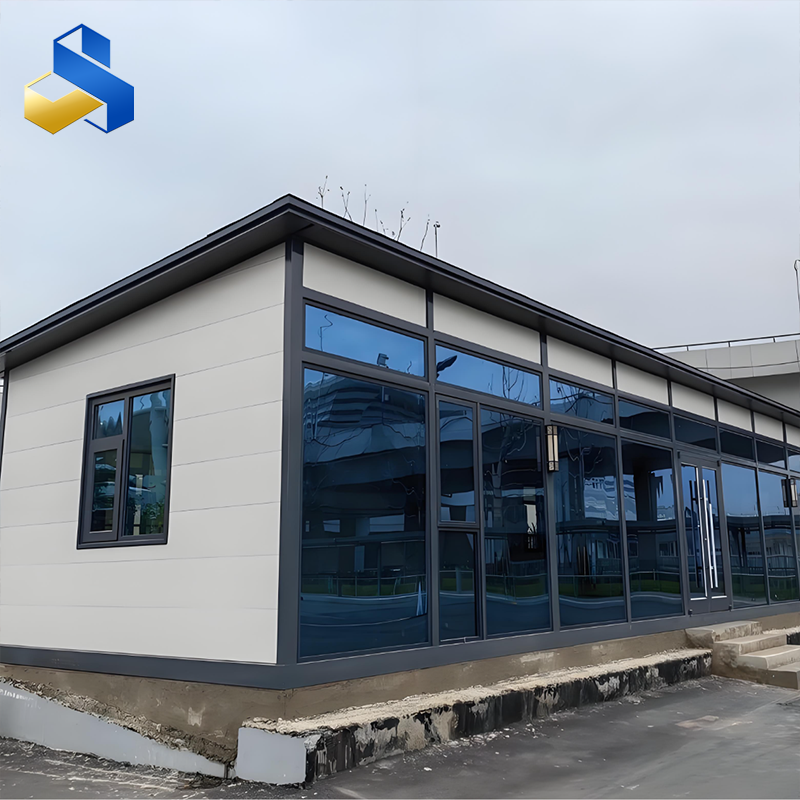
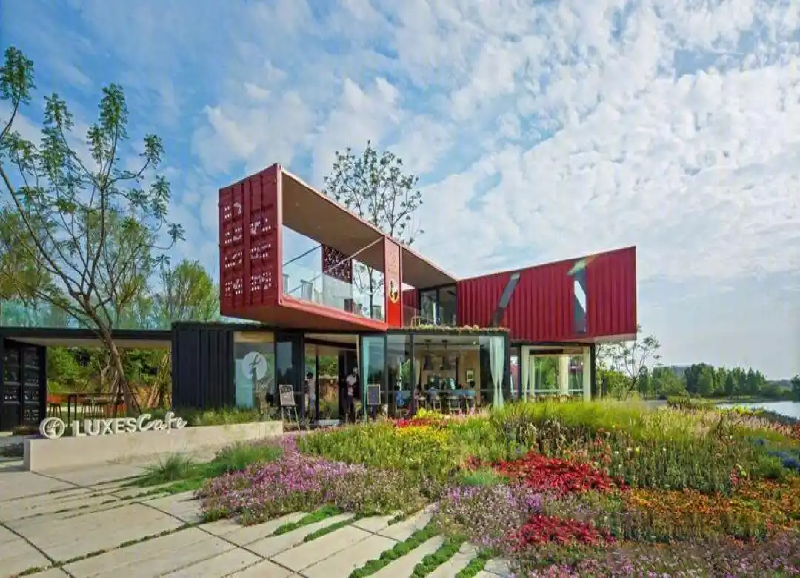
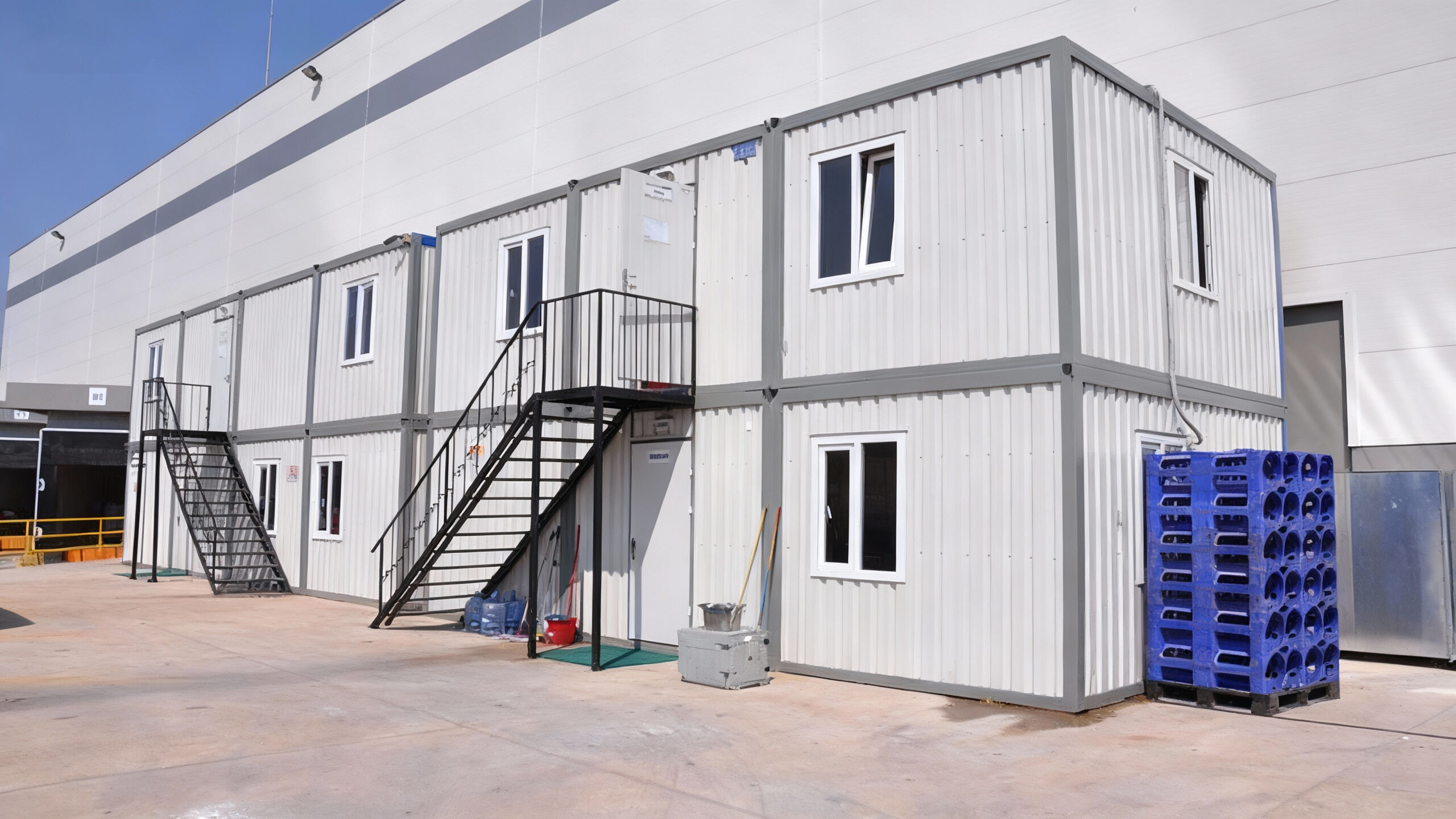
In commercial and community settings, “container as house” shines as a low-cost, adaptable solution. Small businesses use it for eye-catching pop-up shops, outdoor cafes, or market stalls—portable enough to relocate for festivals or seasonal trends, yet durable enough for year-round permanent use. Co-working spaces and startup offices also benefit: its modular design lets businesses expand or reconfigure floors without tearing down walls, saving time and renovation costs. For underserved communities, it fills critical gaps as affordable community centers, small clinics, or after-school programs—fast to deploy and budget-friendly, ensuring areas with limited infrastructure still get essential spaces.
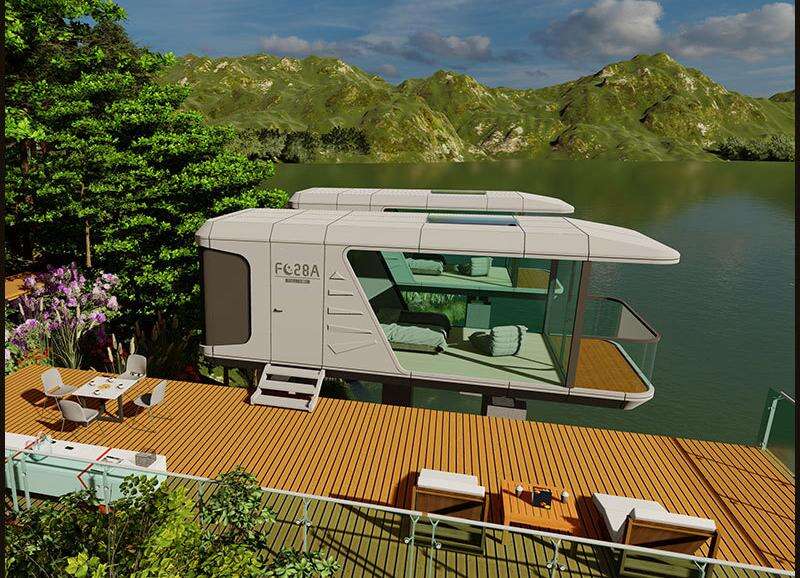
“Container as house” is also a lifeline in emergency and remote scenarios. During natural disasters like hurricanes or floods, it serves as immediate, weather-resistant shelters—lightweight enough to ship to hard-hit regions via truck or plane, and sturdy enough to withstand strong winds and rain. In remote areas, it becomes practical housing for off-grid getaways, wilderness research stations, or mining/oil worker camps. Its rigid structure supports solar panels, rainwater collection systems, and composting toilets, making it self-sufficient in areas with no access to utilities—eliminating the need for expensive, time-consuming traditional builds in isolated locations.

 EN
EN