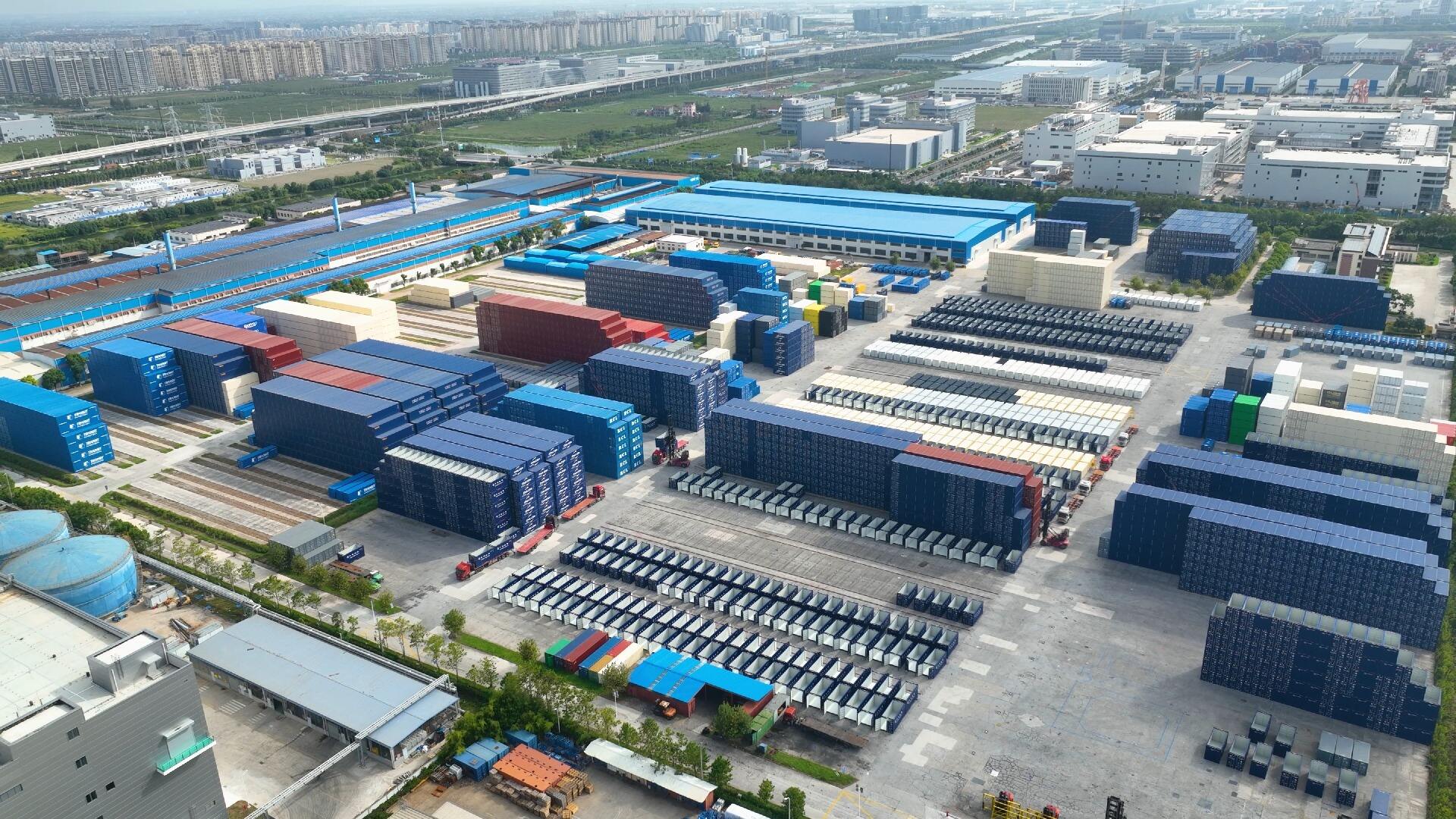
Container Houses: Sustainable, Versatile Solutions for Modern Living & Beyond
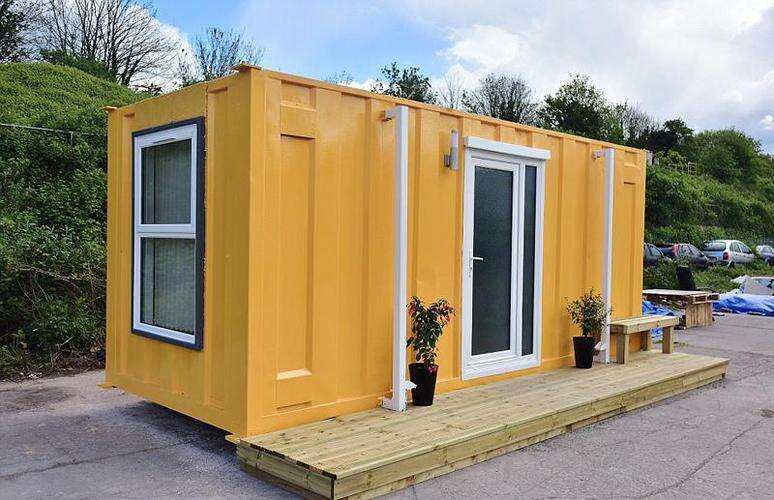
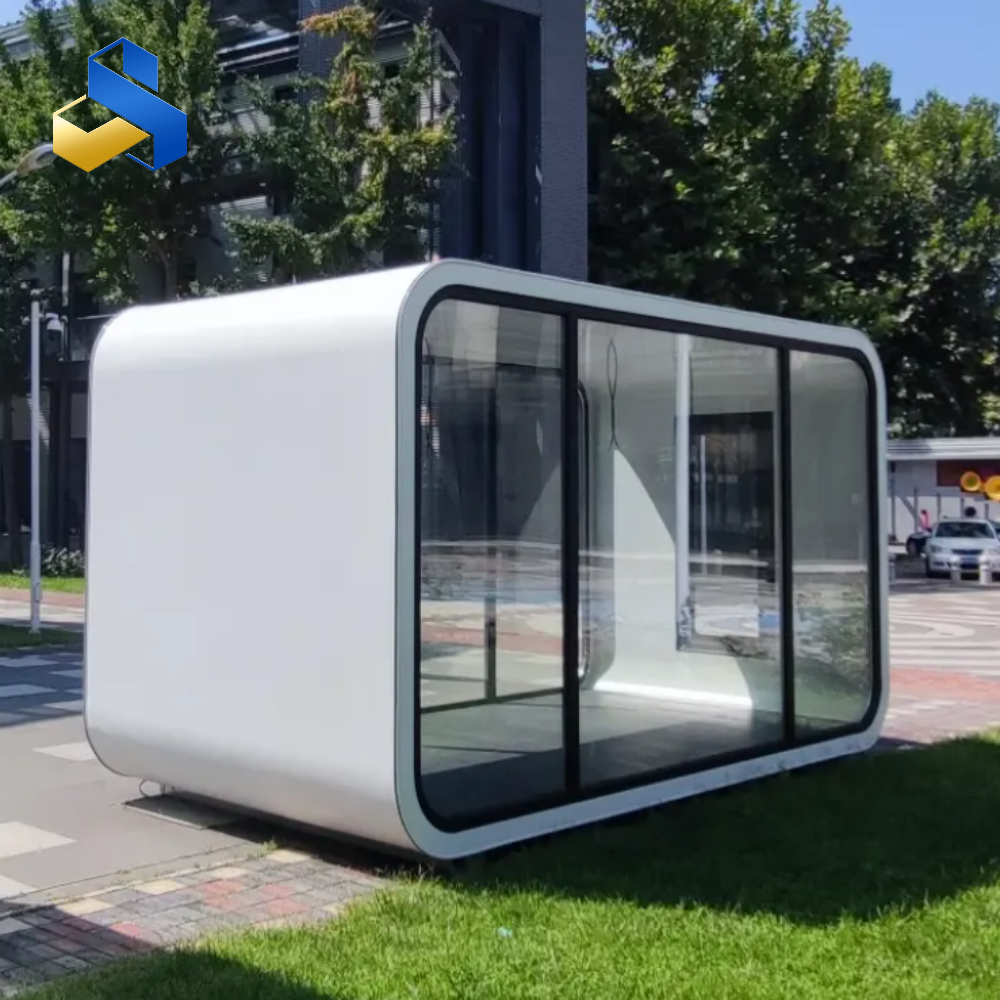
Container houses are rapidly emerging as a game-changer in residential construction, addressing key modern needs like affordability, speed, and sustainability. For urban dwellers, they transform into compact micro-homes that fit tight city lots, cutting down on land and construction costs while leveraging recycled steel (from shipping containers) to reduce carbon footprints. In rural areas, they serve as cozy retreats or modular family home expansions—easily customized with insulation, modern finishes, and open layouts to match lifestyle needs. Unlike traditional builds that take months, container homes can be assembled in weeks, making them a go-to for homeowners seeking quick, eco-conscious housing.
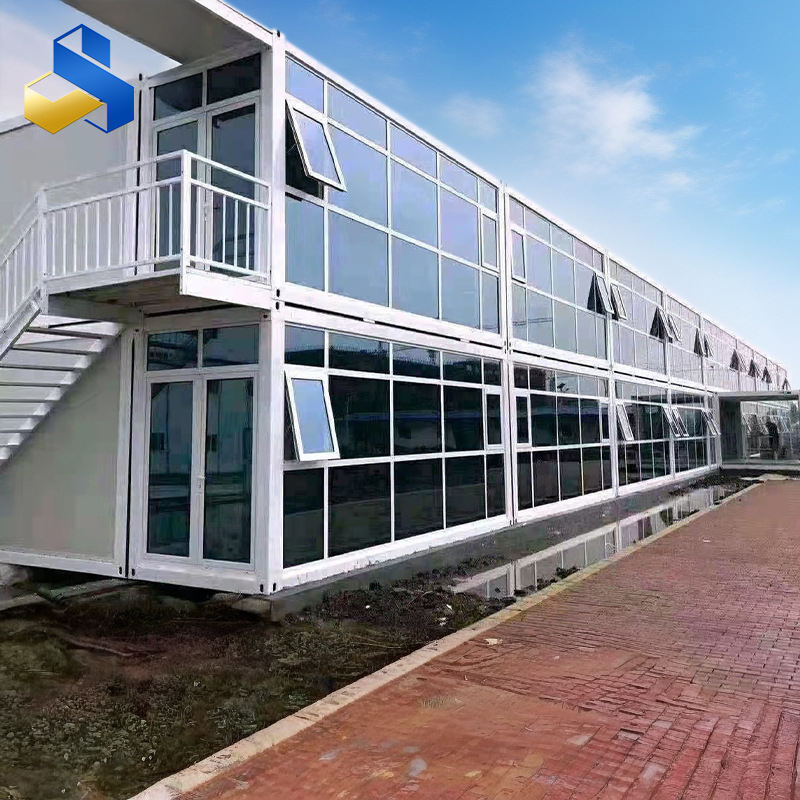
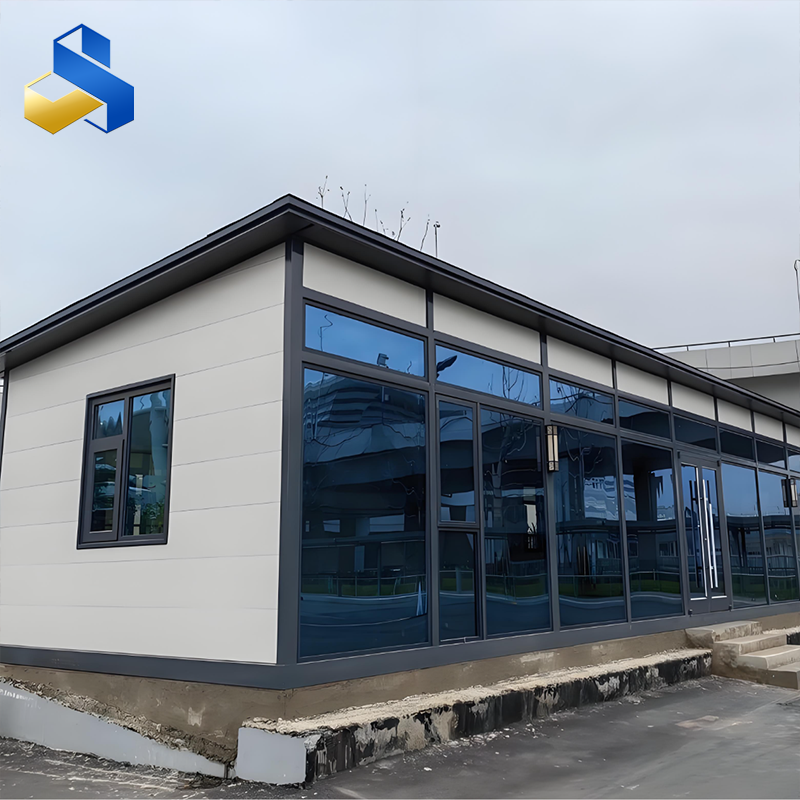
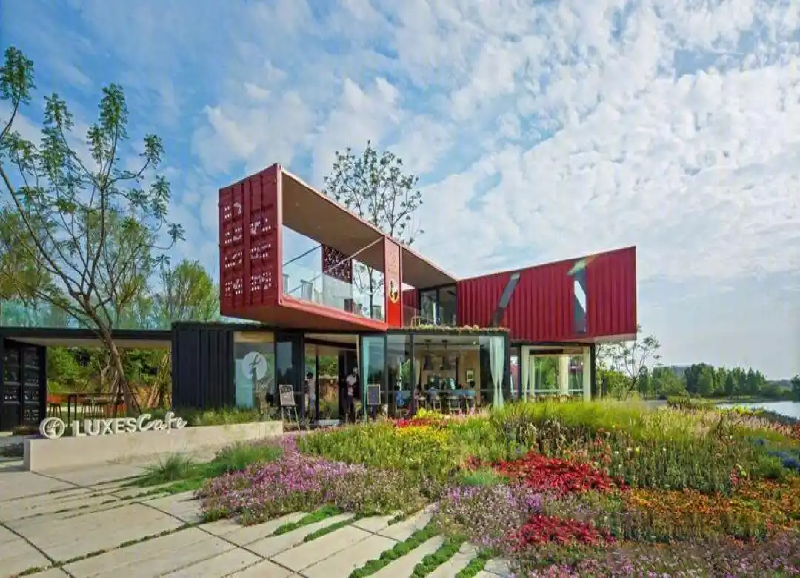
In commercial and community spaces, container houses unlock flexible, low-cost possibilities that adapt to dynamic demands. Retailers use them for eye-catching pop-up shops, cafes, or market stalls—portable enough to relocate for events or seasonal trends, yet durable enough for permanent use. Co-working spaces and small offices also benefit from their modular design, allowing businesses to expand or reconfigure spaces without major renovations. For communities, they become vital assets: affordable community centers, small schools, or healthcare clinics in underserved areas, where quick deployment and low upfront costs help bridge gaps in public infrastructure.
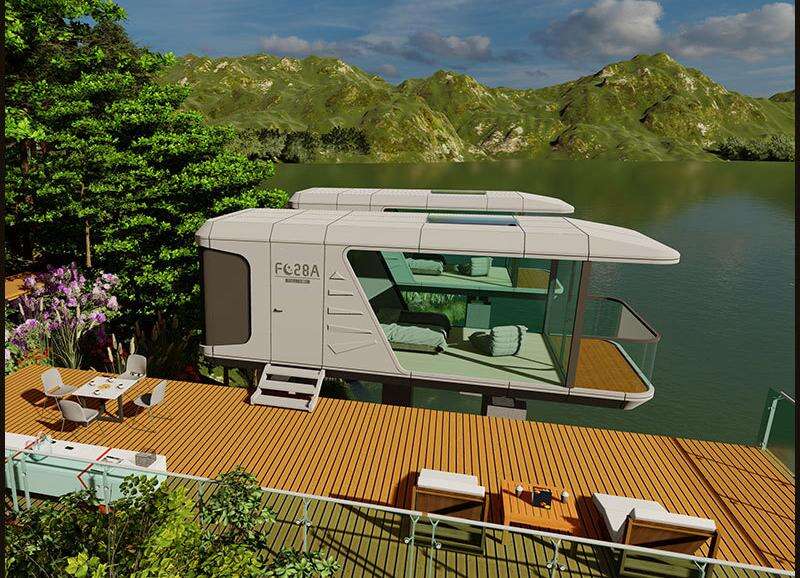
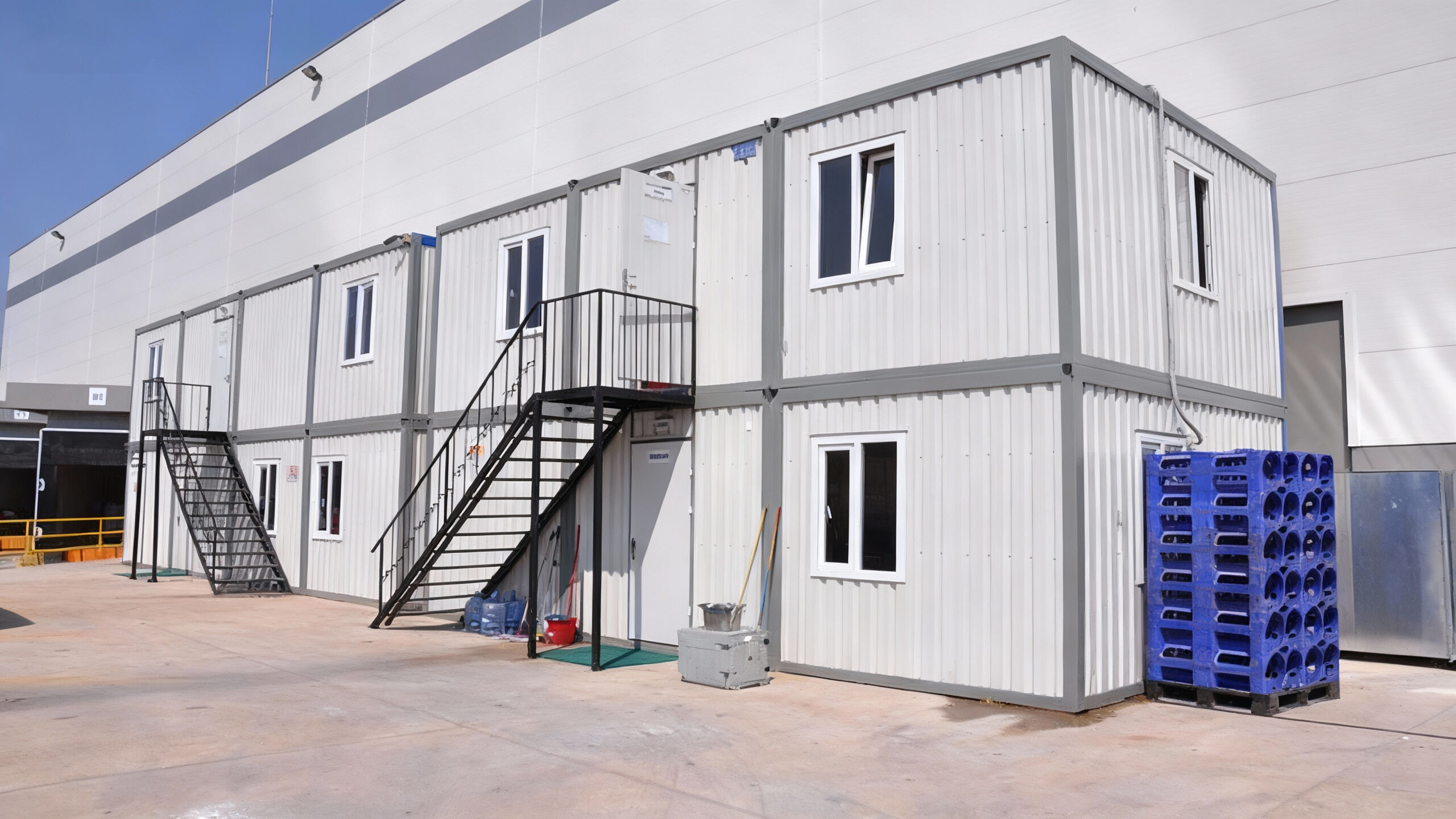
Container houses excel in emergency and remote scenarios, where durability and portability are non-negotiable. During natural disasters, they serve as immediate, weather-resistant shelters—easy to transport via truck or ship to hard-hit regions, and sturdy enough to withstand storms. In remote industries like mining or oil, they provide comfortable on-site housing for workers, eliminating the need for costly, time-consuming traditional builds in isolated areas. They also align with the off-grid living trend: their rigid structure supports solar panels, rainwater collection systems, and composting toilets, making them ideal for eco-tourism cabins, wilderness research stations, or remote work getaways.

 EN
EN