Application
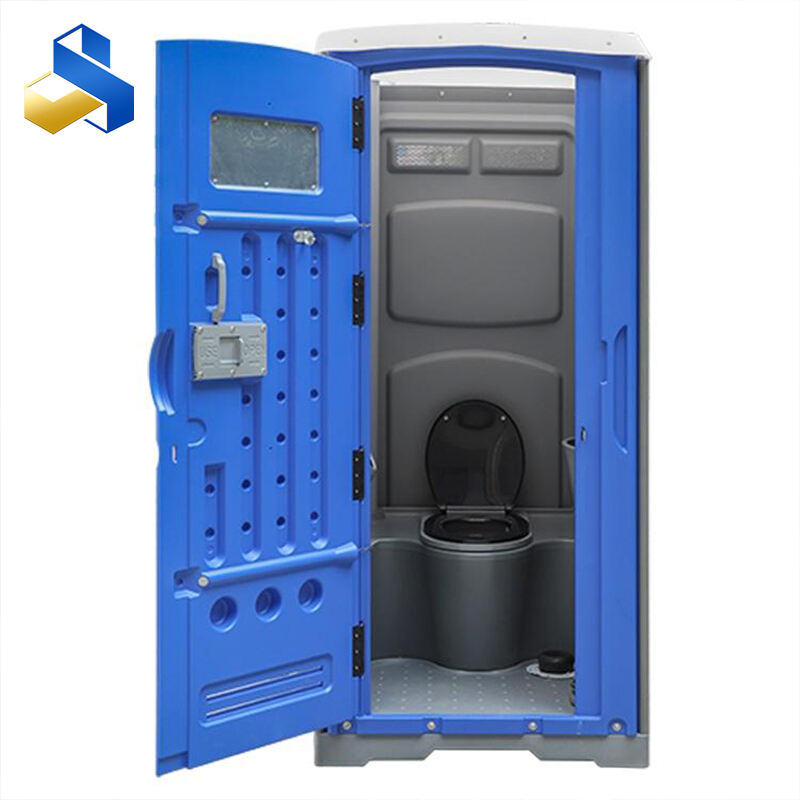
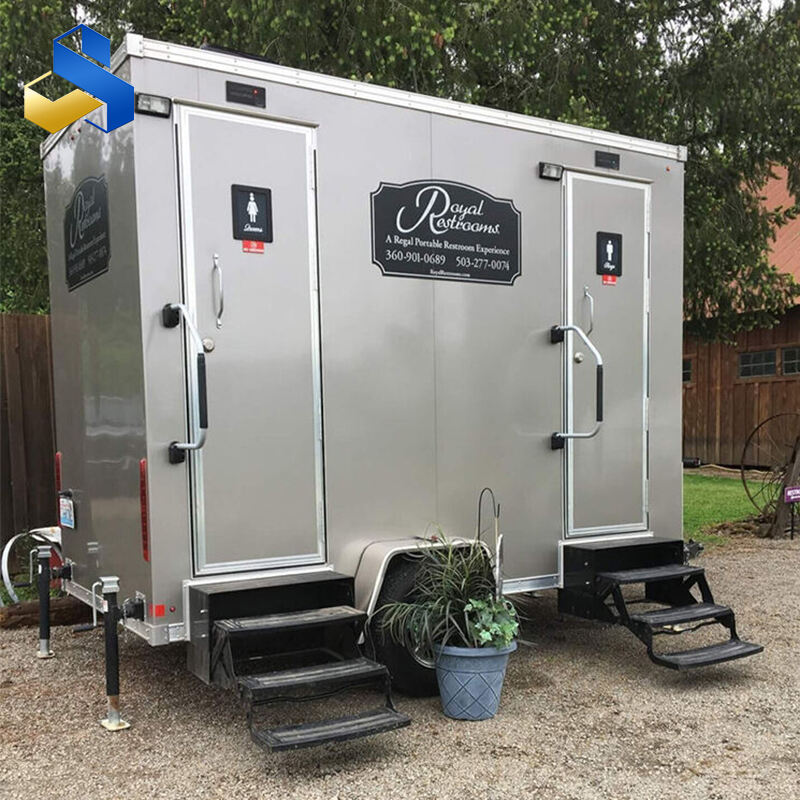
The outdoor recreation and tourism sector is a prime growth area for portable eco toilets. As camping, glamping, music festivals, and backcountry hiking gain popularity, traditional portable toilets often fail to meet modern consumers’ environmental expectations (e.g., chemical waste leakage harming natural habitats). Portable eco toilets, with features like composting systems, biodegradable waste treatment, and water conservation, align with “leave-no-trace” principles. National parks, private campgrounds, and event organizers are increasingly adopting them to enhance visitor experience while complying with strict environmental regulations—turning a hygiene necessity into a sustainability selling point.
Emergency relief and disaster response represent another critical prospect. When earthquakes, floods, or hurricanes disrupt municipal sewage systems, unsanitary waste disposal becomes a major public health risk (e.g., spreading cholera or typhoid). Portable eco toilets are lightweight, easy to transport, and require no connection to fixed infrastructure, making them ideal for rapid deployment in temporary shelters or affected communities. Relief organizations like the Red Cross or local governments are recognizing their value in minimizing disease outbreaks while avoiding long-term environmental damage from makeshift waste solutions.
Finally, portable eco toilets address a pressing need in remote, underdeveloped regions and off-grid work sites. In rural areas of developing countries where access to basic sanitation is limited (per UN data, 3.6 billion people lack safely managed sanitation), these toilets provide a low-cost, sustainable alternative to open defecation—reducing child mortality from waterborne diseases and improving gender equality (women and girls often face safety risks with unregulated sanitation). Additionally, industries like mining, oil exploration, or road construction in remote areas rely on portable eco toilets to meet worker hygiene standards without disrupting local ecosystems.

 EN
EN