Portable Toilet for Camping: Elevating Outdoor Trips with Hygiene, Convenience, and Sustainability
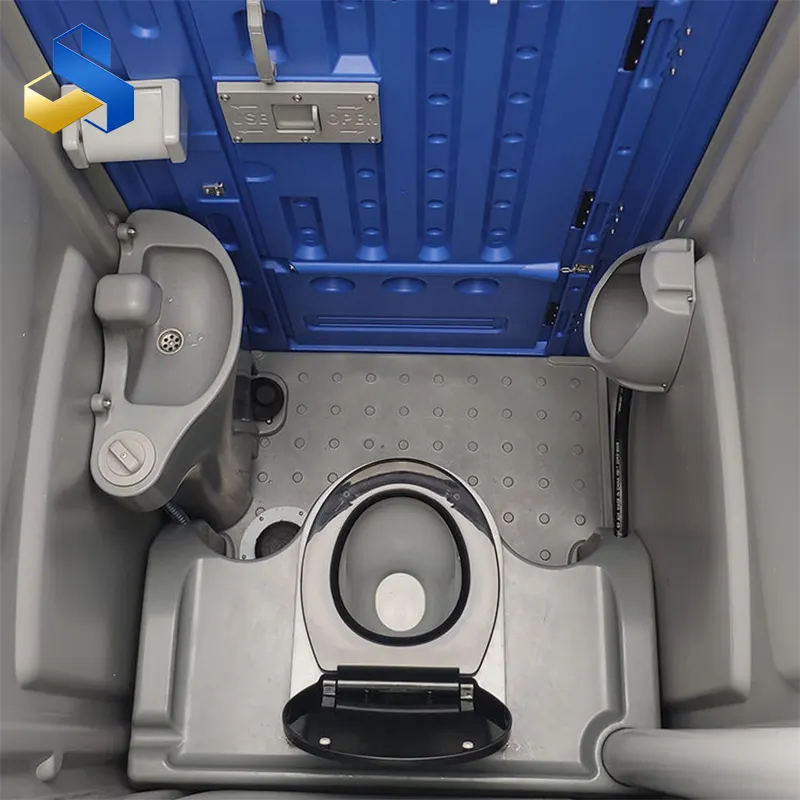
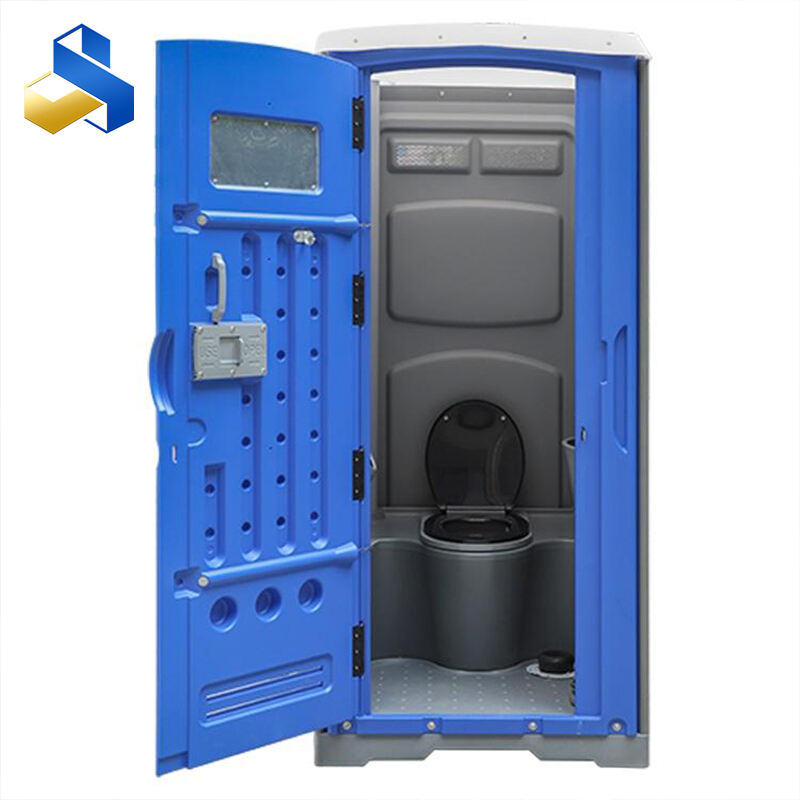
A portable toilet for camping addresses the most pressing pain point of outdoor enthusiasts: maintaining hygiene and privacy in areas without built-in facilities. Traditional camping often forces people to rely on unsanitary makeshift spots (like digging cat holes) or walk long distances to scarce, overused public restrooms—risks that include exposure to bacteria, discomfort, and loss of privacy (especially for families, seniors, or those with mobility needs). Designed for camping scenarios, these toilets feature leak-proof waste storage, odor-sealing lids, and ergonomic seats that match adult comfort; paired with a portable tent, they create a private “restroom space” even in remote forests or mountain campsites. This not only eliminates the embarrassment and health risks of outdoor toileting but also makes camping more accessible to groups that might otherwise avoid it—like families with young kids or adults recovering from injuries.
Its significance also lies in blending portability with practicality, solving the “bulk vs. utility” dilemma for campers. Unlike heavy fixed toilets, camping-specific portable models are lightweight (often 2–5kg), foldable, or modular—easy to pack in car trunks, backpacks, or camping gear storage. Many include detachable waste tanks (for easy emptying at designated sites) or compatibility with biodegradable waste bags, cutting down on cleanup time that would otherwise take away from camping activities. For multi-day trips or group camping (e.g., scout troops, friend gatherings), this means no more relying on unhygienic shared facilities or spending hours maintaining temporary solutions. The portability also adds flexibility: campers can set up the toilet anywhere—near their tent, by a hiking trail, or at a beach campsite—without being tied to fixed locations.
Finally, a portable toilet for camping plays a key role in promoting environmental responsibility, aligning with the “Leave No Trace” principles that guide ethical outdoor recreation. Digging cat holes (a common alternative) can contaminate soil and water sources, especially in popular camping areas or fragile ecosystems (like alpine meadows or coastal regions). Camping portable toilets contain waste securely, preventing leakage into the environment and allowing users to dispose of waste properly at authorized facilities (e.g., campground dump stations). Many models are also made from recyclable or durable materials that reduce single-use plastic waste, further minimizing environmental impact. For eco-conscious campers—an increasingly large demographic—this means enjoying the outdoors without harming it, turning a basic necessity into a tool for sustainable camping.

 EN
EN