Portable Toilet Tent: Versatile Application Prospects for Privacy and Hygiene On-the-Go
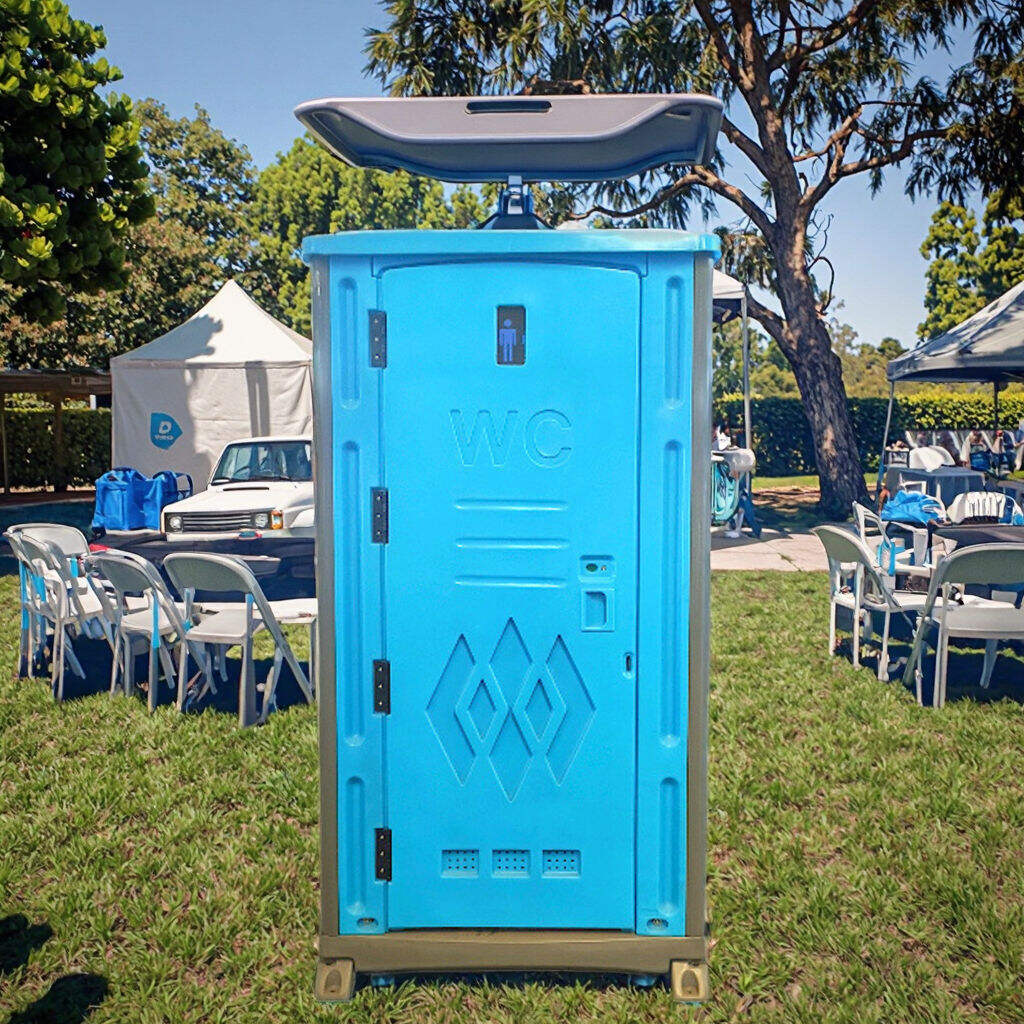
The outdoor recreation sector stands as the core application area for portable toilet tents, addressing a longstanding pain point for outdoor enthusiasts. For campers, hikers, and backpackers venturing into remote areas with no built-in restroom facilities, these tents provide a lightweight, easy-to-setup solution that preserves privacy and reduces environmental impact (by pairing with portable toilets or waste bags). They also shine at large outdoor events like music festivals, beach gatherings, or family picnics—where public restrooms are often overcrowded, unsanitary, or nonexistent. Families with young children or elderly members, in particular, benefit from the comfort and safety of a dedicated, enclosed space, making outdoor trips more accessible and stress-free.
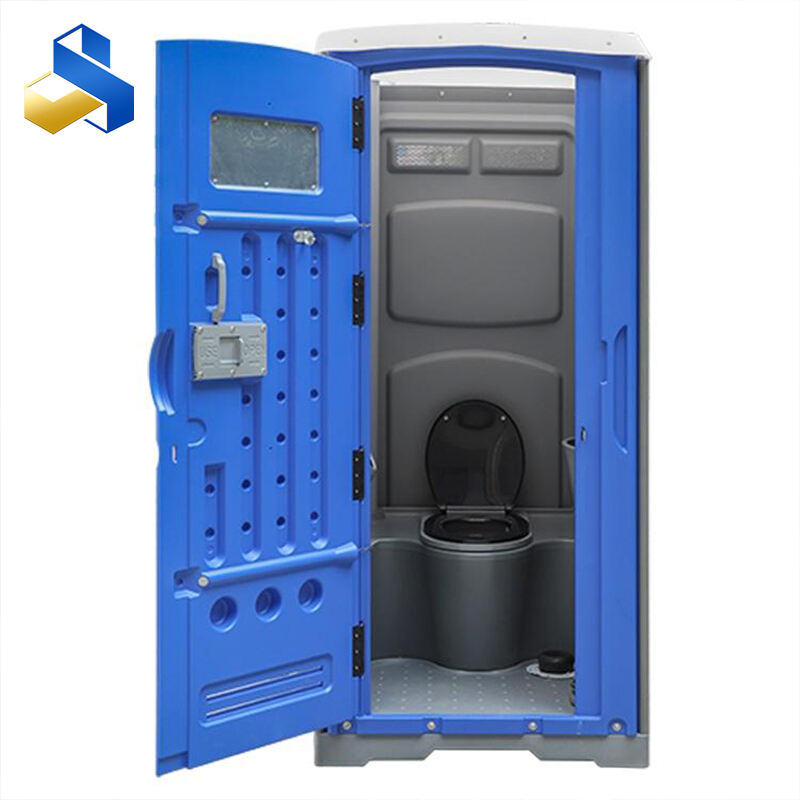
Portable toilet tents are equally indispensable in emergency and temporary relief scenarios, where infrastructure failure or sudden demand disrupts access to hygienic restrooms. During natural disasters (e.g., floods, earthquakes, wildfires), displaced communities and rescue teams rely on these tents to maintain basic sanitation, preventing the spread of disease in shelters or temporary camps. They also serve critical roles at construction sites, remote work locations (such as oil fields or forestry operations), and community relief drives—providing workers and volunteers with a private, clean space that adheres to health standards. Unlike permanent structures, their portability allows for rapid deployment, making them a key asset for organizations like Red Cross chapters or local governments responding to crises.
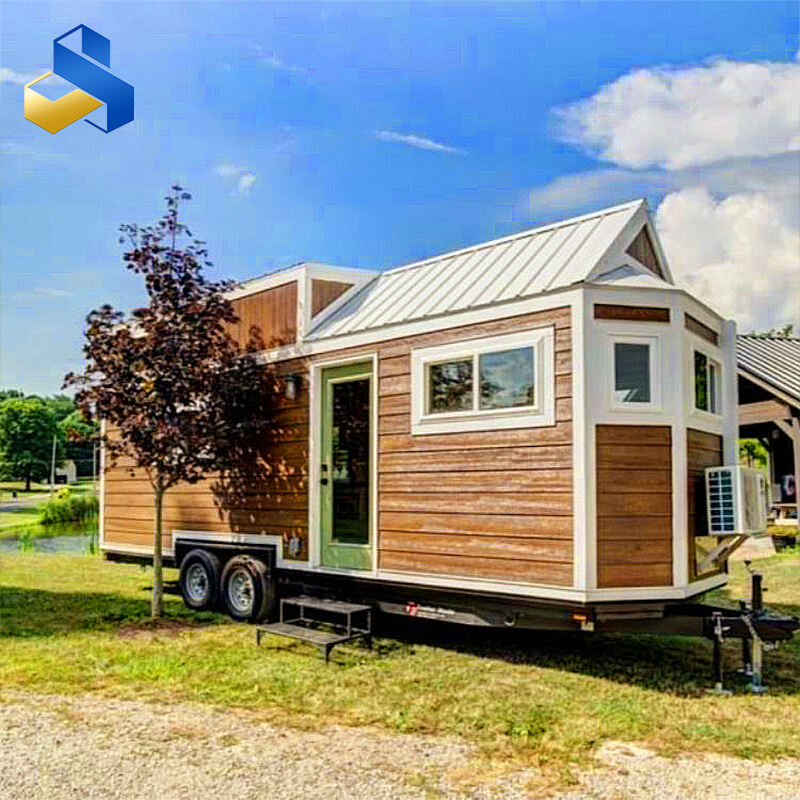
Finally, the RV and overlanding community, plus backyard events, represent a fast-growing application prospect. RV travelers often park in areas without hookups or designated restrooms; a portable toilet tent adds an extra layer of privacy (beyond RV interiors) and flexibility to their journeys. Overlanders—who explore off-grid locations—rely on compact, durable models to complement their self-sufficient setups. Additionally, homeowners hosting backyard weddings, neighborhood barbecues, or children’s parties use these tents to supplement indoor restrooms, ensuring guests (especially those with mobility needs) have easy access to a private space. Their foldable design and minimal storage requirements make them a practical addition for anyone seeking to enhance comfort in non-traditional settings.

 EN
EN