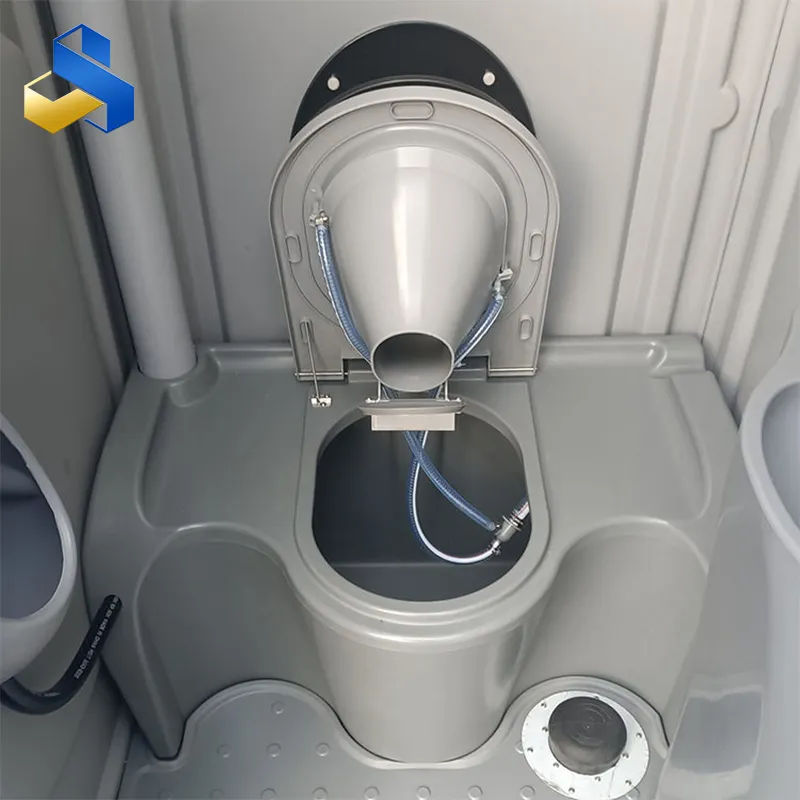
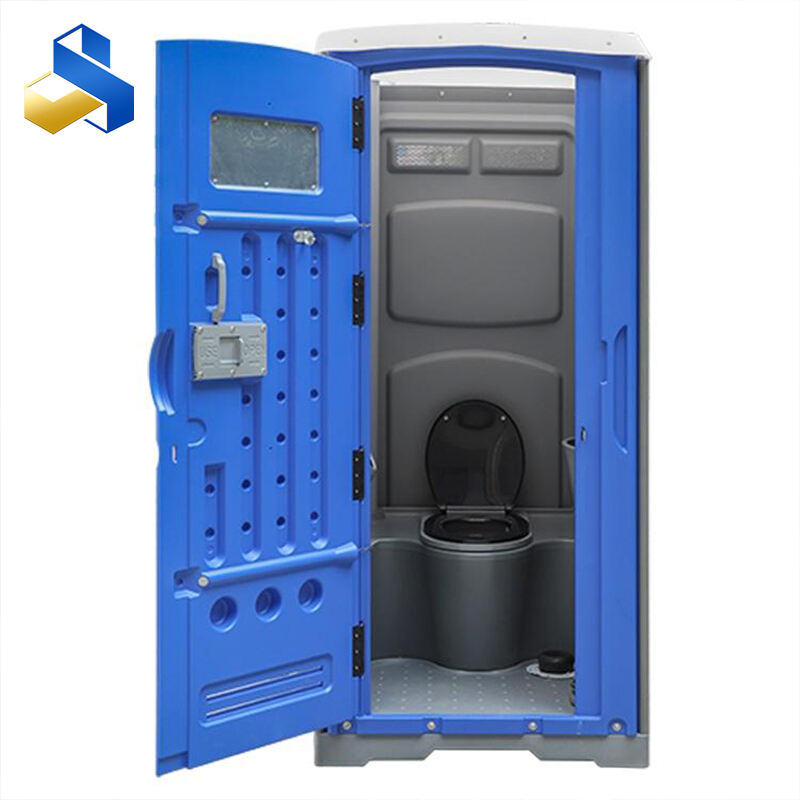
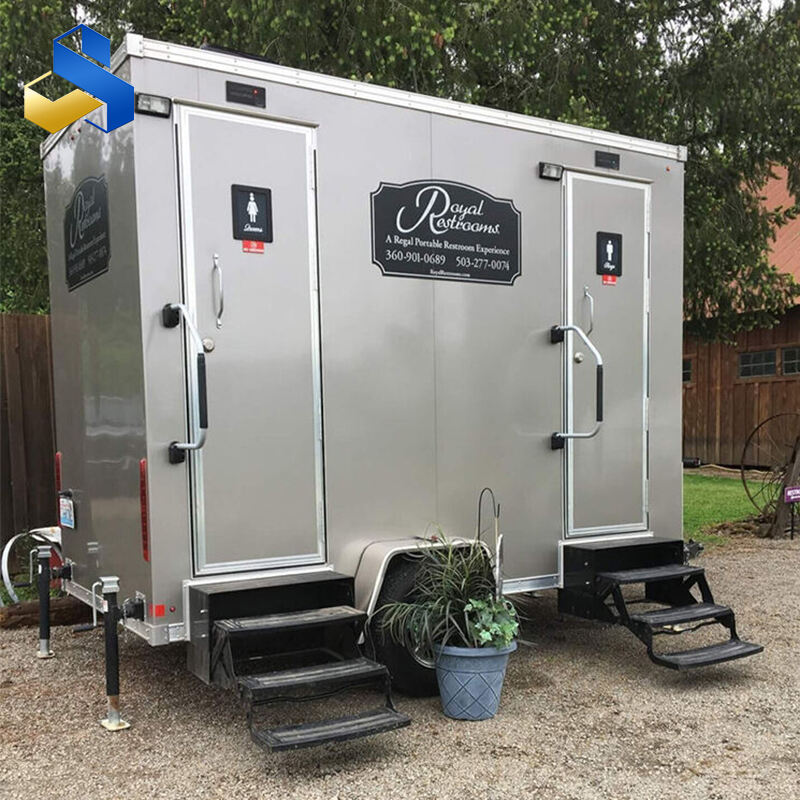
Portable Toilet: A Versatile Lifeline for Hygiene, Dignity, and Practicality
The core significance of a portable toilet lies in its ability to eliminate the "no restroom" dilemma across countless daily and recreational scenarios, safeguarding hygiene and privacy where traditional facilities are missing. For outdoor enthusiasts—campers, hikers, or RV travelers— it replaces unsanitary makeshift solutions (like digging cat holes) or long, risky walks to distant public restrooms, turning remote trips into comfortable, stress-free experiences. For urban dwellers, it acts as a critical backup during home bathroom renovations, road trips stuck in traffic, or small backyard events (e.g., barbecues, kids’ parties) where indoor toilets are overburdened. Unlike fixed restrooms, its portability means it adapts to user needs, not the other way around—ensuring no one has to compromise on cleanliness or privacy, no matter the setting.
Beyond convenience, portable toilets hold profound significance for supporting vulnerable groups and upholding dignity. For the elderly, individuals with mobility impairments, or post-surgery patients, traditional toilets (often too high, requiring long walks, or lacking safety features) pose fall risks or discomfort. Portable models—many with adjustable heights, non-slip bases, and easy-to-clean designs—can be placed right beside beds or living areas, reducing reliance on caregivers for bathroom trips and restoring independence. They also serve as a lifeline for people with chronic conditions who need frequent restroom access while traveling, eliminating the anxiety of finding accessible facilities. In short, portable toilets turn a basic necessity into a tool for dignity, making daily life and travel inclusive for all.
In emergency and environmental contexts, the significance of portable toilets becomes even more critical: they are a public health and sustainability asset. During natural disasters (floods, earthquakes, wildfires) or large-scale crises that disrupt infrastructure, displaced communities and rescue teams rely on them to contain waste, preventing the spread of waterborne diseases (like cholera) in temporary shelters— a role that saves lives. Additionally, modern portable toilets align with eco-friendly practices: many use leak-proof, reusable waste tanks (reducing single-use plastic) or are compatible with biodegradable waste bags, supporting "Leave No Trace" principles in outdoor spaces and minimizing environmental harm. This blend of emergency utility and sustainability makes portable toilets not just a convenience, but a responsible choice for both people and the planet.

 EN
EN