
 EN
EN
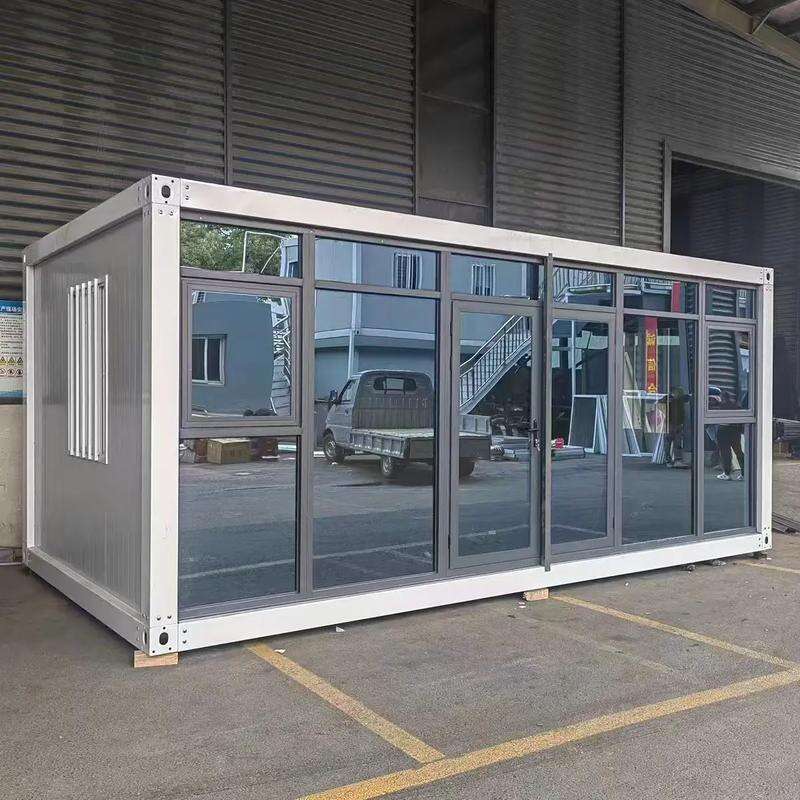
Разумевање оквира код пожара за префабриковане модуларне куће
Правила за заштиту од пожара за префабриковане модуларне куће су сасвим другачија у поређењу са обичним кућама изграђеним на локацији, и захтевају специфичне материјале да би испунили ове стандарде. Ове префабриковане јединице морају да се придржавају не само локалних прописа већ и међународних, као што је Међународни код грађевине (ИБЦ). ИБЦ заправо захтева да се одређени делови конструкције израде од несгорелих материјала. Ствари постају још теже када погледамо различите регије. Узмите Калифорнију, на пример, где њихов код за интерфејс дивљине и градова захтева да су кровови класификовани као А класа и да су проветривања отпорна на угаљ. У међувремену, поглавље 31 ИБЦ-а подстиче на подељење са зидовима са оганним рејтингом. Ако се ово погреши, то би значило да ће се потрошити између 150 и 300 хиљада долара на редизајн, према подацима НФПА од 2023. године. Куће које се сакупљају у фабрици суочавају се и са другом препреком. Пре испоруке тих модула, треће стране морају строго да провере нешто као што су огањотпорне спољашње и унутрашње завршне делове третиране против пламена. Сви ови слојеви прописа помажу да се зграде буду безбедне током транспорта, подизања на темеље и стварних животних ситуација унутар њих. Али искрено, све ово доводи до прилично строгих ограничења за дизајнере који раде у оквиру ових оквира.
Највиши код за отпорне материјале за модуларну изградњу
Усаглашавање стандарда за пожаробедност у модуларним кућама захтева стратешки избор материјала потврђен ригорозним протоколима тестирања. У овом одељку се разматрају кључна решења која су доказана да штите животе и објекте, уз осигурање усаглашености са националним кодексима.
Непаливи зидни склопови и композитни панели (АСТМ Е136, Е119)
Челични оквири у комбинацији са сржма минералне вуне чине неке од најбољих непаливих модуларних грађевинских материјала који су данас доступни, способни да издржавају ватру до четири сата. Када се тестирају према АСТМ Е119 стандардима који се тичу тога колико добро конструкције издржавају када су изложене пламену, ови системи одржавају температуре испод 325 степени Фаренхајта на странама које нису директно уочене у ватру. Још једна опција која вреди разматрати су композитни панели направљени од магнезијум оксида или кратко MgO. Они превазилазе обичну шперплочу на неколико начина, смањујући ширење пламена за око 80 одсто и још увек издржећи влажне услове, према истраживању Националног института за грађевинске науке из 2023. године. Шта чини ове зидове које се могу запалити тако вредним? У основи они делују као баријере које спречавају да се ватра шири између различитих делова зграде и помажу у одржавању структурне интегритета управо када је људима потребно време да безбедно изађу.
Грип који је одмара огањ, интумесентни премази и изолација од минералне вуне
Када се гипсна плоча типа Х појача стакленим влакнама, она пружа око сат времена заштите од пожара за плафоне и зидове. Ова заштита постаје још боља када се комбинује са тим посебним интумесентним премазима. Оно што се дешава је прилично занимљиво - ове премазе почињу да се шире када достигну око 212 степени Фаренхајта, формирајући заштитни слој угља који купује додатно време пре него што челичне граде одустају, негде између 45 и можда 60 минута у зависности од услова. У скривеним подручјима где не можемо да видимо шта се дешава, изолација минералне вуне на бази камена издржава се изненађујуће добро чак и преко 2000 степени Фаренхајта, што побеђује већину опција пене. Истраживања су открила да комбиновање свих ових огањотпорних материјала смањује топлоту која се креће кроз конструкције за око 72 посто. Таква перформанса чини велику разлику када градитељи морају да се сложе са тим сложеним НФПА 285 стандардима за начин на који се пожари шире вертикално у вишеподножним модуларним зградама.
Изворне компоненте које не могу да се запале: крове, странице, стакленице и подножје
Клас А покрива (УЛ 790), неогорљиви метални обод и НФПА 257 огански стакленио
Спољашњи делови куће су заиста прва ствар која стоји између опасности од пожара и префабрикованих модуларних кућа. Кровени материјали класификовани као Клас А према UL 790 стандардима пружају врхунску заштиту од пожара. Ови материјали спречавају пролазак угаља и могу да се носе са директним пламеном без да се предају. Метални обод који је направљен од несгорелих материјала као што су челик или алуминијум једноставно неће лако ухватити ватру и успорава брзину ширења пламена дуж зидова. Прозори са оганским степеном у складу са стандардима НФПА 257 остају непокренени током пожара, али и даље омогућавају људима да виде напољу. Композитне палубе које су третиране огањом смањују шансе да се запалим од летећих угаља о којима сви чујемо. Када градитељи правилно споју све ове делове, они стварају чврст штит који штити дом. Овакав интегрисани заштитни систем је прилично потребан ако модулне куће желе да испуне тренутне прописе о предпадној безбедности. И не заборавите сертификате треће стране које потврђују тврдње произвођача о томе да њихови материјали добро функционишу у условима пожара за грађевинске законе.
Сертификација, документација и преглед плана за прихватање кода
Добивање одговарајућег сертификата и одржавање добрих записа апсолутно је неопходно када се ради о добијању материјала који се не могу запалити и који се одобравају за употребу у префабрикованим кућама. Ако се не ухвати у документарне послове или их не заврши, пројекти се кашње и коштају. Чак и материјали високог квалитета неће проћи инспекцију ако нису потврђени од стране независних трећих страна заједно са јасним упутствима о томе како их треба инсталирати. Документација показује да градитељи следе правила о пожарној безбедности посебно за модуларне зграде. Ово укључује ствари као што су зидови направљени од материјала који се не горе лако и унутрашње површине третиране да буду отпорне на пламен.
Оцене треће стране (ICC-ES, UL, FM Global) и захтеви за поднесу
Независне процене организација као што су ICC Evaluation Service (ICC-ES), Underwriters Laboratories (UL) и FM Global потврђују перформансе материјала према стандардима као што су ASTM E136 (непопаљивост) и ASTM E119 (одржавање на ватру). Пакети за подношење морају да укључују:
- Извештаји о евалуацији треће стране
- Листи са подацима о производу који потврђују категорије за ватру
- Упутства за инсталацију која се односе на затварање споја и проникнућа
- Пројектни прорачуни за носеће збирке за ватроснаге
Добра документација чини цео процес прегледа плана много глаткијим, смањујући оне збуњујуће ситуације које касније воде до проблема са усклађеношћу. Узмите изолацију минералне вуне или интумесентне премазе као само један пример где јасно спецификације о захтевима за тестирање могу заиста убрзати ствари током фазе одобрења. Када тимови подносе све што им је потребно од самог почетка, студије показују да се за трећину мање времена траје на чекање прегледа у поређењу са некомплетним документима. То значи да се дозволе за поседу добијају пре него касније, што штеди новац на дугом плану јер нико не жели да се бави скупим ретрофитма или да се суочи са правним питањима због неправилно инсталираних огањотпорних материјала или структурних компоненти које не испуњавају код.
Често постављене питања
Шта је Међународни код за изградњу (ИБЦ)?
Међународни код грађевине (ИБЦ) је скуп кодова који пружају минималне стандарде за безбедност зграде, укључујући и заштиту од пожара. Она оцртава захтеве за различите компоненте зграде како би се осигурала безбедност и трајност.
Зашто је потребна оцена треће стране за префабриковане модуларне куће?
Потребне су процене треће стране како би се осигурало да материјали који се користе испуњавају специфичне стандарде отпорности на ватру и да су у складу са локалним и међународним грађевинским законима, што помаже одржавању безбедности током и након изградње.
Који се материјали препоручују за отпорност на ватру у модуларним кућама?
Препоручени материјали укључују челичне оквире са сржом минералне вуне, композитне плоче направљене од магнезијумског оксида, гипс који опорава пламен, интумесентне премазе и изолацију минералне вуне, између осталог.
Како делују интумесентни премази?
Унутрашљи премази се шире када су изложени високим температурама, формирајући слој угља који пружа додатно време одлагањем проникњавања топлоте у основне материјале.
Шта је покривни материјал класе А?
Клас А покривни материјали, оцењени према UL 790 стандардима, пружају максимални ниво заштите од пожара спречавањем запаљења покрива и омогућавајући му да издржи директне пламене без неуспеха.