
 EN
EN
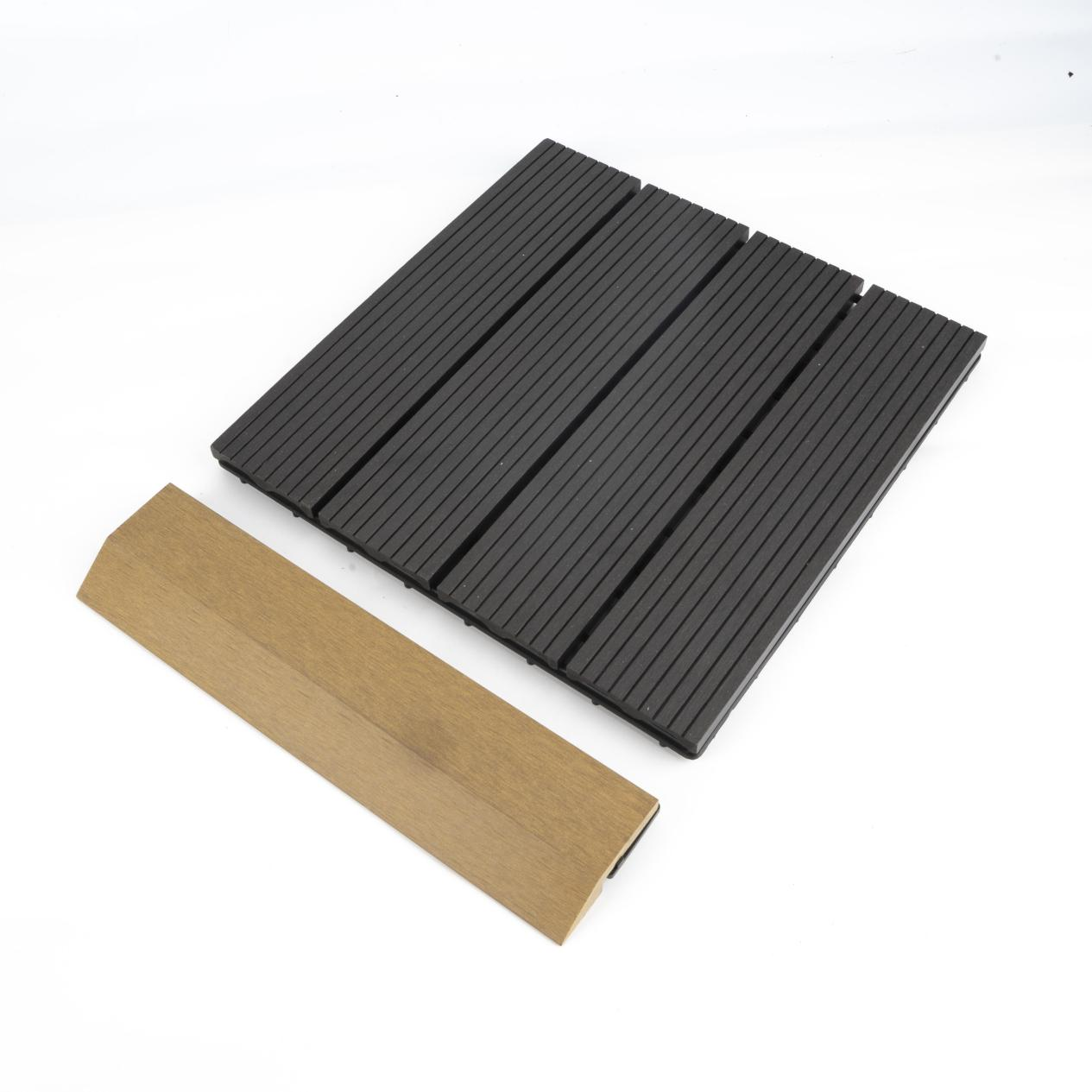
Several changes are taking place in the construction industry. For the longest time, the material options that construction companies had to choose from when building a site included concrete, wood, brick, or steel. Although these materials are reliable, the industry is now prioritizing building materials that are more efficient, environmentally safe, sustainable, and resilient. Innovation today is not just about new concrete formulas; it's about rethinking entire building systems from the ground up. Modern building material systems are being designed to be more intelligent and sustainable. This allows architects, builders, developers, and homeowners to utilize a new generation of construction products that perform better and pose a much lower threat to the environment.
Companies like Gouyu, which focus on innovative prefabricated structures, are at the forefront of this shift. Their work on systems like interlocking flat pack and expandable units moves beyond traditional single use materials, offering completely assembled solutions. These systems deliver the environmental benefits of eco conscious design while providing the durability and performance that modern construction demands.
Built for Strength and Longevity
The most basic requirement of any structure is strength. Modern building system innovations meet this demand not by simply using thicker materials, but through intelligent engineering. Take the core concept behind steel framed container based structures. High tensile, galvanized steel provides an incredible frame that far outperforms many traditional materials in key areas.
This engineered strength translates into amazing longevity. These structures are designed to endure extreme heavy loads, high winds, heavy snow, and even seismic activity. A key factor here is precision factory manufacturing. Every component is cut, welded, and treated in a controlled environment, ensuring consistent, high quality results. This process is designed to eliminate the weak points typical in traditional on site construction. The result is a high quality building material system built to last, making it a trusted choice for everything from permanent family homes to vital disaster relief housing.
The Green Advantage: Eco Conscious by Design
Real advancement in the building world involves the adoption of genuinely eco friendly practices. The next generation of building materials is assessed based on their impact throughout a building's entire lifecycle, from production to final disposal.
Prefabricated systems excel here by maximizing material efficiency. There is significantly less waste because components are precision cut in a factory, not on a messy job site. This controlled fabrication process ensures materials are used accurately and efficiently. Furthermore, these systems often incorporate sustainable principles right from the start. Steel, a common component, is highly recyclable, and many manufacturers use significant recycled content. The design of flat pack and expandable homes also minimizes transportation impact, as more building volume can be shipped in a single trip. This focus on energy saving and environmental protection represents a holistic, responsible approach to building.
Sustainable Practices from Production to Site
Sustainability extends beyond the raw materials to include the entire building process. This is where innovative building systems provide major benefits, promoting sustainable practices through smarter methodology.
The factory based model is revolutionary. Centralized production in large facilities, like a 25, 000 square meter workshop, allows for the integration of smart production lines and automated equipment. This setup is far more energy efficient per unit produced compared to scattered, weather dependent site work. Digital management systems optimize each step, minimizing errors and material waste. This efficiency extends to logistics. With large warehousing capacity, inventory management and shipping are streamlined, getting materials to the site directly with minimal delay and fuel use. Finally, the rapid on site assembly of pre engineered parts reduces local environmental disturbance, noise pollution, and community impact compared to lengthy traditional construction. This end to end model is a more sustainable way to build.
Innovation and Smart Design: Versatility in Application
The true test of an innovative building material system is its versatility. Can it meet a wide range of needs and adapt to different visions? For modern integrated housing solutions, the answer is a strong yes. The inherent strength and modular nature of these systems unlock impressive design flexibility.
Architects and builders are no longer constrained. The technology enables the creation of anything from compact, single unit dwellings to large, multi story complexes. A completed structure can even be expanded, reconfigured, or relocated in the future, protecting the owner's investment. This smart design caters to diverse needs: it offers builders efficient processes, gives developers scalable project options, and provides individuals a path to a custom, modern home. The innovation lies in delivering a robust, versatile system that acts as a toolkit for creativity, rather than a limiting set of parts.
Conclusion: Constructing a More Intelligent Future
The journey toward stronger, greener, and more sustainable construction isn't about finding one miracle material. It's about embracing smarter, integrated systems that combine strength, eco design, and efficient processes into a seamless whole.
Choosing these innovative building material solutions means investing in more than just new walls and a roof. It is a choice for proven resilience, a lower environmental impact, and a streamlined construction process backed by professional expertise—from dedicated R&D to global support. This is the new standard: building solutions designed to perform better, last longer, and respect the environment. It is a clear, responsible, and positive choice for the future of the spaces we live and work in.