
 EN
EN
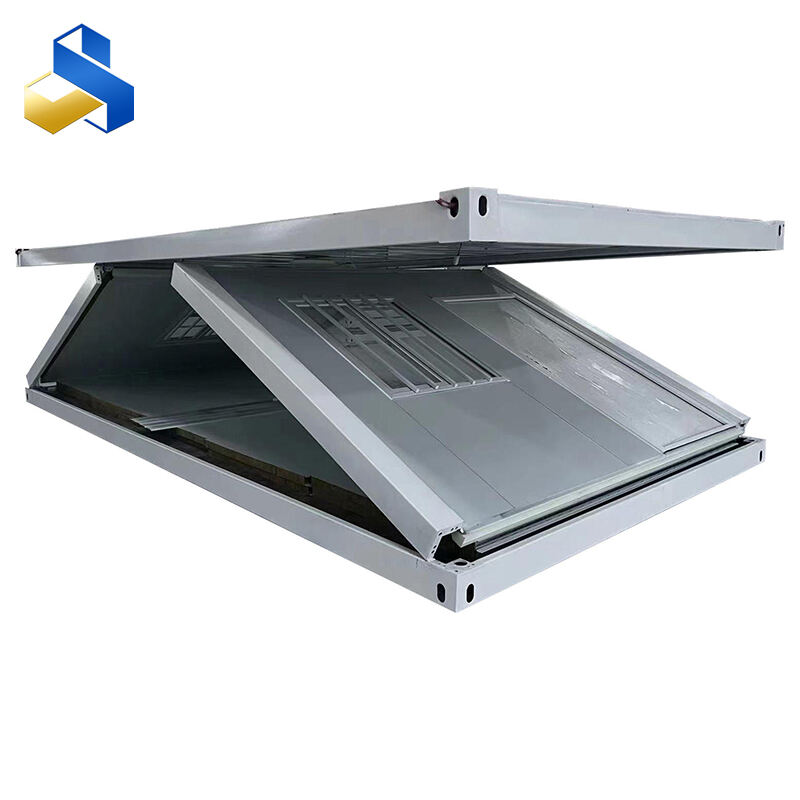
What Is a Folding Container House? Core Design and Structural Innovation
From flat-pack module to livable space: The transformation process of a folding container house
These folding container homes really change how fast we can build things. Imagine something that starts as just a bunch of flat packed boxes and turns into a complete house ready for rain and wind within a day. Traditional buildings take weeks to construct while these can be shipped much smaller too since they compress down by around three quarters. That cuts down on transport bills quite a bit and makes it possible to get housing solutions to places where roads are bad or there's no proper infrastructure nearby. When these containers arrive on site, special hydraulics and mechanics pop out the walls and roof until everything locks into place as solid structure. The whole thing stands up because of those heavy duty steel frames and carefully designed connections between parts. And best part? The insulation is already sealed in factories so once everything expands, people can actually start living there right away without waiting for additional work.
Hydraulic and mechanical expansion systems enabling rapid deployment and structural stability
One person can deploy these structures because of the synchronized hydraulic pistons working together with those interlocking joints. These joints help spread out the weight properly across the corners where there are extra strong castings. The whole system can handle winds going as fast as 130 kilometers per hour even when placed on temporary ground. How? Well, they expand in two stages actually. First come the walls, followed later by the roof section. This sequence helps reduce twisting forces on the structure. Once everything unfolds, special cross bracing kicks in automatically, creating what amounts to a pretty solid framework against earthquakes. Labs have tested them too, finding that these units can take loads 2.5 times greater than regular ISO containers. That means moving them around multiple times won't affect their safety or how well they perform overall.
Unmatched Portability: Transport and Relocation Advantages of Folding Container Houses
70% smaller shipping footprint vs. standard containers”logistics efficiency backed by UNEP 2023 data
When folded into their flat pack form, these modular container homes take up around 70% less space compared to regular 40 foot shipping containers. The smaller size brings real advantages for transportation logistics. Truckloads can carry approximately three times as many units, freight bills go down substantially, and carbon emissions from sea transport drop between 40 to 60 percent according to figures from the United Nations Environment Programme's 2023 report on logistics efficiency. What's more, this compact design makes it possible to deliver housing solutions even to remote areas or places with limited access where bringing in standard housing would be either impossible or cost way too much money.
Relocate in 48 hours: No foundation demolition required for site changes
When we talk about integrated jacking systems paired with mechanical leveling, they basically get rid of those pesky concrete footings that usually tie buildings down forever. What does this mean? Well, entire structures can be moved from one location to another in just about two days flat. The units themselves come apart pretty neatly from their utility connections, then fold back into transport configuration for easy moving. Once they reach their new spot, installation happens without disturbing the ground at all, so there's no demolition debris left behind either. Land stays intact and valuable during this process, which keeps things flexible when dealing with regulations too. This kind of setup really shines for temporary purposes such as responding to disasters, filling gaps in city spaces, or providing housing for workers who only need accommodations for a limited time period. And once these modules arrive on site, hydraulic expansion gets them ready for living again in just a few short hours after unloading.
Sustainable Construction: How Folding Container Houses Reduce Environmental Impact
45% lower embodied carbon than concrete buildings”LCA findings from ETH Zurich 2022
Research from ETH Zurich back in 2022 looked at the whole life cycle of buildings and discovered something interesting about folding container houses. These structures actually produce about 45% less carbon compared to regular concrete framed buildings. Why? Well, there are several reasons behind this. First off, they make good use of quality steel that's usually taken from old shipping containers that were going to be scrapped anyway. Then we don't have all that mess of mixing and waiting for concrete to cure on site. And finally, because most of the components are made precisely in factories rather than onsite, there's just way less waste overall. When looking at each square meter of living area, these container homes need far fewer materials to build. That means less digging up resources, less energy spent processing them, and definitely less fuel burned moving stuff around country.
High recycled steel content and off-site prefabrication cut on-site waste by 65%
When manufacturing happens off site, we get much better control over what materials go where. The structural frames usually contain between 80 to 90 percent recycled steel from consumer products, and these are cut using computer numerical control machines so there's almost no need to order extra materials. Waste at the actual building location goes down about two thirds when compared with traditional methods. We avoid all sorts of mess like spilled concrete, leftover packaging stuff, and bits of scrap metal that make up roughly 30 percent of all construction waste worldwide. With everything just bolting together instead of needing wet trades, there's absolutely no waiting for things to cure, no wasted formwork, and any extra bits can be used right away somewhere else on the production floor.
Real-World Applications: Solving Urban Space Challenges with Compact Living Solutions
Tokyo case study: 12m² folding container units on underutilized rooftops for micro-housing
Tokyo faces serious space issues with limited land and sky-high rent prices. Folding container houses are changing the game by making use of vertical spaces that were once ignored. Over the past year and a half, developers installed around 200 prefabricated units measuring about 12 square meters each on empty rooftops throughout downtown areas. These tiny homes now provide affordable living options for people who work essential jobs. The containers can be set up in less than two days thanks to built-in hydraulic systems. Best part? They don't need any changes to the buildings they sit on top of, and come ready with all necessary utilities including solar panels and good insulation materials. Compared to regular rooftop expansions, these modular solutions take up 65% less space while cutting down on monthly bills by roughly 40%. What makes this approach really interesting is that it shows how we can grow cities without eating into precious ground space or forcing anyone out of their homes.
FAQs
What is a folding container house?
A folding container house is a modular structure that transforms from flat-packed boxes into livable spaces using hydraulic and mechanical expansion systems. It is designed for quick deployment and portability.
How are folding container houses transported?
Folding container houses are transported in their flat-pack form, significantly reducing shipping space. They take up around 70% less space compared to standard containers, which makes them more efficient for transport logistics.
What are the environmental benefits of using folding container houses?
Folding container houses offer several environmental benefits, including 45% lower embodied carbon compared to concrete buildings and reduced on-site waste by 65% due to high recycled steel content and off-site prefabrication.
Can folding container houses withstand extreme weather conditions?
Yes, folding container houses are engineered to handle extreme weather conditions and can resist winds up to 130 kilometers per hour. They also deploy special cross bracing for additional structural stability against earthquakes.
Table of Contents
- What Is a Folding Container House? Core Design and Structural Innovation
- Unmatched Portability: Transport and Relocation Advantages of Folding Container Houses
- Sustainable Construction: How Folding Container Houses Reduce Environmental Impact
- Real-World Applications: Solving Urban Space Challenges with Compact Living Solutions
- FAQs