
 EN
EN
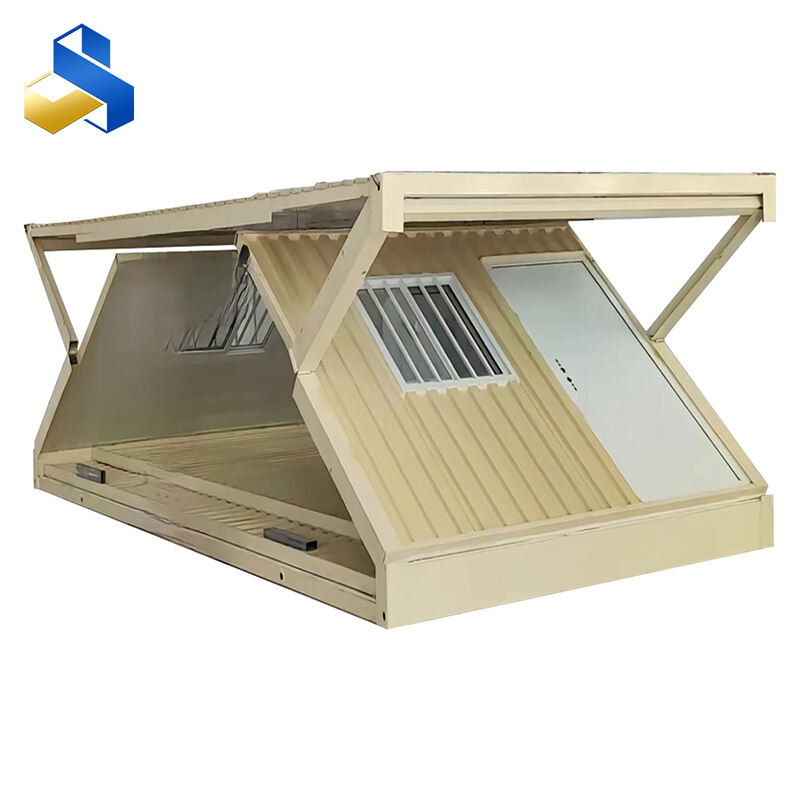
Why Choose a Folding Container House? Key Functional Benefits
Rapid Deployment for Emergency Response and Remote Operations
These folding container homes can be put together in just a few hours rather than taking weeks, which makes them really valuable when there's an emergency situation, out at mining sites far from civilization, or setting up temporary clinics after disasters strike. The way these containers are designed allows workers to assemble everything right there on location without needing big equipment like cranes or excavators. People actually get the whole place ready to live in by the end of one day's work. According to industry data, this kind of setup cuts down preparation time by around three quarters compared to regular prefabricated buildings. That means faster help arrives where it's needed most, and businesses don't lose money waiting for construction crews to finish their job site by site.
Transport Efficiency: Lower Logistics Costs and Reduced Carbon Footprint
Putting eight folded units inside one standard shipping container cuts down on freight expenses by around 60%, plus it knocks about 3.2 metric tons off carbon emissions for each shipment according to what we're seeing in the shipping industry these days. The space saving means fewer trucks hitting the road, which burns less fuel overall. That helps companies meet those ESG targets they all talk about nowadays while actually saving money at the same time. Take remote Australian mines for instance. One operation saved roughly $740,000 every year on logistics costs after switching to this approach. Makes sense when you think about how much waste gets eliminated from transportation alone.
Design Flexibility and Customization of Folding Container Houses
Modular Expansion Systems: Scaling Space with Fold-Out Configurations
The clever fold out mechanism allows people to transform those small transport containers into spaces that are more than twice their original size in just a few minutes flat. These aren't your regular fixed buildings though. The system actually unfolds walls and extends roofs right where needed, all without having to tear anything apart first. Most manufacturers stick with standard ISO corner fittings for connections between different parts. This makes sure everything locks together securely every time, which means companies can build anything from basic one room shelters right up to full blown complexes with multiple connected units. According to recent research in modular building methods last year, this kind of design cuts down on base costs around 40 percent compared to traditional approaches. What's really handy is how easy it is to change things seasonally too. Just flip a switch and turn office space into accommodation during holidays, or pop on extra sections for temporary shops when business picks up locally. No need for expensive modifications whatsoever.
Smart and Sustainable Integration: Solar-Ready Roofs and IoT-Enabled Controls
Today's folding container homes are designed to last longer and work better together. The roof structures have extra reinforcement so they can handle solar panels rated at around 500 watts per square meter, which makes going completely off grid possible. Builders already include all the necessary wiring channels and attachment spots when constructing these units, making it much easier to install photovoltaic systems later on. Inside, there are smart sensors that keep track of temperature changes, detect intrusions, and measure how much power is being used throughout the day. These devices connect directly to smartphone applications, allowing occupants to adjust settings from anywhere in the world. According to recent studies conducted in various field conditions, similar setups cut down wasted electricity consumption by approximately one third compared to traditional portable housing solutions. When paired with environmentally friendly materials like reclaimed steel exteriors and windows that minimize heat transfer, these modular structures become genuine candidates for zero carbon footprint living spaces. They find particular usefulness in areas affected by natural disasters, scientific expeditions needing temporary accommodations, or communities focused on sustainable development practices.
Structural Integrity and Kinematic Engineering in Folding Container Houses
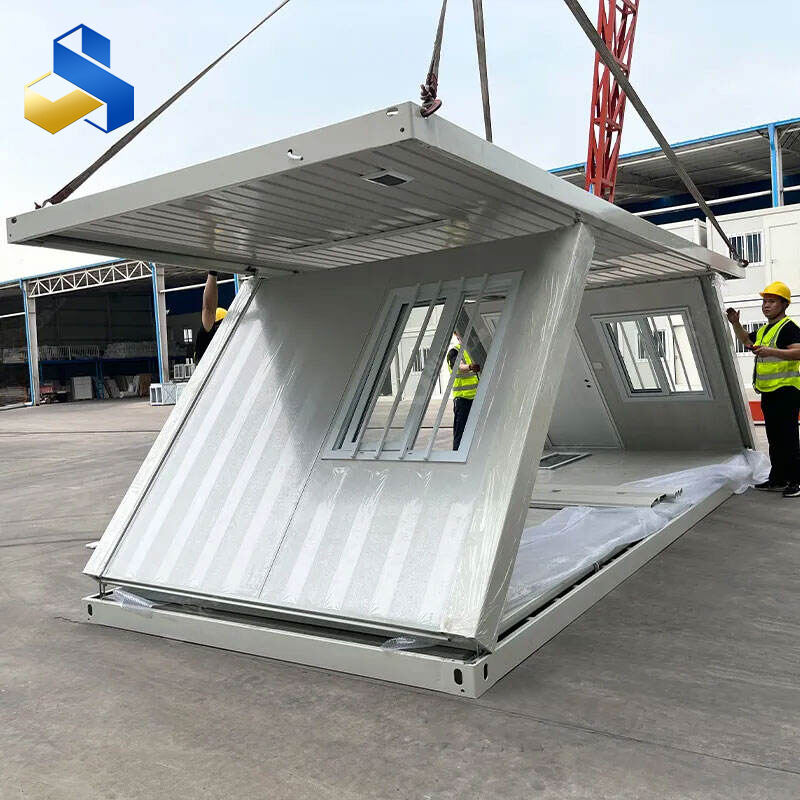
Hinge Architecture, Load Redistribution, and ASTM/ISO Compliance for 500+ Folding Cycles
The reliability of these mechanical systems really comes down to those precision hinged joints and the reinforced corners where everything connects. Our stainless steel hinges resist corrosion and have been put through over 500 folding tests while still keeping their watertight seal properties intact. These numbers actually beat what ASTM and ISO require for moving parts in structural applications. When it comes to handling weight distribution, we've built in truss systems that direct downward pressure when stacked, which helps prevent wear and tear on vulnerable spots. Independent testing has shown these units stay stable even in harsh environments. Think about wind speeds reaching 120 mph as per ISO standards from 2023. Safety remains consistent no matter how many times they get deployed and taken down again.
Proven Durability: Weather Resistance and Climate-Specific Performance
Container homes designed to fold are constructed with lasting durability in mind. The frames use high strength steel coated against rust, able to handle harsh conditions including salt air, intense sunlight, and temperature swings ranging from freezing cold at -40 degrees Fahrenheit all the way up to scorching heat around 120 degrees F. These structures meet and beat ASTM standards for wind resistance, standing up to winds blowing faster than 150 miles per hour and supporting heavy snowfall weighing approximately 40 pounds per square foot. That makes them good choices for mountain regions where snow accumulates, seaside locations battered by storms, and arid deserts facing extreme weather. For places prone to flooding, special drainage solutions help water move away quickly. Frames also incorporate breaks between materials to stop moisture buildup in areas with lots of humidity. Lab tests showed these containers kept 98 percent of their original strength even after being folded open and closed over 500 times during simulated desert sandstorms. Such results prove these modular homes can reliably perform well no matter what kind of environment they find themselves in.
FAQ
What are the main advantages of folding container houses?
Folding container houses offer rapid deployment, transport efficiency, design flexibility, smart integration, and proven durability, making them suitable for emergency response, remote operations, and sustainable living.
How do folding container houses reduce logistical costs?
By fitting multiple foldable units inside a single shipping container, folding container houses reduce freight expenses and significantly lower carbon emissions due to minimized transportation requirements.
Are folding container houses sustainable?
Yes, they are designed to be sustainable, featuring solar-ready roofs and IoT-enabled controls, alongside using environmentally friendly materials for construction.
Can folding container houses withstand harsh weather conditions?
Absolutely, they are built to endure harsh weather conditions, including intense heat, freezing cold, high winds, heavy snowfall, and even flooding, ensuring reliability and durability.