
 EN
EN
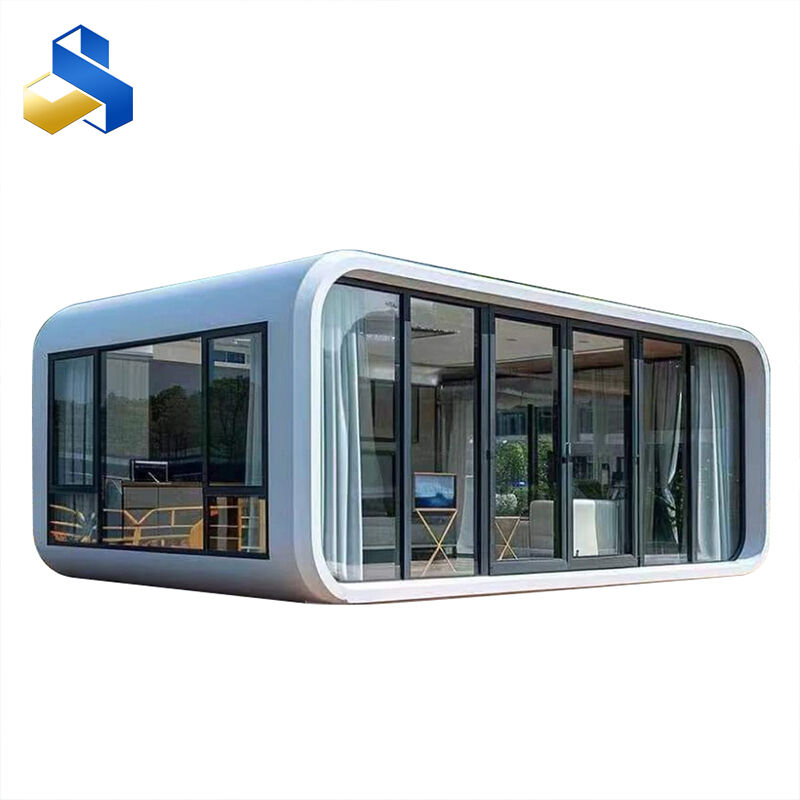
Thermal Performance & Insulation Strategies for Extreme Temperatures
EPS Sandwich Panels and Multi-Layer Insulation for Sub-Zero and Desert Climates
EPS sandwich panels have these expanded polystyrene cores stuck between steel faces and they offer pretty good thermal resistance, around R-5 per inch according to that latest Building Materials Report from 2025. Plus they work as vapor barriers too. The combination of these two functions stops condensation buildup when it gets really cold in places like the Arctic, and also helps reflect heat back out in hot desert climates. Add on some multi layer insulation stuff like aerogel blankets mixed with closed cell foam products, and these systems can get down to U values under 0.15 W/m squared K. That means interiors stay at comfortable temps even when outside temperatures swing wildly between minus 40 degrees Fahrenheit and 120 degrees Fahrenheit. For those prefab cabins built in colder regions, builders are seeing about a 38 percent drop in HVAC energy needs compared to what standard insulation materials would require.
Double-Glazed Windows with Low-E Coatings and Thermal-Break Frames
Windows with double glazing and those special low-E coatings let sunlight through but stop around 70% of the heat from getting inside. This makes them really good for controlling temperature naturally whether it's cold winters or hot summers outside. The space between the glass panes is often filled with argon gas which helps insulate better than regular air would. Frames made from polyamide material also make a difference because they prevent heat from escaping through the edges where the window meets the wall. When installed correctly, these windows can have U-values down to about 0.28. That means people stay comfortable even when temperatures swing from day to night in mountain areas. They won't get frost on the glass when it drops to minus 30 degrees either. And in places where the sun beats down hard all day long, these windows keep interiors from becoming overheated despite the intense solar radiation.
Reflective Roofing and Adaptive Vapor Barriers for Diurnal Swing Management
Aluminum-zinc alloy roofing with around 85% solar reflectance really helps keep attics cooler, which can slash cooling demands by about 40% in those super hot desert areas. These roofs work great with something called adaptive vapor barriers that change how much they let moisture through based on what's happening outside. In winter when it gets icy cold, these barriers stop damp air from getting inside buildings. But come summertime and all those rainy seasons, they allow walls to dry out properly. There are also integrated drainage systems that handle water runoff without any issues. All together, these features create a solid thermal protection system for small insulated cabins that need to function well despite wild temperature swings from one day to the next.
Structural Resilience: Corrosion, Seismic, and Wildfire Resistance
Designing for extreme environments requires coordinated mitigation of corrosion, seismic forces, and wildfire exposure. The Apple Cabin Extreme Climate Design integrates material science and structural engineering to address all three threats without compromise.
Galvanized Steel Framing and Fluorocarbon-Coated ACP Cladding for 50+ Year Durability
Galvanized steel frames offer natural protection against rust that lasts decades, making them particularly important for buildings near coasts, factories, or areas with lots of humidity. These frames can keep their strength intact for well over fifty years without needing much care. When combined with fluorocarbon coated aluminum composite panels (ACP) for the exterior, the whole building becomes resistant to sun damage, water getting inside walls, and metal surfaces turning brown. This setup cuts down on all those costly repairs that other materials would require. Structures built this way maintain both their looks and functionality even when exposed to harsh chemicals or salty air from nearby beaches.
Seismic Anchoring Systems and Fire-Rated FRP Components for High-Risk Zones
Flexible anchoring systems work wonders in places prone to earthquakes. These systems basically soak up and spread out energy from tremors through controlled movement, which helps distribute forces evenly across building frames instead of letting one spot take all the stress and fail. When it comes to fighting wildfires, engineers have turned to something called fire rated fiber reinforced polymer or FRP components. These materials step in where traditional combustibles fall short, replacing things that catch fire easily. Tests show these FRP parts can hold their shape even when temperatures climb past scorching 1000 degrees Celsius for extended periods. What makes FRP so different from regular plastics or plain old wood? Well, it doesn't warp under heat nor does it help flames spread. This means people have more time to get out safely during emergencies, and valuable property stays protected in those dangerous regions where fires tend to rage.
Moisture, UV, and Precipitation Adaptation in Apple Cabin Extreme Climate Design
Elevated Floor Systems with Sealed Joints and All-Weather Surface-Rated Decking
Raised flooring creates an air space between buildings and the earth below, which stops water from creeping up through the ground and keeps structures dry in areas prone to flooding, near coasts, under heavy rains, or where snow melts quickly. When builders seal all the connection points properly and install composite decking materials that work from freezing cold (-22°F) right up to hot summer temps (122°F), they get better results against warping, rotting wood, and damage from sun exposure. The little vents running underneath help prevent dampness buildup too. According to some research published last year by Outdoor Hospitality folks, cabins built this way avoid about two thirds of the problems caused by excess moisture that plague older construction methods.
UV-Stabilized Sealants, Drainage-Optimized Flashing, and Condensation-Tolerant Wall Assemblies
Modern wall systems now include special UV resistant sealants that stay flexible even after years in direct sunlight. These are paired with carefully designed flashing components that actually work better at directing rainwater away from problem areas such as where roofs meet walls or around windows. Inside the wall cavity behind the exterior finish, breathable membranes combined with mineral wool insulation form spaces that handle moisture naturally without reducing thermal performance. Aluminum composite panels on the outside offer extra protection against both UV damage and strong winds, with tests showing they can withstand gusts up to 100 miles per hour. Research from Building Science Corporation back in 2023 found that these kinds of construction methods stop about three quarters of all moisture related problems in buildings located in wetter regions. The result? Walls that stay sealed against air leaks but still let vapor escape properly, avoiding the damp issues that typically ruin building envelopes over time.
Off-Grid Integration: Solar Readiness and Water Resilience
Apple Cabin’s extreme climate design embeds off-grid capability directly into its architecture—ensuring reliable, autonomous operation where grid access is impractical or unavailable.
Solar-Integrated Flat Steel Roofs with Storm-Rated Mounting and Condensation Control
Flat steel roofs work really well with solar panels because they can handle the special mounts needed for storms where wind speeds go over 150 miles per hour. The design includes thermal breaks between the metal sheets and the solar mounting stuff, which stops condensation from forming inside. Condensation is actually a big problem in cold climates since it leads to rust and damaged insulation over time. When these roofs are combined with good quality inverters and modern lithium batteries, they can store enough power to last several days even when there's not much sunlight. This means buildings stay powered through long cloudy spells without needing to connect to the regular electricity grid, though most places still keep some backup connection just in case something goes wrong.
Rainwater Harvesting Infrastructure and Freeze-Protected Storage for Arid and Subarctic Sites
Water from rain can be turned into something we can drink thanks to dual stage filters, and those big tanks below ground stay liquid even when temps drop to minus 40 degrees because they tap into earth heat. When building in dry areas, sloping surfaces collect way more water than flat ones do, maybe around two thirds extra. And sealing all the connections properly keeps out sand and dirt during those nasty dust storms. These setups work really well for getting enough water throughout the whole year, sometimes just needing about a foot of rain annually. That makes such systems absolutely necessary for anyone wanting to build off grid cabins whether in hot deserts or cold northern territories where regular water sources aren't reliable.
FAQ
What are EPS sandwich panels used for?
EPS sandwich panels are used in construction for thermal insulation and as vapor barriers. They are effective in extreme temperatures, such as in Arctic or desert climates, for maintaining comfortable interior conditions.
What are seismic anchoring systems?
Seismic anchoring systems are used in earthquake-prone areas to absorb and distribute seismic energy across a building, minimizing damage by preventing concentrated stress on any single point.
How do solar-integrated flat steel roofs manage condensation?
These roofs incorporate thermal breaks and storm-rated mounting systems that prevent condensation and control thermal transfer, making them suitable for extreme weather conditions.