
 EN
EN
The Rise of Expandable Container House in Modern Housing
Growing Demand for Modular and Flexible Living Spaces
The combination of urban growth and rising housing costs has pushed demand for modular housing up around 72% since 2020, with expandable container houses at the forefront of this trend. These types of structures provide quick and scalable living options that make a lot of sense in big cities where expensive land prices and crowded populations make traditional housing tough to manage. Research coming out in 2024 shows these expandable designs can slash construction time by roughly half to two thirds compared to regular homes, and they typically cost anywhere from 30% to 40% less overall. What really stands out is how adaptable they are. Some start as small single rooms but can be expanded into full multi-room setups over time. This flexibility appeals especially to younger people just starting out and older folks looking to downsize without sacrificing space when needed later on.
Meeting Urban and Rural Housing Needs with Expandable Designs
Container homes can work really well in both city settings and out in the country. When space is tight in urban areas, these expandable structures go vertical instead of horizontal, turning what starts as about 320 square feet on the ground into something closer to 900 square feet once expanded. Out where there's more land but fewer resources, the fact that they can be moved around and paired with things like solar panels and rainwater collection systems makes them pretty practical for folks who don't have access to traditional housing options. According to some architects I've talked to, roughly two thirds of new rural housing developments across America are now incorporating containers somehow, which is way higher than the roughly one sixth reported back in 2019.
Adoption Trends in North America and Europe
When it comes to taking up this innovative approach, North America is way ahead of the pack, making up around 44 percent of all installations worldwide. Cities struggling with serious housing issues such as Los Angeles and Toronto have really pushed this trend forward. Across the pond in Europe, Germany and the Netherlands aren't far behind either. These countries actually see these types of homes as part of their official plans to tackle affordability problems. And then there's Sweden where the government has thrown its weight behind this movement through special tax breaks for people who adopt this solution. Since 2022 alone we've seen demand shoot up by an incredible 135%, showing just how fast things are moving in some parts of the world.
Integration with Smart Home Technologies
Today's expandable container houses are starting to include all sorts of IoT systems for managing temperature, keeping things secure, and handling energy usage. Most new builds from 2023 onward already have wiring installed for smart tech integration, with many featuring wall expansions that work through smartphone apps. The combination of these technologies really draws in people who care about sustainability. Smart systems typically cut down on wasted energy somewhere around 30-35% when compared to regular homes, which makes a big difference over time for both the environment and monthly bills.
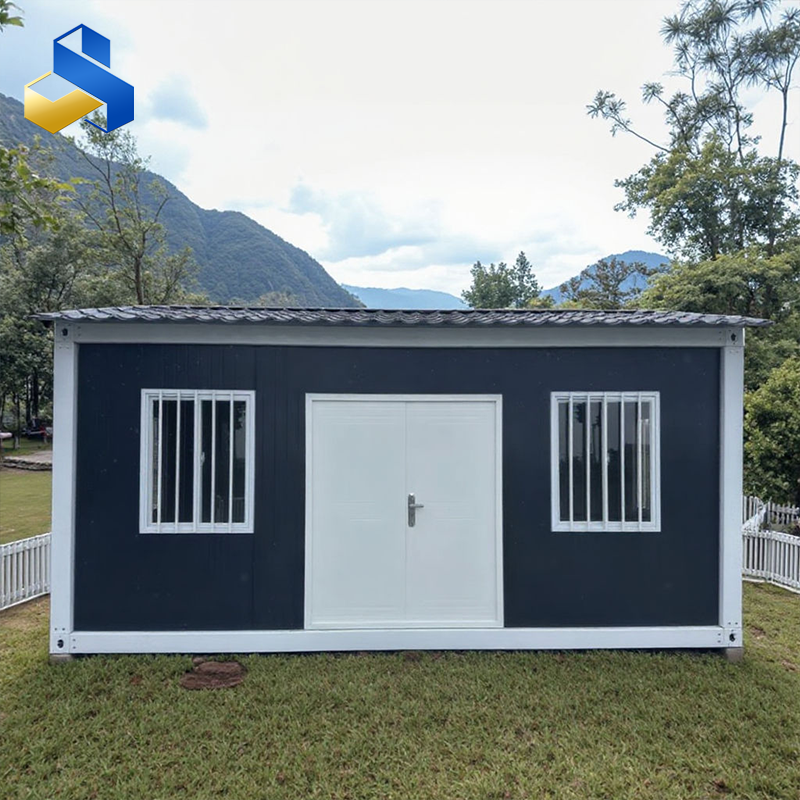
Sustainability and Environmental Benefits of Expandable Container Houses
Reducing Carbon Footprint with Recycled Shipping Containers
Repurposing those millions of shipping containers sitting around the world makes a real dent in construction emissions when building expandable container homes. The math checks out too each time these units get reused, they keep about 95 percent of their original steel intact. That means roughly 3,500 kilograms less carbon dioxide floating around compared to what would happen if someone poured concrete foundations instead according to this report from Circular Economy back in 2023. Beyond just cutting down on pollution, this method helps tackle our growing trash problem by keeping tons of industrial material out of landfills without sacrificing strength or safety in the buildings themselves.
Eco-Friendly Materials and Energy-Efficient Building Practices
Builders enhance sustainability by pairing recycled steel with non-toxic insulation like sheep's wool and cellulose, achieving 30-50% better thermal performance than fiberglass. Solar-ready roofs and rainwater catchment systems are now standard in 68% of North American models, reducing annual operational energy use by up to 40%.
Long-Term Environmental Impact and Lifecycle Sustainability
A 15-year study of 200 container homes revealed significant lifecycle advantages:
| Metric | Traditional Home | Expandable Container Home |
|---|---|---|
| Material recyclability | 23% | 81% |
| Annual maintenance CO₂ | 1.2 tons | 0.4 tons |
Modular replacement of components–such as wall panels or roofing–allows upgrades without demolition, minimizing waste and supporting a usable lifespan of up to 60 years.
Design Flexibility and Customization Options for Modern Lifestyles
Modular Architecture Enabling Personalized Living Spaces
Expandable container houses use modular design to create adaptable living environments. Pre-engineered components allow homeowners to add bedrooms, workspaces, or storage as needs evolve. Industry data shows 68% of buyers prioritize layouts suited to multi-generational living or hybrid work setups.
Interior Customization for Families, Home Offices, and Guest Suites
Smart interior design enables compact units to serve diverse functions. Retractable furniture and convertible walls allow a 400 sq ft space to shift between configurations:
| Morning Configuration | Evening Configuration |
|---|---|
| Home office + gym | Entertainment lounge |
| Family dining area | Two private bedrooms |
Manufacturers offer prefabricated packages tailored to remote workers (soundproof office pods), growing families (bunk bed integrations), and hospitality use (compact kitchenettes). A 2023 survey found 82% of buyers customize at least three interior features, with foldable staircases and panoramic window walls among the most popular upgrades.
Balancing Standardization with Aesthetic Individuality
While based on mass-produced modules, these homes support exterior personalization through:
- Cladding options like corrugated metal or reclaimed wood
- Roofline variations including butterfly and green roofs
- Color schemes aligned with local architectural styles
This balance reduces construction costs by 35-40% versus fully custom builds while ensuring visual harmony in varied settings. Since 2021, the modular industry has seen a 140% increase in design software adoption, empowering buyers to visualize customized layouts before installation.
Space Optimization and Expandable Mechanisms in Compact Living
Innovative Layouts That Maximize Usable Square Footage
Container homes designed for expansion make smart use of limited space through clever layout choices. Think about vertical storage solutions, those handy fold away components, and multiple levels stacked on top of each other. Kitchens often have these neat little pantry drawers tucked right beneath the staircase, and sleeping areas are frequently built into lofts that take advantage of ceiling height rather than eating up precious floor space. The result? Most people report getting around 85 to maybe even 90 percent usable area from containers less than 40 square meters big, which is pretty much what someone would expect from a regular apartment of similar size.
How Expandable Walls Transform Small Footprints into Spacious Interiors
Sliding walls and hydraulic systems let people basically double their living area in just a few minutes flat. Take a standard 20 square meter apartment for instance, it can actually stretch out to about 35 meters when needed, making separate areas for eating, resting, and hanging out. The retractable glass panels keep sunlight coming through but also act as temporary room dividers. Some studies on city dwellings suggest these designs cut down on claustrophobia feelings by roughly two thirds, though results might vary depending on individual preferences and building layouts.
Real-World Applications in Urban Micro-Housing Projects
Vancouver and Barcelona have started using expandable container solutions to tackle their growing housing problems. Take Madrid for instance where they built something pretty interesting by stacking modular living units around shared courtyard spaces. Each unit comes with its own little terrace area, yet none of the buildings go over six floors high. Pretty impressive when you think about it these compact designs pack in around 12 thousand people per square kilometer which is actually three times denser than regular housing arrangements. And here's the best part nobody has to give up their access to parks or community facilities because everything remains within walking distance for residents.
Fast Construction and Cost-Effectiveness of Expandable Container Homes
Rapid Deployment: From Factory to Foundation in Weeks
Prefabricated modular construction allows expandable container homes to be assembled on-site in 2-4 weeks, cutting build time by 75% compared to traditional methods (6-12 months). Weather-resistant steel frames prevent weather-related delays, and standardized components simplify logistics-even in remote locations.
Lower Costs Compared to Traditional Construction Methods
The hybrid design reduces expenses across key areas:
- Material Costs: Repurposed containers cut raw material needs by 40-60%
- Labor Savings: Pre-engineered layouts require 30% fewer on-site workers
- Logistics Efficiency: Single-container transport lowers fuel use versus repeated deliveries
This streamlined process avoids the 22% average cost overruns common in stick-built projects (Construction Industry Institute, 2023).
Data Insight: Average Savings of 30-40% on Build Costs
| Cost Factor | Traditional Home | Expandable Container Home |
|---|---|---|
| Foundation Work | $28,000 | $8,500 (-70%) |
| Framing/Labor | $51,000 | $18,000 (-65%) |
| Utilities Installation | $23,000 | $12,000 (-48%) |
| Total | $102,000 | $38,500 (-62%) |
These savings allow homeowners to invest 15-20% of their budget in smart home systems or renewable energy-enhancing long-term value without exceeding conventional construction budgets.
Frequently Asked Questions
What is an expandable container home?
An expandable container home is a modular structure made from shipping containers that can be expanded to increase living space. This type of home is designed to be both flexible and cost-effective, ideal for urban and rural settings.
How much can I save by choosing an expandable container home?
On average, expandable container homes can save homeowners 30-40% on build costs compared to traditional construction methods due to lower material, labor, and logistics expenses.
Are expandable container homes environmentally friendly?
Yes, they promote sustainability by repurposing shipping containers and utilizing eco-friendly materials such as sheep's wool insulation, solar-ready roofs, and rainwater catchment systems.
Can I customize the interior of an expandable container home?
Absolutely. Expandable container homes support extensive customization, allowing homeowners to tailor interior features like retractable furniture, convertible walls, and personalized layouts for specific lifestyle needs.
Table of Contents
- The Rise of Expandable Container House in Modern Housing
- Sustainability and Environmental Benefits of Expandable Container Houses
- Design Flexibility and Customization Options for Modern Lifestyles
- Space Optimization and Expandable Mechanisms in Compact Living
- Fast Construction and Cost-Effectiveness of Expandable Container Homes