
 EN
EN
The Rise of Expandable Container Houses in Sustainable Living
Growing Demand for Eco-Friendly Housing Solutions
According to a recent World Bank study from 2023, around 1.6 billion folks are dealing with poor housing conditions these days. This has created quite a buzz about finding good scalable solutions, especially those that last longer and don't harm the environment too much. Take expandable container houses as an example. With cities growing fast and more people talking about climate change, many architects are now looking at circular design approaches. They're taking old shipping containers and turning them into modular homes instead of building from scratch. The numbers look pretty impressive actually these container homes can cut down on new materials needed by somewhere between 50-70% when compared to regular construction methods. Makes sense really when we think about all those empty containers floating around ports worldwide.
How Expandable Container Houses Support Sustainable Living
The buildings made from repurposed materials tackle major environmental issues by reusing steel and creating smart living spaces. When someone takes a standard 40 foot shipping container and gives it new life as housing, they're stopping around 3,500 kilograms of carbon dioxide from being released during fresh steel manufacturing. That's basically the same amount of pollution created if someone drove their gas guzzler for nearly 9,000 miles straight. These containers have walls that can be expanded to let in plenty of sunlight and help regulate temperature naturally. Plus, the built-in insulation works really well with how these homes are positioned to take advantage of the sun's path throughout the day. All these features together cut down on energy costs by somewhere between 40 and 50 percent compared to regular houses, which makes them both environmentally friendly and economically sensible choices for modern living.
Urban Micro-Housing Projects Using Expandable Units
Melbourne, San Francisco and other cities across the globe are turning to container homes built on unused plots as a solution for both the housing crisis and expanding city limits. Take Tokyo for instance where they recently converted an old parking garage into something pretty cool - 22 tiny but affordable apartments made possible through these expandable module systems. What makes this approach so appealing? Speed. Most container housing projects wrap up about two thirds quicker than regular construction methods. Just look at what happened in Barcelona last year when they managed to get 50 people into their new container community within barely three months of starting work on site.
Environmental Benefits and Sustainability of Expandable Container Houses
Reducing Carbon Footprint Through Recycled Steel Structures
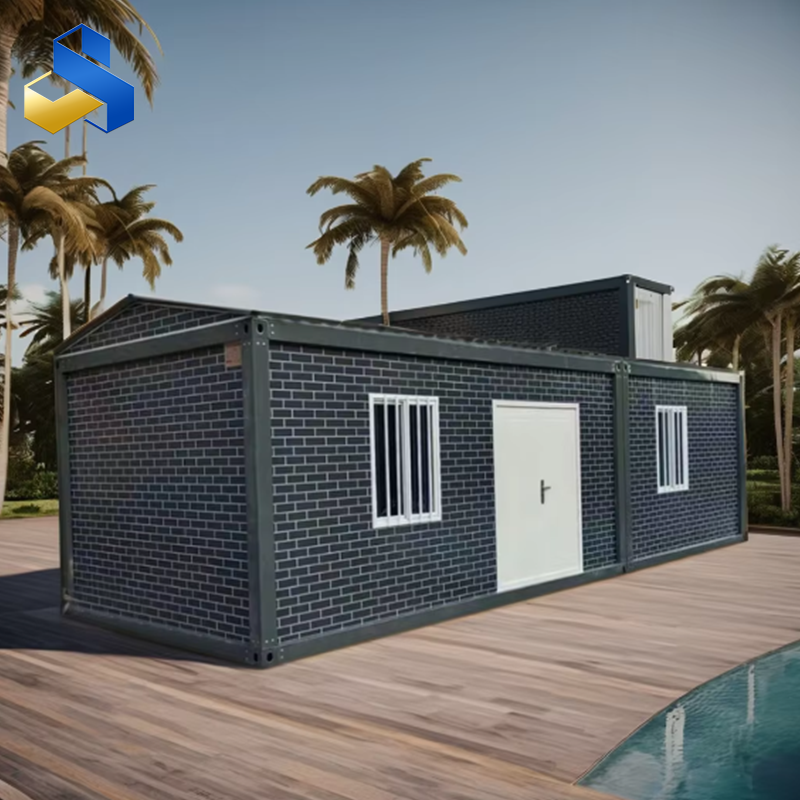
By repurposing retired shipping containers, expandable homes prevent industrial waste and cut construction-related emissions. Reusing one 40-foot container avoids nearly 3,500 kg of CO emissions associated with virgin steel production. Modular designs further reduce environmental impact, requiring 90% less welding and cutting than custom modifications, according to recent sustainable architecture studies.
Sustainable Building Practices and Waste Minimization
Prefabricated units generate 68% less construction debris than site-built homes, thanks to factory-controlled processes that minimize errors and excess materials. Precision engineering allows exact material calculations, as demonstrated by the Helsinki EcoHub project, which achieved a 94% construction waste diversion rate through container reuse and CNC-cut components.
Long-Term Environmental Impact vs. Traditional Homes
Lifecycle analysis of 100m homes shows container houses maintain a 32% lower carbon footprint over 30 years. Key advantages include reduced embodied carbon, lower energy use, and minimal deconstruction waste:
| Metric | Traditional Home | Expandable Container House |
|---|---|---|
| Embodied carbon | 48 tons CO2 | 22 tons CO2 |
| Annual energy use | 15,000 kWh | 9,200 kWh (with solar) |
| Deconstruction waste | 40% landfill | 12% landfill |
Are All Container Homes Truly Sustainable? A Critical Look
Most builders these days claim they're using around 80 to 95 percent recycled steel, but if not done right, this so-called green approach falls flat. Take those fast track construction models for instance many just skip proper insulation altogether which makes heating and cooling systems work way harder than needed. Then there are buildings still using old container flooring treated with chemicals that off gas over time, plus plenty have ventilation issues that lead to mold problems about a third more often than regular houses according to industry reports. Real sustainable building isn't just about materials though it needs thoughtful choices throughout the process good insulation is a must, and making sure the air inside stays clean through proper certification standards makes all the difference in the long run.
Alignment with Global Sustainability and Green Building Goals
Expandable container housing supports nine UN Sustainable Development Goals, particularly SDG 11 (Sustainable Cities) and SDG 12 (Responsible Consumption). Their closed-loop material cycles and compatibility with renewable energy systems make them strong candidates for third-party certifications like Cradle to Cradle Silver, reinforcing their role in global green building initiatives.
Energy Efficiency and Net-Zero Living Potential
Design Features That Maximize Energy Efficiency
Container homes built with high quality insulation, triple glazed windows, and tight sealing can really cut down on energy needs. Research published in the Journal of Green Building back in 2020 showed that steel frames filled with aerogel insulation managed to slash heating and air conditioning expenses by around 37 percent when compared to regular construction methods. Adding passive solar design elements along with floors made from materials that store heat makes these spaces comfortable throughout all seasons without needing much in the way of mechanical systems running constantly.
Solar Integration and Off-Grid Living Capabilities
Rooftop photovoltaic (PV) systems are seamlessly integrated into many modern designs, with over 60% featuring pre-installed conduits for solar panels. Innovations now allow 3.5 kW systems to fully power 400 sq ft units. Paired with rainwater harvesting and composting toilets, these features enable true off-grid living and long-term resource independence.
Case Study: Net-Zero Expandable Container Home in California
A 900 sq ft expandable home in Fresno achieved near net-zero performance in 2022 using a 6.16 kW PV array and geothermal heat pump. Advanced load management systems ensured 94% of energy was consumed on-site despite seasonal fluctuations. Annual utility costs totaled just $240, 86% below regional averages for similar-sized homes.
The Rise of Passive Design in Modular and Prefabricated Units
Manufacturers increasingly integrate passive design during factory fabrication, eliminating thermal bridging in 92% of newer models (Modular Building Institute, 2021). Cross-ventilation windows and phase-change materials in wall panels help maintain indoor temperatures between 68–72 degrees F across diverse climates, reducing reliance on active climate control.
Smart Technology Trends in Sustainable Container Homes
IoT-enabled energy monitors and AI-driven climate controls are becoming standard features. In 2023, 78% of container home buyers prioritized app-controlled lighting and HVAC systems. Real-time energy tracking reduces consumption by an average of 22% while preserving occupant comfort, according to the Smart Home Energy Report 2023.
Modular Flexibility and Scalable Design Advantages
Customization and Layout Flexibility in Expandable Container Houses
Container homes that expand have something special going for them when it comes to design flexibility. People love being able to customize everything from floor plans to where windows go and how interior spaces work. Traditional houses just don't cut it here since these modular units let folks swap out parts easily. Take a standard 400 square foot container house for instance. Some models come with walls that actually fold up so what was once an office space becomes a cozy guest room at the flip of a switch. Younger buyers seem really drawn to this kind of thing too. According to recent research, about two thirds of millennials say having adaptable living spaces is super important to them (Green Build Survey 2023).
Rapid Prefabricated Construction Meets Design Adaptability
Around 90 percent of the structural parts for these homes get made in factories, which cuts down on site work by roughly two thirds. The factory setting helps maintain better quality control across all units, plus it gives builders flexibility to make changes as needed during production. Want solar panels? No problem. Need wider doorways for accessibility? That can be added too. A recent example back in 2023 saw a small housing development with twelve units go from initial plans straight to people actually living there in about fourteen weeks total. This kind of timeline really highlights how fast and adaptable modular building techniques can be when done right.
Scaling Homes to Fit Family Growth or Functional Needs
When our lives change, container homes can change with us. Take a small 20 foot container - it's possible to turn this into a full two story house with three bedrooms by adding sliding sections and building upwards. The flexibility means people don't have to move when their family grows or shrinks. According to recent research from last year, around 8 out of 10 families really care about having space that adapts to different stages of life, whether kids are coming home or parents need to live nearby. Some folks even mix commercial and residential areas in these homes. We've seen coffee shops right below living quarters, which completely changes what we think of as home. These combinations work surprisingly well in practice.
Versatile Applications: From Residential to Commercial Use
Expandable Container Houses for Modern Residential Living
Modular homes are changing how people live in cities these days. They come in all sorts of sizes too—from tiny studio apartments right up to houses with multiple floors for families. A recent study found that around 7 out of 10 people who choose these homes mention things like great insulation and being ready for solar panels as major reasons why they made their choice (Green Building Council reported this back in 2023). What really stands out is how fast these homes get built compared to traditional methods. Most times, construction wraps up within just over two months. This speed makes them especially good at tackling housing shortages in crowded urban neighborhoods where space is limited and demand keeps growing.
Commercial Uses: Cafés, Offices, and Pop-Up Retail Spaces
More companies are turning to expandable container units these days because they're mobile, save money, and just look cool. According to a recent survey from 2024, around two thirds of pop up shops have switched to using modified shipping containers lately. Why? Because they can get set up quickly without spending a fortune on foundations. Some businesses report saving as much as 40 percent when compared to building something from scratch. The modular nature of these containers works great for coffee shops and small offices too. They can expand during busy seasons or pack everything up and move somewhere else with minimal hassle. This kind of flexibility gives businesses an edge in today's ever changing market landscape.
Emergency and Disaster Relief Housing Case Study
In the aftermath of typhoons hitting parts of Southeast Asia last year, emergency crews deployed expandable container units that gave shelter to around 1,200 families who had lost their homes. These containers stood up well against fierce winds and heavy rains, something regular wooden tents just couldn't handle. What makes them even better is they create about half as much construction waste compared to those temporary wooden structures people usually put up after disasters. The fact that they can be assembled so quickly, last longer, and don't harm the environment too much fits right into what the United Nations wants for building stronger communities that can bounce back from crises. This kind of tech shows there's more to it than just basic shelter solutions.
FAQ Section
What is an expandable container house?
An expandable container house is a modular home constructed from repurposed shipping containers. It is designed to expand for additional space and includes features that maximize energy efficiency and sustainability.
How do container homes contribute to sustainable living?
Container homes reduce the need for new materials, minimizing the carbon footprint by reusing steel and other components. They often include features like solar panels and efficient insulation to further enhance sustainability.
Are container homes adaptable for family growth?
Yes, container homes can be expanded or modified to accommodate growing families by adding more units or adapting interior spaces to suit changing needs.
Can container homes be used for commercial purposes?
Yes, container homes can serve various commercial applications, such as cafés, offices, and pop-up retail spaces, due to their adaptability and cost-effectiveness.
How quickly can a container home be constructed?
Container home construction is typically faster than traditional housing methods, with many projects completing within two to three months due to prefabricated modules.
Table of Contents
- The Rise of Expandable Container Houses in Sustainable Living
- Environmental Benefits and Sustainability of Expandable Container Houses
- Reducing Carbon Footprint Through Recycled Steel Structures
- Sustainable Building Practices and Waste Minimization
- Long-Term Environmental Impact vs. Traditional Homes
- Are All Container Homes Truly Sustainable? A Critical Look
- Alignment with Global Sustainability and Green Building Goals
- Energy Efficiency and Net-Zero Living Potential
- Modular Flexibility and Scalable Design Advantages
- Versatile Applications: From Residential to Commercial Use
- FAQ Section