
 EN
EN
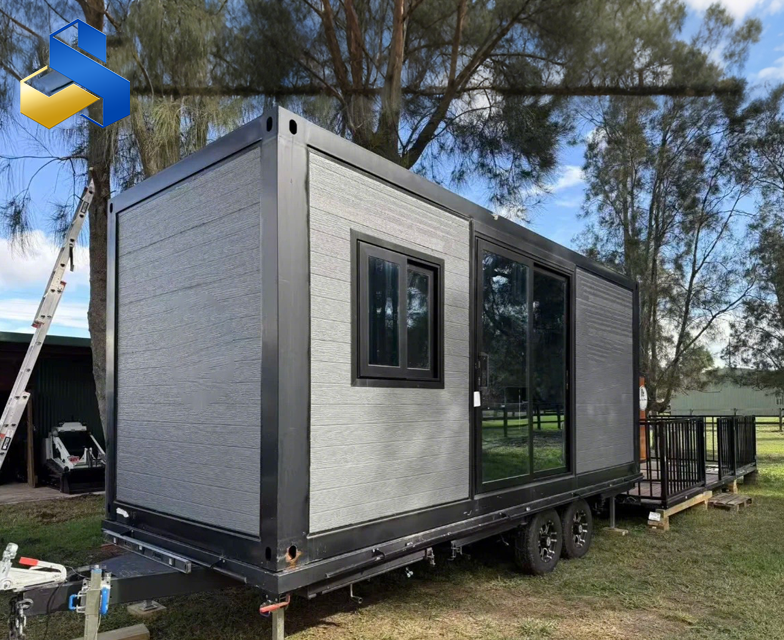
What Are Expandable Container Houses and How Do They Support Affordable Housing?
Defining the Expandable Container House Concept
Expandable container houses take old shipping containers and turn them into something totally different. These modular dwellings actually grow bigger when needed through clever mechanisms like sliding walls, collapsible roofs, or those telescoping frames we see in some models. What makes them stand out from regular buildings is their combination of being able to move around while still holding up pretty well. Imagine taking a standard 40 foot container that's only about 320 square feet and expanding it to twice that size within just a few hours. The latest numbers from the Global Housing Report for 2024 show something interesting too these expanding container homes can save builders around 40 percent on initial construction costs compared to what people normally spend building traditional houses. That kind of cost saving makes them look really attractive as a way to tackle the problem of affordable housing across many communities.
Modular and Expandable Design: Transforming Compact Spaces into Functional Homes
With modular engineering, we see how these units stack together so easily and expand when needed, transforming small spaces into complete living areas. Take for instance a basic unit that starts at around 400 square feet but can actually grow out to something closer to 800 square feet with just some folding walls added in between rooms. The frames made from reinforced steel handle pretty strong winds, maybe even up to about 100 miles per hour according to what I've read somewhere. Plus there's this recycled material used inside for insulation which cuts down on energy costs by roughly quarter according to Housing Innovation Index report from last year. What makes all this really interesting is how adaptable these designs are. They work great for single family dwellings but also scale up well for larger developments containing multiple units without compromising safety standards or making people uncomfortable inside their homes.
Bridging the Gap: From Industrial Containers to Affordable Living Solutions
When old shipping containers get a second life as homes, they cut down on material costs around 60 percent compared to traditional construction methods. Each container keeps roughly 3,500 kilograms of steel out of landfills too. The affordability factor is pretty impressive as well these container homes start at about twelve thousand dollars, which puts them way under the three hundred thousand dollar average for regular houses in America. Getting one built doesn't take long either usually between six to eight weeks total. That kind of quick turnaround makes these structures especially useful when dealing with housing shortages or after natural disasters hit hard. Speed matters a lot in those situations, and so does keeping expenses manageable for communities trying to rebuild or find shelter fast.
Cost-Effectiveness of Expandable Container Houses in Modern Construction
Up to 30% Lower Costs Compared to Traditional Building Methods
Expandable container homes reduce construction expenses by up to 30% through standardized fabrication and minimal waste. The reuse of high-strength steel containers eliminates the need for new structural framing, lowering material costs while maintaining durability and safety standards.
Material Efficiency Through Repurposed Shipping Containers
Each decommissioned container provides 3,500—4,000 kg of reusable steel, reducing raw material demand by over 60%. The inherent strength of corrugated steel walls also minimizes the need for additional reinforcements, further cutting material and labor inputs.
Faster Build Times and Reduced Labor Drive Faster ROI
Pre-engineered components enable 50—70% faster project completion. A 2023 case study showed labor hours reduced by 45% due to the elimination of masonry, wood framing, and on-site roofing work. This acceleration allows developers to achieve occupancy or rental income within weeks, significantly improving return on investment.
Long-Term Financial Benefits for Developers and Homeowners
Weather-resistant steel exteriors and modular systems result in 20—25% lower annual maintenance costs. Energy-efficient insulation and passive design features reduce utility bills by 30—40% (Modular Building Institute, 2023). For developers, bulk procurement and repeatable blueprints enhance scalability, enabling rapid replication across markets.
Sustainability Advantages and Environmental Impact of Steel Container Repurposing
Lower Carbon Footprint in Manufacturing and Transportation
When old shipping containers get converted into living spaces, they cut down on carbon emissions by around 70 percent when we compare them to regular building methods. Think about this: every single container that gets repurposed keeps roughly 8,000 pounds of steel out of our landfills somewhere. And here's something interesting about recycling steel itself. Studies show it takes about three quarters less energy to recycle existing steel rather than making new stuff from raw materials, which means big drops in those long term emissions numbers. Plus there's another benefit nobody talks about much these days. When these containers are folded flat for transportation, they take up about 40% less room on trucks or ships. That means fewer trips back and forth, so less gas burned overall. Makes sense doesn't it?
Energy-Efficient Designs That Reduce Utility Costs Over Time
Today's expandable housing solutions come packed with features like better insulation, solar power setups, and systems for collecting rainwater, all aimed at reducing energy bills over time. The way these units are designed with cross ventilation and roofs that reflect heat can really bring down cooling costs, sometimes cutting them by around 35% in hotter regions. Container homes that have been upgraded right can be about 20 to 30 percent more efficient when it comes to energy compared to regular buildings. Researchers who study green building practices have confirmed this through their work on sustainable construction methods.
Waste Reduction and Contribution to the Circular Economy
When we talk about reusing containers, it actually keeps around 3,500 kilograms of steel out of landfills and cuts down on construction waste somewhere between 65 to 85 percent. There's another benefit too: every ton of recycled steel means saving approximately 2,500 pounds worth of iron ore that would otherwise be mined. The modular approach to building makes things easier when it comes time to take structures apart later for reuse, which fits right into those circular economy ideas many people are talking about these days. Stainless steel stands out because unlike concrete or wood, it maintains all its original qualities no matter how many times it gets recycled. That kind of durability gives it a real edge over other materials commonly used in construction projects.
Critical Perspective: Evaluating the True Sustainability of Container Homes
While container repurposing offers strong environmental benefits, challenges remain—particularly around insulation performance and chemical residues in older units. However, advances in low-VOC coatings and aerogel insulation now mitigate over 80% of these concerns, positioning modern expandable container houses as a credible choice for eco-conscious development.
Scalability and Rapid Deployment: Solving Urgent Housing Needs with Modular Design
Addressing Critical Housing Gaps in Urban and Rural Areas
Expandable container homes meet diverse geographic needs: in cities, they support vertical stacking to combat overcrowding; in rural areas, their lightweight design enables low-cost transport and minimal site preparation. A 2023 Global Shelter Report found modular builds reduced construction timelines by 40% in remote regions, accelerating relocation for displaced populations.
Customization Options for Diverse Demographics and Use Cases
These homes are highly adaptable, serving single individuals, multi-generational families, or mixed-use developments. Key features include:
- Retractable partitions that transform studios into multi-room layouts
- Accessibility modifications like ramps and wider doorways for aging residents
- Climate-specific insulation maintaining indoor temperatures within ±3°F of target (ASHRAE 2022)
Case Study: Success in Disaster Relief and Emergency Shelter Programs
After the 2023 Mediterranean floods, a coalition deployed 1,000 expandable shelters across three countries in just 10 days—far faster than traditional methods allowed. Each unit offered:
- Storm resistance certified for winds exceeding 100 mph (ASTM D7158)
- Quick assembly by two workers in under four hours
- Pathways to permanence, allowing post-crisis expansion into full homes
As documented in recent modular construction projects, container-based shelters achieve 90% occupancy within 72 hours, doubling the rate of tent cities. Post-disaster evaluations showed households saved an average of $12,000 by avoiding temporary rentals during reconstruction.
Real-World Applications: Expanding Affordable Housing Through Expandable Container Houses
Supporting Low-Income Communities Through Innovative Housing Models
For people living in poor neighborhoods across cities, those shipping container homes can actually cut housing costs down by around 40 to 50 percent compared to regular construction methods. Some folks who study housing did a report last year showing how these modular containers really bring down what it costs to get started on building something, all while still keeping things comfortable enough for real living. We're talking about small spaces around 500 square feet with walls that fold out when needed. These little boxes are now sheltering whole families of four in places where there used to be way too many people crammed into too few houses.
Public-Private Partnerships Driving Scalable, Cost-Effective Projects
Collaborations between governments and modular builders have accelerated large-scale deployment. A 2024 urban planning report highlighted joint ventures in Southeast Asia that delivered over 500 units in eight months by standardizing designs and fast-tracking approvals. These partnerships leverage tax incentives and prefabrication to save $150—$200 per sq.ft. versus traditional construction.
Global Trends: Rising Adoption of Container-Based Social Housing
Across the globe, from cold Scandinavian countries down to parts of Sub-Saharan Africa, governments are starting to see value in those big shipping containers turned into homes. Take Sweden for instance they're getting rid of those old flimsy tents at refugee camps and putting up these modern modular houses instead. These new units actually save energy and can withstand harsh weather conditions better than traditional temporary structures. Then there's Rwanda with their ambitious plan called the 15-Year Housing Vision aiming to provide shelter for around 1.2 million citizens through recycled steel containers. What makes this approach interesting is how they focus on making sure buildings won't collapse during earthquakes while also incorporating solar panels right into the design from day one.
FAQ Section
What is an expandable container house?
An expandable container house is a modular dwelling transformed from a shipping container, designed to expand in size through mechanisms such as sliding walls and collapsible roofs.
How do expandable container houses contribute to affordable housing?
Expandable container houses reduce construction costs by 40% compared to traditional homes, offering a cost-effective solution for affordable housing.
What are the environmental benefits of using shipping containers for housing?
Using shipping containers for housing reduces carbon emissions, saves steel from landfills, and lowers the demand for new building materials, significantly minimizing environmental impact.
Are expandable container homes suitable for areas prone to natural disasters?
Yes, expandable container homes are quick to build and can withstand certain natural elements, making them suitable for emergency shelters in disaster-prone areas.
Table of Contents
- What Are Expandable Container Houses and How Do They Support Affordable Housing?
- Cost-Effectiveness of Expandable Container Houses in Modern Construction
- Sustainability Advantages and Environmental Impact of Steel Container Repurposing
- Scalability and Rapid Deployment: Solving Urgent Housing Needs with Modular Design
-
Real-World Applications: Expanding Affordable Housing Through Expandable Container Houses
- Supporting Low-Income Communities Through Innovative Housing Models
- Public-Private Partnerships Driving Scalable, Cost-Effective Projects
- Global Trends: Rising Adoption of Container-Based Social Housing
- FAQ Section
- What is an expandable container house?
- How do expandable container houses contribute to affordable housing?
- What are the environmental benefits of using shipping containers for housing?
- Are expandable container homes suitable for areas prone to natural disasters?