
 EN
EN
Let's get real about where we're headed with building stuff. It's easy to get excited about smart home gadgets or wild architectural designs. But none of that flashy stuff is worth a dime if the place falls apart in a few years or can't keep you safe when things go sideways. The true foundation of tomorrow's homes, offices, and even those cool little capsule cabins? It's the fundamental stuff they're made of. The modern building material is what separates a flimsy structure from one that'll stand tall for generations and have your back no matter what.
We've been keeping a close eye on how construction is changing, especially with the massive growth in prefab buildings like expandable container houses and modular homes. And one thing is becoming super clear: people are smarter about what they want. They're not just looking for a roof over their heads. They want to know their investment is rock solid. They demand durability that laughs in the face of storms, and safety features that deliver genuine peace of mind. Companies like Gouyu get this on a fundamental level. They're not just slapping up buildings; they're engineering strength and security into every single component. So, let's roll up our sleeves and really dig into the materials building this future, focusing on what truly counts: standing firm against time and keeping people safe.
Building a Skeleton That Refuses to Quit
First things first, you need a structure that can take a beating from Mother Nature and just shrug it off. This all starts with the walls. We are way past the days of simple drywall that dents if you look at it wrong. Now, you have options that are practically armor-plated.
Take calcium silicate board, for example. This stuff is an absolute workhorse behind the scenes. It's waterproof, which means zero rot, zero mold issues over the years. And it's fire-resistant, adding a critical, non-negotiable layer of protection that can make all the difference. It's the kind of solid, trustworthy base you want behind your walls.
But let's talk about the heavy hitters: the sandwich panels. These aren't just walls; they're engineered systems. We're talking about color-coated steel wrapped around a core of some seriously tough material. And what you put in that core matters for durability.
Rock wool panels are a top choice for a reason. Rock wool is dense, fire-resistant, and doesn't absorb moisture. It gives the panel incredible rigidity and impact resistance. It won't sag, settle, or degrade over time. For places that need to handle serious business, like cold storage units that face constant temperature swings and heavy use, rock wool panels are the go-to because they combine rugged durability with top-tier performance.
Polyurethane and polystyrene cores offer different strengths. Polyurethane is fantastic for bonding everything into a super-strong, lightweight panel that's also a thermal powerhouse. Polystyrene is a cost-effective option that still provides excellent stability and insulation.
These panels resist impacts, they don't corrode easily, and they keep their shape perfectly year after year. If you want a wall that's not going to warp, dent, or start looking tired after a few seasons, this is it. And with carved metal panels now available, you can have that incredible textured, modern look without sacrificing an ounce of that industrial strength. You get a wall that's as tough as it is beautiful.
Entry Points That Mean Business
Here's a simple truth: a building is only as strong as its weakest point. And historically, those weak points have been the doors and windows. But the materials and engineering we use now have completely flipped that script. These are no longer just openings in the wall; they're engineered barriers that are part of the building's defense system.
Let's start with doors, because that's your first line of defense. Think about what you really need from an entry door. Security is number one, obviously. But you also need it to seal tight against weather and not become a spot where heat leaks out or, worse, where someone could get in. That's where modern materials shine.
Security doors with polyurethane foam filling are a perfect example. The foam isn't just for a solid feel or a bit of soundproofing. It's injected under pressure and bonds to the outer skin, creating a rigid, incredibly strong composite structure. It adds massive structural integrity and helps the door resist forced entry much better than a hollow door ever could. It's a core part of the door's strength, both physically and in terms of insulation.
Steel swing doors are the classic choice for that feeling of absolute security. You feel the weight of it when you close it. You hear that solid thud. It tells you, right from the threshold, that this place is built to protect. Properly sealed and with an insulated core, it's a fortress door.
For different needs, like a workshop, a commercial storefront, or even as an extra layer on a container home, an aluminum alloy roller shutter door provides a tough, impenetrable barrier when it's down, and it rolls away cleanly and out of sight when you need access and light. It's durable, low-maintenance, and adds a serious layer of security and weather protection.
And don't forget the innovation in access. You can now get these same robust security doors fitted with smart locks. It's the perfect blend of brute strength and modern convenience. You get the peace of mind from the physical barrier, plus keyless entry, remote access, and all the smart home integration you could want.
Now, let's talk windows. A window used to be a security risk and a durability headache. Wood rots, frames warp, glass breaks. Modern windows? A completely different story.
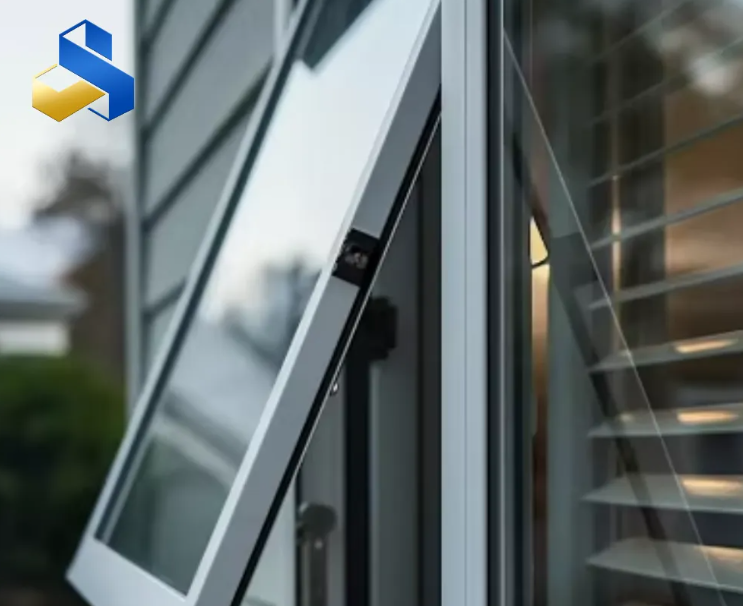
Thermally insulated aluminum windows are a game-changer. The aluminum frame itself is incredibly strong and resistant to warping, rotting, or corroding, unlike wood or older steel frames. It stands up to the elements with zero maintenance. Pair that strong frame with double-glazed insulated tempered glass, and you've got a serious piece of engineering. The tempered glass is much, much harder to break than standard glass, adding a real security layer. And because it's in a strong, well-engineered frame, it's not going to get pried open easily. The whole unit is solid.
For a clean, modern, and airy feel, plastic-steel windows are a fantastic option, especially when used in floor-to-ceiling glass curtain walls. They offer incredible durability, excellent thermal performance, and require minimal upkeep. They let the light flood in and connect you with the outdoors, but they never compromise on being a strong, secure part of the building's protective shell. They're tough, stable, and look great doing their job.
The Shield That Faces the Storm Every Single Day
Think about what the outside of a building goes through. It's a constant, unrelenting assault. Sun, UV rays, rain, snow, hail, wind, freezing temperatures, scorching heat – it's a never-ending battle. The final layer of defense, the stuff that takes the brunt of it all, is the coating. And modern latex paint is a total game-changer here, way more than just a color.
For the inside, you want a finish that's safe and can handle real life. Environmentally friendly acrylic latex paint gives you a beautiful finish that can handle everyday bumps, scuffs from furniture, and cleaning, without fading or flaking. It's tough, but it's also smart, with low VOCs so it's not polluting the air you breathe every day. It's the kind of responsible choice that makes a space healthier.
But the real star for long-term durability, the thing that protects your entire investment, is what goes on the outside. Weather-resistant latex paint is like a high-tech, invisible shield for your building. Its advanced formulation is designed to do several critical jobs:
Flexibility: It's engineered to flex and move microscopically with the building materials as temperatures change and things expand and contract. This means it resists cracking and peeling, which is exactly how water gets in and starts causing rot and damage.
UV Protection: It's packed with high-quality pigments that resist fading from that harsh, relentless sun. The color stays true for years, keeping your building looking new.
Water Barrier: It creates a tough, continuous barrier that water simply cannot penetrate. Rain beads up and rolls right off, preventing it from seeping into the walls and starting to corrode steel, rot wood, or damage insulation.
For something like a container house, which is often made of steel and needs serious protection from rust and the elements, this high-performance paint isn't just cosmetic. It's an absolutely critical part of the building's durability strategy. It's what keeps the whole package – the structure, the insulation, the interior – safe, dry, and doing its job effectively for the long haul. It's the unsung hero of longevity.
Tying It All Together: A Future Built on Smart Choices
So, when you try to picture the future of construction, don't just think about the futuristic gadgets or the wild shapes. Think about the core. Think about the fundamentals. Think about a building where every single piece of building material is chosen for a reason:
1.The walls use sandwich panels with cores like rock wool or polyurethane for rock-solid durability and strength.
2.The doors are engineered barriers, from foam-filled security doors with smart locks to heavy-duty steel swing doors.
3.The windows are as strong and secure as they are clear and light-filled, with thermally broken frames and tempered glass.
4.The final coat of paint is a sophisticated, flexible, weather-proof shield that protects everything underneath for years.
This is the real future. It's not about cutting corners. It's about making smart, informed choices about every single component. It's about understanding that a structure built with high-quality, purpose-designed materials isn't just a place to be – it's an investment in safety, in longevity, in low maintenance, and in true, lasting peace of mind. Companies focused on this, like Gouyu with their huge range of specialized panels, doors, windows, and protective coatings, are showing the way forward. The future of building isn't just about what you can add on. It's about getting the absolute basics so incredibly right that the building itself becomes a fortress of durability and safety, quietly and confidently ready for whatever comes next.