
 EN
EN
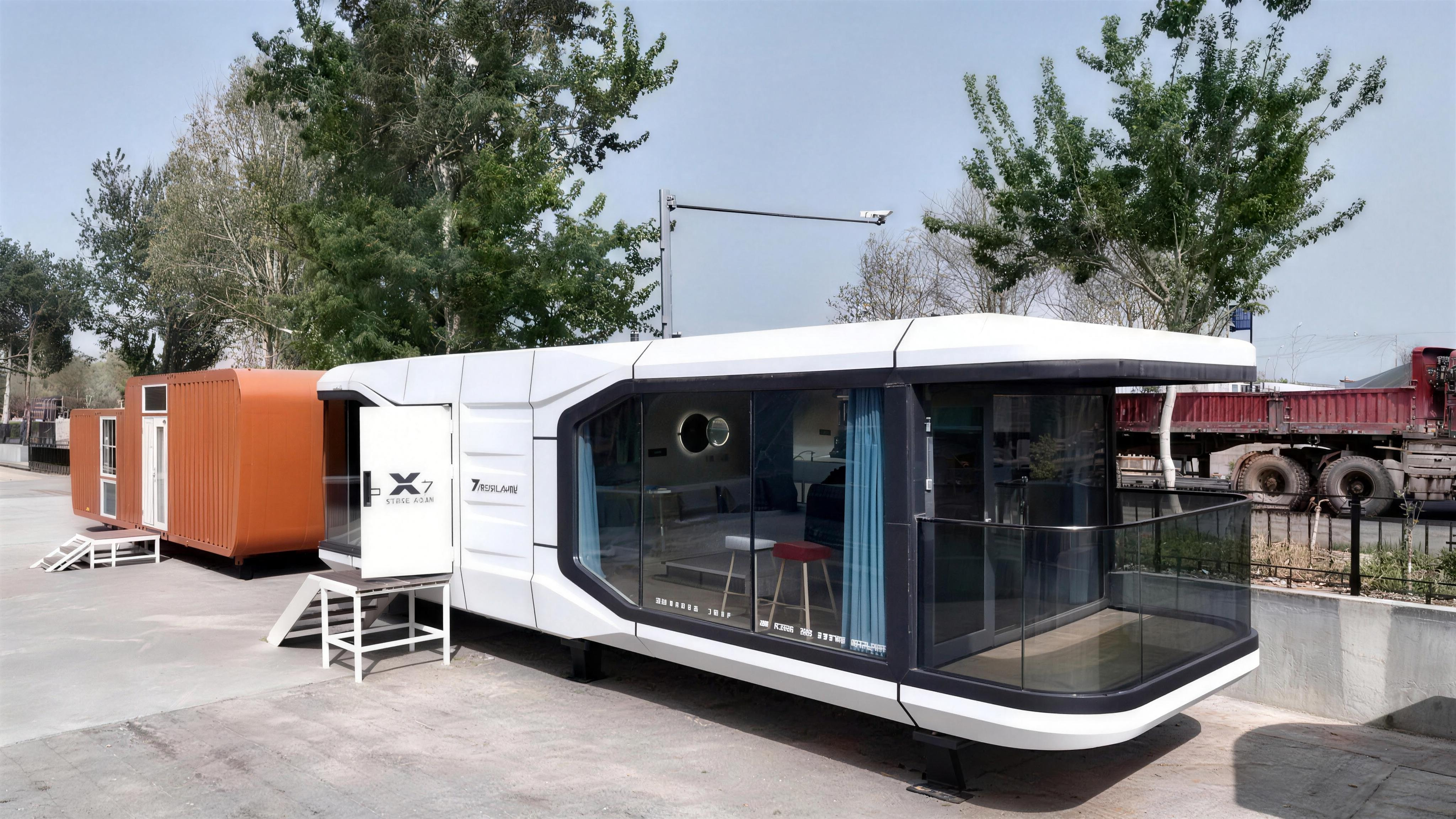
Lifting and Positioning Equipment for Safe, Precise Placement
Hydraulic Jack Systems: Capacity, Stroke Range, and Dual-Point Configurations for Units Under 24' Deck Height
When building foundations for trailers with decks less than 24 feet high, hydraulic jacks can get really precise down to the millimeter level. The best setups use dual point configurations that work together at around 20 tons each, which stops the whole structure from twisting when lifting it up. These systems also have strokes over 36 inches long so they can handle different kinds of ground slopes without issue. Most good quality systems follow ASME B30.1 guidelines, something that makes all the difference when working on rough or uneven ground. Getting those tiny tilt angles below one degree matters a lot if we want everything to fit properly in the end.
Crane vs. Telehandler vs. Forklift: Selecting the Right Lifting Solution by Unit Weight, Site Access, and HUD Compliance Requirements
| Equipment Type | Optimal Use Case | Weight Capacity | Site Access Needs |
|---|---|---|---|
| Crane | Units 15,000 lbs / open terrain | 25+ tons | 30ft clearance |
| Telehandler | Rough terrain / 8,000–12,000 lbs modules | 12,000 lbs | 10ft pathways |
| Forklift | Tight urban sites / units <8,000 lbs | 9,000 lbs | Paved surfaces |
Foundation-Leveling Tools for Sub-Inch Structural Alignment
Laser Levels and Digital Inclinometers: Achieving ±1/8" Floor-to-Frame Tolerance Across the Entire Unit
Getting the leveling right matters a lot when building foundations for houses on trailers. Contractors now rely on self-leveling lasers and electronic angle finders to hit that sweet spot where floor meets frame within 1/8 inch or better, which actually goes beyond what HUD requires for manufactured homes. These instruments basically map out reference lines throughout the whole structure, picking up even tiny changes in height down to about 0.1 degrees thanks to constant digital updates. When dealing with tricky ground conditions, such fine tuning stops those expensive stress cracks from forming in the structure later on. According to some field research, using these real time leveling systems cuts down on adjustments needed after installation by around 34 percent compared to old school manual techniques.
String-Line Verification and Calibration Protocols for Consistent Reference Plane Integrity
While digital tools provide primary alignment, string-line systems serve as critical verification backups. Establish a perimeter baseline using high-tension braided lines calibrated daily with digital tension meters. This dual-validation approach catches cumulative errors in foundation piers or beam placements. Follow a 3-point calibration protocol:
- Verify string alignment against laser planes at 10-foot intervals
- Check for sag using optical micrometers with ±0.001" resolution
- Re-tension lines after temperature shifts exceeding 15°F
This redundancy maintains reference plane integrity during anchor system installation, ensuring permanent foundation integration without compromising load distribution. Projects combining digital and physical verification methods demonstrate 27% fewer callbacks for floor unevenness within the first five years, per structural engineering field data.
Anchoring Hardware and Installation Equipment for Permanent Foundation Integration
Soil-Driven Anchor Selection: Auger, Drive, and Slab Anchors Aligned with ASTM D1143 Load-Bearing Classifications
When it comes to trailer homes, soil driven anchors play a vital role in getting those structural loads down to solid ground beneath the foundation. Picking between auger, drive, or slab anchors really depends on what kind of dirt we're dealing with and how much weight needs to be supported according to ASTM D1143 standards. Auger anchors, also known as helical piles, work best in soils that stick together. They twist into place with their spiral blades and can hold anywhere from 10 to 20 kips at depths around 8 to 15 feet deep. Drive anchors get hammered into place quickly in sandy or gravelly soils, though they need pretty dense material underneath to pass HUD's shear strength tests. For areas with unstable topsoil prone to freezing issues, slab anchors make sense. These combine regular concrete footings with vertical supports that spread out the weight across problematic surfaces where frost might cause problems later on.
| Anchor Type | Optimal Soil Conditions | Installation Depth Range | ASTM D1143 Capacity Class |
|---|---|---|---|
| Auger | Clay/Silt | 8–15 ft | 10–20 kips |
| Drive | Sand/Gravel | 4–10 ft | 5–15 kips |
| Slab | Organic/Frost-prone | 2–6 ft | 8–18 kips |
Quality assurance requires torque-tension calibrations for auger systems and penetration resistance logs for drive anchors per ASTM D1143 Standard Test Methods for Deep Foundations Under Static Axial Compressive Load. Proper selection prevents differential settlement exceeding 1/8" per 10 ft—ensuring foundation permanence without reliance on brand-specific hardware.
Structural Integration Tools Ensuring HUD-Compliant Load Path Continuity
Frame Tie-Down Connectors and Torque-Calibrated Tensioning Systems for Low-Deck-Height Trailer Integrated House Foundation Setup
Getting HUD compliance for load path continuity in those low deck height trailer houses takes some special hardware. The right frame tie downs and properly calibrated tension systems are essential here. What these parts do is basically glue together the trailer frame and the foundation so nothing gets pulled apart during strong winds or earthquakes. The tensioners need just the right amount of force too around 1200 to 1800 foot pounds on average across all those anchor points without bending the lightweight frames out of shape. When working with trailers that have less than 24 inches of deck space below, we use smaller connectors with angled brackets to keep the load moving through the structure even when space is really tight. On site, technicians must check tensions within plus or minus 5 percent of what was specified in engineering plans using proper calibrated tools. This careful checking makes sure stress spreads evenly throughout the structure. Following this method helps prevent those dangerous shear failures where connections literally tear apart. And it aligns perfectly with the latest HUD guidelines from their 2023 Permanent Foundation Manual about keeping things stable laterally.
Key considerations include:
- Shear resistance ratings matching ASTM A490 bolt standards
- Galvanized coatings preventing corrosion-induced torque loss
- Pre-installed alignment guides ensuring connector placement within " tolerance
Proper implementation reduces structural failure risks by 63% compared to non-calibrated systems, per modular housing safety audits.
FAQ
1. Why is precise leveling crucial in trailer foundations?
Accurate leveling prevents stress cracks and structural deformations, ensuring the longevity and integrity of the foundation.
2. What are the benefits of using hydraulic jack systems?
Hydraulic jack systems allow for precise lifting and prevent twisting of structures with their dual-point configurations.
3. How do soil conditions affect anchor selection?
The type of soil determines which anchor (auger, drive, or slab) is most appropriate for ensuring optimal load-bearing capacity.
4. What tools ensure HUD-compliant load path continuity?
Frame tie-down connectors and torque-calibrated tension systems ensure the structure's stability and compliance with HUD regulations.