
 EN
EN
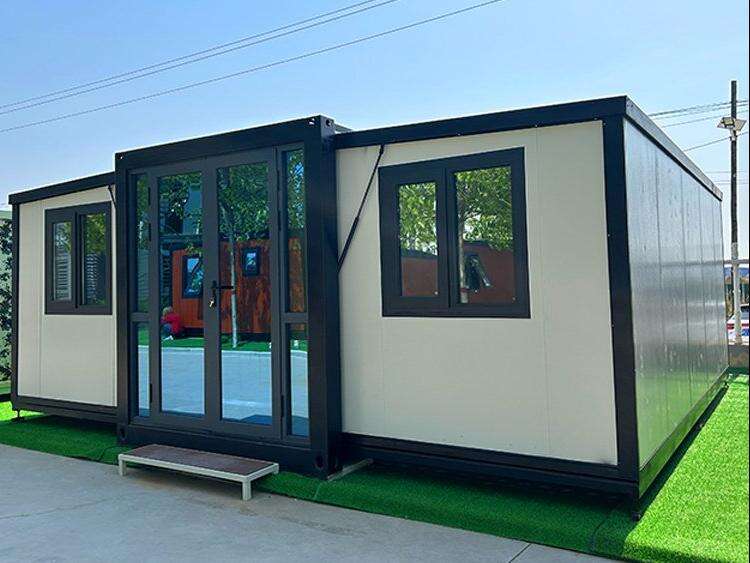
Superior Structural Performance and Climate-Resilient Durability
Earthquake and typhoon resilience: verified performance in Sichuan and Guangdong
Steel framing has shown remarkable strength in some of China's toughest conditions. The evidence is clear after major earthquakes hit Sichuan province and powerful typhoons battered Guangdong's coastline. Steel's ability to bend without breaking allows buildings to absorb earthquake energy better than traditional materials, cutting maximum stress on structures by around 35-40%. Along Guangdong's vulnerable coastlines, special wind bracing systems have proven effective against winds over 200 kilometers per hour. After recent storms, engineers noted significantly fewer damages in steel-framed buildings compared to standard constructions, with reports suggesting roughly 85-90% reduction in repair costs. What makes this possible? Carefully designed joints between steel components and strict quality control throughout manufacturing processes for prefabricated steel homes across China. These factors explain why many architects now consider steel framing their go-to solution when designing buildings that need to stand up against nature's worst.
Corrosion resistance: G550 galvanized steel and region-specific protective coatings
Galvanized G550 steel serves as the main structural component in light steel villas, offering impressive resistance to corrosion. The zinc coating alone can protect against rust for more than 75 years, even when exposed to harsh conditions found on places like Hainan Island where humidity and salt levels are high. Smart manufacturers take it a step further by applying specialized topcoats based on local environmental factors. For areas near the coast battling constant exposure to sea salt, they often go with epoxy-polyamide combinations. Industrial regions dealing with acid rain problems typically see fluoropolymer coatings making an appearance instead. Lab tests using accelerated salt spray methods show that these protective layers only degrade by less than 3% after 1500 hours of exposure, which means three times longer lifespan compared to materials without such protection. What does this mean practically? Structures stay free from rust damage and building owners end up spending around 60 percent less on maintenance throughout the entire life cycle of their buildings.
70+ year design life—nearly double that of timber-frame light steel villas
Steel framed villas last way longer than their wooden counterparts. We're talking about around 70 years compared to just 35-40 years for timber frames. Why? Well, there are a few key reasons behind this difference. First off, steel doesn't burn easily which is a big plus safety wise. Then there's no worrying about rot or insects eating away at the structure over time. Plus, steel expands very little when temperatures change, so it doesn't wear out as quickly. The high strength G550 steel used in these constructions has impressive resistance against bending or warping even after many years of constant weight. And because manufacturers follow standard building practices, these homes maintain their shape and integrity throughout decades of use. Industry tests back up these claims too, showing clear differences between materials over time.
| Material | Avg. Lifespan | Maintenance Frequency | End-of-Life Recyclability |
|---|---|---|---|
| Steel framing | 70+ years | Every 15 years | 93% |
| Timber framing | 35—40 years | Every 5—7 years | <40% |
This durability transforms industrialized housing in China from temporary infrastructure into a long-term, high-value asset.
Cost Efficiency and Accelerated Construction Timelines
Prefabricated steel framing delivers measurable cost savings and schedule compression for light steel villa projects nationwide. By shifting labor-intensive work to controlled factory settings, developers cut on-site labor needs by 40—50% versus brick-concrete methods—a decisive advantage amid tightening skilled labor availability.
Prefabricated steel framing cuts villa delivery to ~60 days
Factory-manufactured components arrive pre-cut, pre-drilled, and ready for assembly—enabling rapid, weather-independent installation. This standardization reduces typical villa completion to approximately 60 days, accelerating ROI and lowering financing costs without compromising structural or aesthetic quality.
40—50% reduction in on-site labor vs. brick-concrete systems
Light steel framing's modular design cuts out those annoying delays we usually face with things like masonry curing and coordinating all those wet trades on site. The precision involved in manufacturing these components means significantly less waste too. Studies show somewhere between 15 to 30 percent less material goes to landfill when using this method versus traditional approaches, according to research done at the China Academy of Building Research. What makes this approach so attractive is that it saves money in two ways at once reducing both labor costs and resource consumption. Developers working on projects in cities or out in the countryside are starting to see these benefits firsthand as they look for smarter building solutions.
Strong Policy Support and Industrial Readiness for Scalable Deployment
Green Building Action Plan (2023—2030) and provincial incentives for steel framing
The Chinese government's Green Building Action Plan for 2023 to 2030 clearly positions steel framing as key to making construction both sustainable and efficient on an industrial level. Local authorities are pushing this forward with various incentives aimed at encouraging light steel villa development. These include tax breaks, easier access to green financing options, and quicker approval processes for projects that meet certification standards. Behind these policy efforts stands a solid industrial base. Automated production facilities maintain quality control when manufacturing components in large quantities, and well-established distribution systems make it possible to deliver materials all over the country. As regulations continue to support this approach, along with reliable supply chains and increased experience among developers, light steel villas are no longer just experimental projects. They've become standard residential choices in major urban centers as well as smaller towns throughout China.
Alignment with China's Dual Carbon Goals Through Sustainability and Recyclability
93% average steel recyclability and lower embodied carbon per m² vs. concrete
Steel framing plays a big role in helping China meet its Dual Carbon goals, which aim for a carbon peak by 2030 and full neutrality by 2060. Light steel villas can recover around 93% of materials when they reach their end of life, keeping tons of structural steel out of landfills and actually working within circular economy principles. What really stands out is that these buildings produce about 40% less embodied carbon per square meter compared to regular reinforced concrete structures according to recent studies. And when we factor in the longer lifespan made possible by G550 galvanized steel, the environmental benefits keep growing year after year. This means industrialized steel housing isn't just another green building option, it represents something much bigger for China's housing market in terms of reducing carbon emissions over the long haul.
FAQ
What is the average lifespan of steel-framed villas compared to timber-framed ones?
Steel-framed villas have an average lifespan of over 70 years, which is nearly double that of timber-framed villas, which last about 35–40 years.
How do steel-framed buildings perform in harsh weather conditions?
Steel-framed buildings are highly resilient in harsh weather, such as earthquakes and typhoons. They show about 35-40% less stress in earthquakes and have wind bracing systems effective against winds over 200 km/h.
What makes G550 galvanized steel a good choice for construction?
G550 galvanized steel offers excellent corrosion resistance, with the zinc coating protecting against rust for over 75 years, even under harsh conditions.
Are there any government incentives for using steel framing?
Yes, the Chinese government supports steel framing through the Green Building Action Plan (2023–2030), offering incentives like tax breaks and easier green financing access to encourage light steel villa development.