
 EN
EN
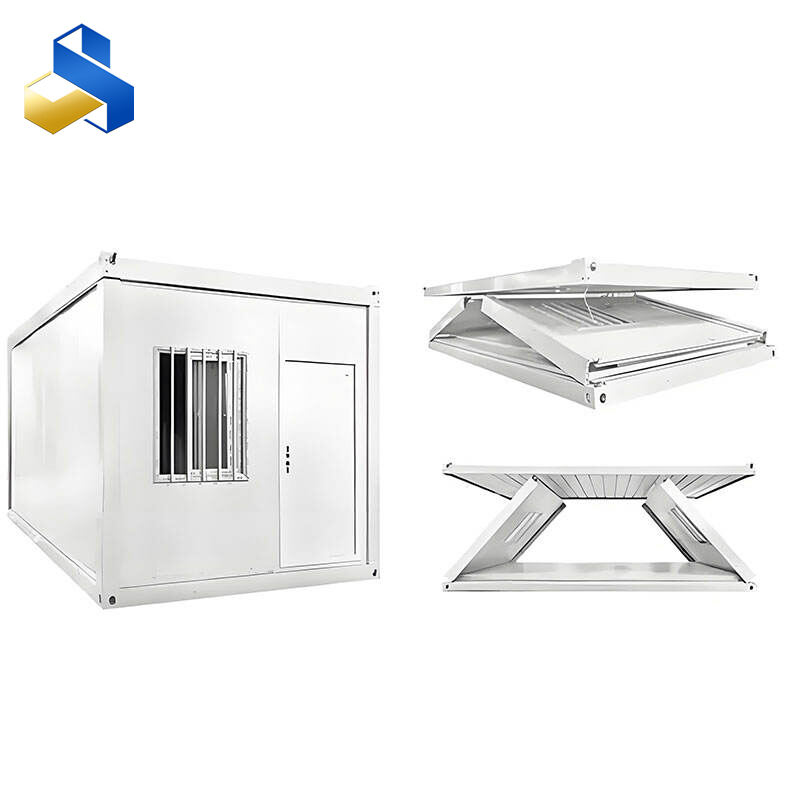
The Rise of Folding Container Houses in Urban Environments
Understanding the growing demand for compact living solutions
The rapid growth of cities around the globe has made finding enough space a real problem, especially since more than half the world's people now live in urban areas. With so many people packed together, there's simply more demand for homes that can fit into tight spaces but still work well. That's where folding container houses come in handy. These structures have collapsible parts that make them much easier to transport and set up when needed. People love them not just because they save space but also because building regular houses has gotten so expensive lately. Plus, there are growing worries about what construction does to the environment. According to a recent study on city housing from 2023, smaller living spaces like these containers actually use about 40% less energy than normal homes. This helps communities reach their green targets while making housing more affordable in places where prices keep going up.
How folding container houses meet urban space and affordability challenges
Smart engineered structures address two big problems facing cities today. The folding design cuts down on transportation needs dramatically, making shipping roughly three times cheaper than regular buildings. When manufacturers standardize parts for mass production, they cut construction time nearly in half while saving between a third and half of what traditional methods would cost. What makes these modules really interesting is how they stack vertically or cluster together. Imagine transforming those forgotten alleys behind apartment blocks or empty rooftops into actual living spaces instead of just storage areas. Some municipalities have started using them near train stations and bus stops where people can save money on daily commutes because everything's within walking distance. However, there are still challenges with zoning laws and community acceptance that need resolving before widespread adoption happens.
Case Study: Deployment in Tokyo's micro-housing initiatives
The way Tokyo has started using foldable container houses really shows what they could do in cities packed full of people. With so little space available and rent prices going through the roof, the city came up with these tiny housing projects in areas like Shinjuku and Shibuya. They basically put these collapsible living units into those tiny strips of land squeezed between buildings where nothing else would fit. Each of these small homes is only around 320 square feet but somehow manages to have furniture that changes shape, kitchens that can be pulled out when needed, plus all sorts of storage options stacked vertically. The numbers are pretty impressive too. More than 200 people actually got moved into these places just 12 weeks after construction began something traditional building methods simply couldn't match. People who live there seem happy too, according to follow-up questionnaires. About 89 percent reported being satisfied with their new digs, even though they're paying roughly 40 percent less than what's normally charged for similar spaces in the area. These compact homes prove that it's possible to tackle housing problems fast while still making sure people don't end up in terrible conditions.
Smart Design: How Folding Container Houses Maximize Small Spaces
Space-saving features like fold-down furniture and multifunctional interiors
Container houses that fold open actually transform tight spaces into something special with clever design tricks. The whole thing has this cool patented hydraulic system that expands those small 20 foot shipping containers into full blown 60 square meter living areas within just 10 minutes flat. Once inside, everything serves two functions at once. There are these awesome pieces of furniture like sofa beds that become regular sofas during the day, tables that pop out when needed, and desks mounted on walls so they don't take up floor space. The layout goes vertical too with sleeping nooks tucked above and storage spots underneath stairs where most people would leave empty air. Almost nothing stays still in these places. Dining tables turn into workstations, shelves double as separators between rooms. All this smart thinking means folks can get about 40 percent more living space compared to regular tiny houses simply because every inch gets used properly without all that wasted corner space we normally see everywhere else.
Optimizing layout: Efficient floor plans in folding container house designs
Good floor planning makes all the difference when it comes to making small spaces both comfortable and functional. Most modern designs go for open concepts these days, often replacing traditional walls with sliding panels that keep things looking open but still offer some privacy where needed. Studies indicate that kitchens arranged in a U-shape along with diagonal walking paths can make better use of space than regular square layouts, sometimes boosting efficiency by around 23%. To create the illusion of bigger rooms, designers love using tall mirrors from floor to ceiling, consistent flooring throughout different areas, and placing windows strategically according to how sunlight moves through the day. North facing windows let plenty of light in without bringing too much heat inside. Putting all the plumbing and wiring into one central core saves wall space around the edges for storage solutions and easier movement between rooms. When everything works together like this, even tiny apartments start feeling surprisingly roomy and practical.
Modularity and Mobility: The Core Advantages of Folding Container Homes
Flexible living through modular design and rapid on-site assembly
Folding container houses are really flexible because of their modular design. These can go from just one unit all the way up to several stories high depending on what people need. The containers come with built-in hinges and already have utilities installed so when someone wants to put them together at a site, it takes less than ten minutes without needing any welding or digging holes for foundations. There's also something called cross bracing that keeps everything standing straight even after many years. And since most parts are standard across different models, workers spend about 40 percent less time putting things together compared to regular construction methods. All this makes these homes great options when cities suddenly need more space or when there's an emergency situation where quick shelter solutions matter most.
Real-world application: Use in disaster relief and remote locations
Folding container homes are great for emergency situations and places that are hard to reach because they can be moved easily. When folded up tight, these units take up only about one fifth of the space they need when open, so regular trucks can haul them right into disaster areas or tough landscapes where bigger vehicles won't go. Real world examples have seen whole communities set up in under two days, which beats what most temporary shelters can do by a long shot. At remote mining camps and scientific research bases, people actually live in these containers without needing connections to main power grids thanks to built-in solar panels and water recycling tech inside. What's really cool is how these homes get reused again and again at different sites instead of being thrown away after one use. The construction industry estimates this cuts down on wasted materials by around two thirds compared to single-use shelters, based on recent studies from logistics experts in 2023.
FAQ: Folding Container Houses
What are folding container houses?
Folding container houses are compact, mobile, and modular living spaces designed from shipping containers that can be easily transported and set up in urban and remote areas, making them an affordable and eco-friendly housing solution.
How do folding container houses help with urban space challenges?
These houses utilize collapsible parts to optimize transport and assembly, drastically reducing costs and maximizing the use of limited urban spaces by stacking vertically or clustering together to create efficient living environments.
Where have folding container houses been successfully implemented?
A key example is in Tokyo, where they've been used in micro-housing projects in densely populated areas, transforming unused spaces between buildings into low-cost yet satisfactory living areas.
Can folding container houses be used in emergency situations?
Yes, they are ideal for disaster relief and remote locations because of their portability and ease of assembly, offering rapid, reusable shelter solutions without the need for connections to traditional utilities.
What are the design features of folding container houses?
These houses utilize smart design elements like fold-down furniture, multifunctional interiors, modular layouts, and efficient floor plans to maximize space and functionality while maintaining a comfortable living environment.