
 EN
EN
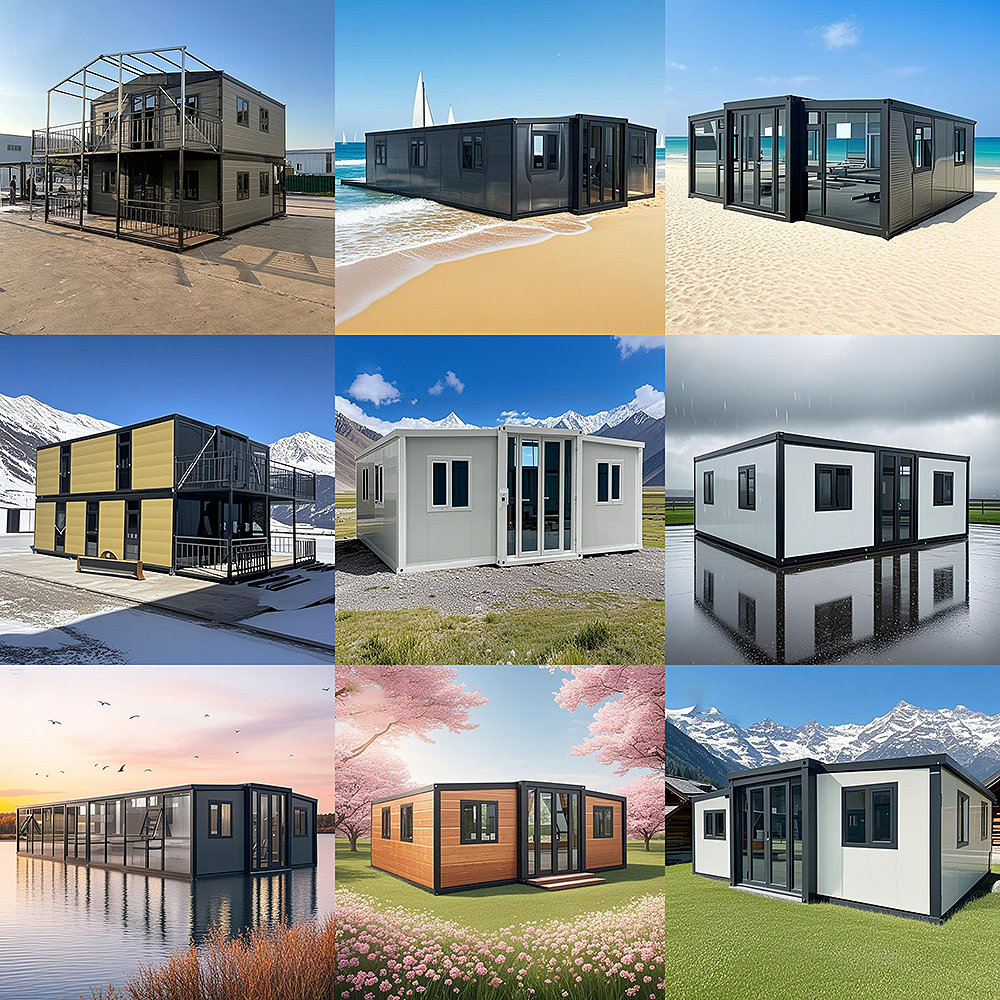
The Evolution and Rise of Expandable Container Houses
From Shipping Containers to Modern Homes: A Sustainable Shift
Steel shipping containers have been turned into living spaces as a creative solution to both housing problems around the world and growing concerns about our environment. What started as simple cargo carriers are now being reused on a massive scale, keeping millions of old containers out of landfills every single year. The numbers tell quite a story too. Compared to regular construction techniques, using these containers cuts down construction waste by nearly 90%. Plus, they hold up really well against harsh weather conditions because of their solid construction. Industry reports from 2025 show that each container that gets converted saves about 3,500 kilograms of steel. This isn't just changing what buildings look like though. It's actually transforming how we think about resources and sustainability when it comes to construction projects.
Driving Forces Behind the Popularity of Expandable Container Houses
What's really pushing these alternative structures into the mainstream? Let's break it down. First off, they're way cheaper than traditional builds, usually costing around half as much. That price tag opens doors for folks who might otherwise struggle to afford decent shelter. And when disasters strike or companies need temporary housing for workers in remote areas, these units go up super fast sometimes within just two days flat. Not bad for something that wasn't there yesterday! Plus, the designs have come a long way from basic boxes. Now we see all sorts of customization options and even some pretty fancy finishes that would fit right in with regular homes. Younger people especially seem to get this stuff. According to Global Housing Trends 2024, nearly seven out of ten millennials put sustainability at the top of their housing wish list. Makes sense really when looking at both wallet and planet health.
Innovative Design: Aesthetics and Customization in Expandable Container Houses
Flexible Layouts and Exterior Styles for Urban and Rural Settings
Container houses that can expand actually work pretty well in all sorts of different places because they're built using modules. When these homes go up in crowded city areas, builders stack them vertically and include clever stuff like furniture that folds away to make the most of tiny plots. Out in the country, folks tend to spread things out more, creating big open spaces that blend right into nature thanks to decks wrapping around the sides and foundations raised off the ground. The secret behind this flexibility? Standard connectors and walls made in sections that snap together easily. For looks, urban versions often wear a rugged corten steel exterior, while country models might sport wood paneling or even have living roofs covered in plants. This approach keeps everything looking good without sacrificing strength. What's really cool is how these designs fit whatever limitations a particular site has, yet still manage to offer comfortable living spaces that feel genuinely usable day after day.
Luxury Finishes and Eco-Friendly Materials in Modern Designs
Expandable homes these days manage to look great while actually being good for the planet too, all without breaking the bank. Think bamboo floors that feel amazing underfoot, countertops made from crushed glass that sparkle like diamonds, and paints that don't smell like chemicals after they dry. The Structural Insulated Panels used in many of these homes have recycled steel inside them and soy foam between the layers. Studies on prefab houses show these panels can really cut down heating bills somewhere around 30 to maybe even 50 percent over time. Most builders test these materials thoroughly before putting them into actual homes, and they come in all sorts of finishes so homeowners can pick what looks best in their space. Instead of going for expensive tropical woods, smart manufacturers stick with FSC certified timber which means trees get replanted somewhere else when they're harvested. This approach keeps things looking stylish but also makes sure nobody's cutting down rainforests just to build another house.
Tailoring Expandable Container Houses for Accessibility and Climate
The ability to customize these homes also covers accessibility features and how they handle different weather conditions. We see things like wider doors, no steps at entrances, and counters that can be adjusted to help people move around easily without making the house look unattractive. When dealing with really harsh weather, designers incorporate smart passive solutions. Take cold areas for instance, where windows filled with argon gas between two panes cut down on heat escaping by about 40%. Desert models come with special reflective roofs and ventilation setups that actually drop inside temps anywhere from 8 to 12 degrees Celsius. Places prone to flooding get extra protection through raised bases and water resistant materials built into the structure itself. All these specific changes show just how adaptable container homes are when it comes to providing comfortable living spaces everywhere from hot coastal spots all the way up to snowy mountain locations thanks to thoughtful engineering tailored for each site.
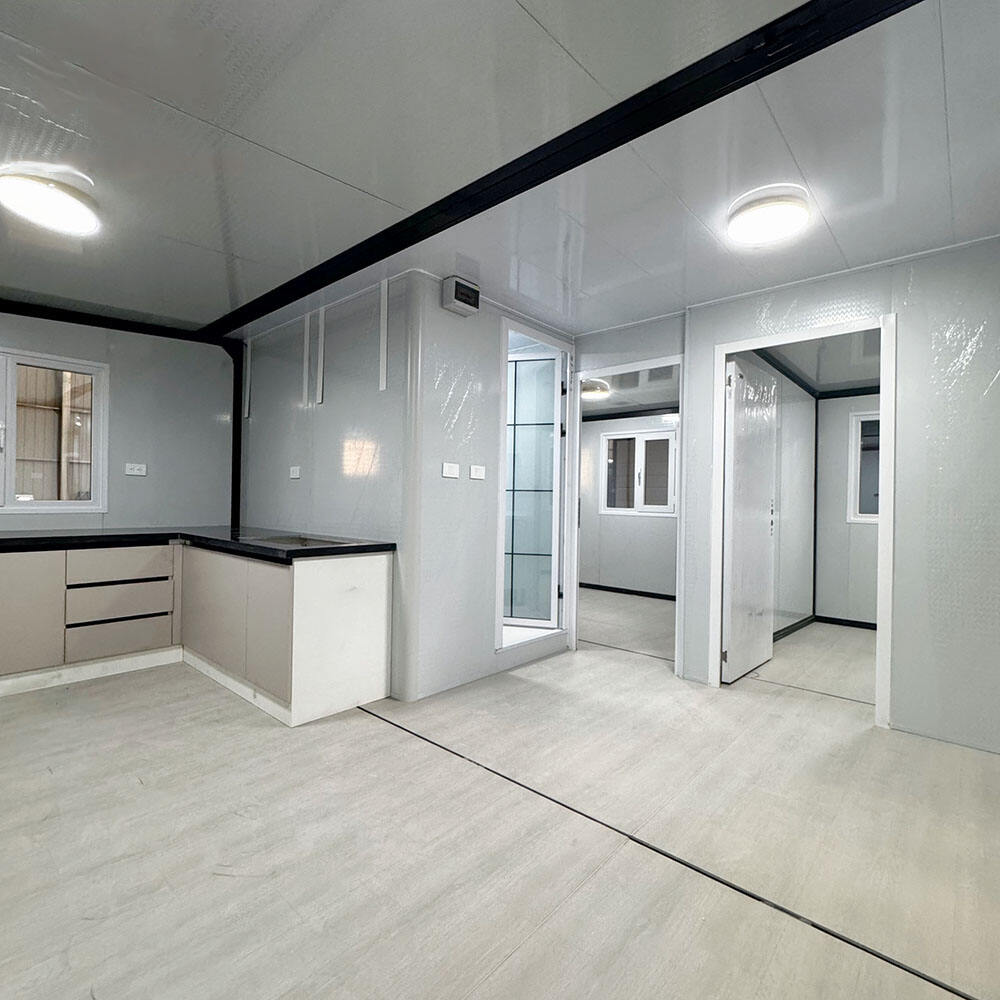
Core Functionality: Durability, Mobility, and Climate Adaptability
Expandable container houses excel in structural resilience, ease of relocation, and climate responsiveness. Engineered for real-world demands, they simplify construction while ensuring long-term performance.
Structural Integrity of Double-Wing Expandable Units in Extreme Conditions
These double wing expandable units can handle pretty much anything nature throws at them, including Category 12 typhoon winds and heavy snow loads reaching 1.5 kN per square meter. The reinforced corners and those specially welded steel panels really make a difference when things get rough, keeping everything from bending out of shape even during extreme conditions. When put through their paces in tests for earthquakes and floods, these structures hold up remarkably well compared to standard buildings on the market today. Most people would be surprised to learn that they actually last longer than regular homes too, with estimates suggesting around 20 extra years of service life in most cases.
Quick Assembly, Expansion, and Relocation of Prefabricated Units
A 40 ft² expandable container house can be assembled on-site in under three hours using basic tools. Modular locking mechanisms allow immediate expansion without heavy machinery. When relocations are needed, units disassemble quickly—ideal for temporary projects, seasonal use, or emergency response operations.
Advanced Insulation, Ventilation, and Energy-Efficient Systems
When spray foam meets fiberglass in multi layer insulation setups, buildings stay comfortable even when temps swing between -30 degrees Celsius and blazing hot 50°C weather. The combination works wonders for keeping interiors at just the right temperature no matter what's happening outside. Smart HVAC systems paired with cleverly placed cross ventilation ducts cut down on energy bills by almost half compared to regular houses. And let's not forget about those solar ready roofs that can hook up to panels later on, plus special ports for collecting rainwater which really takes sustainability to another level. Most folks who've looked into this stuff report that installation happens about twice as fast as traditional methods, while repairs and maintenance costs tend to be around 30 percent cheaper over time too.
Cost-Effectiveness and Real-World Applications of Expandable Container Homes
Material and Construction Savings Compared to Traditional Housing
Container homes that can expand save money in several ways thanks to reused materials and building parts away from the actual site. When old shipping containers get new life as living spaces, material costs drop around half compared to starting from scratch. Plus, since most of the work happens in factories rather than on location, there's way less need for onsite labor and construction takes much less time overall. These homes typically end up costing somewhere between 30 to maybe even 50 percent less than regular house construction. Another big plus is how these projects avoid those frustrating weather delays that plague traditional building sites. The whole thing just runs smoother financially too, which explains why developers looking to move quickly or stick to tight budgets keep turning to container home solutions more and more lately.
Practical Uses: Granny Flats, Remote Cabins, and Emergency Housing
These versatile structures meet all sorts of needs for both homes and businesses alike. People who own houses often set them up in backyards as little guest quarters or build them into standalone cabins away from the grid, since they're easy to move around and put together fast. For companies working in isolated areas, these units become solid places for workers to stay without needing much in the way of roads or power lines nearby. What really stands out though is how useful they are during emergencies. When disasters strike, rescue teams can get these mobile shelters on site super quickly, offering warm, safe temporary housing usually within just two days after arriving at the scene.
FAQ
What are expandable container houses?
Expandable container houses are modular living spaces made from steel shipping containers that are designed to expand, providing flexibility for various settings and uses.
How are they beneficial compared to traditional homes?
These homes offer cost savings, quick assembly, and environmental benefits by reusing materials and reducing construction waste while also being stylish and adaptable to various climates.
What real-world applications do they have?
Expandable container homes serve multiple purposes, including use as granny flats, remote cabins, emergency housing, and temporary worker accommodations in areas with limited infrastructure.