
 EN
EN
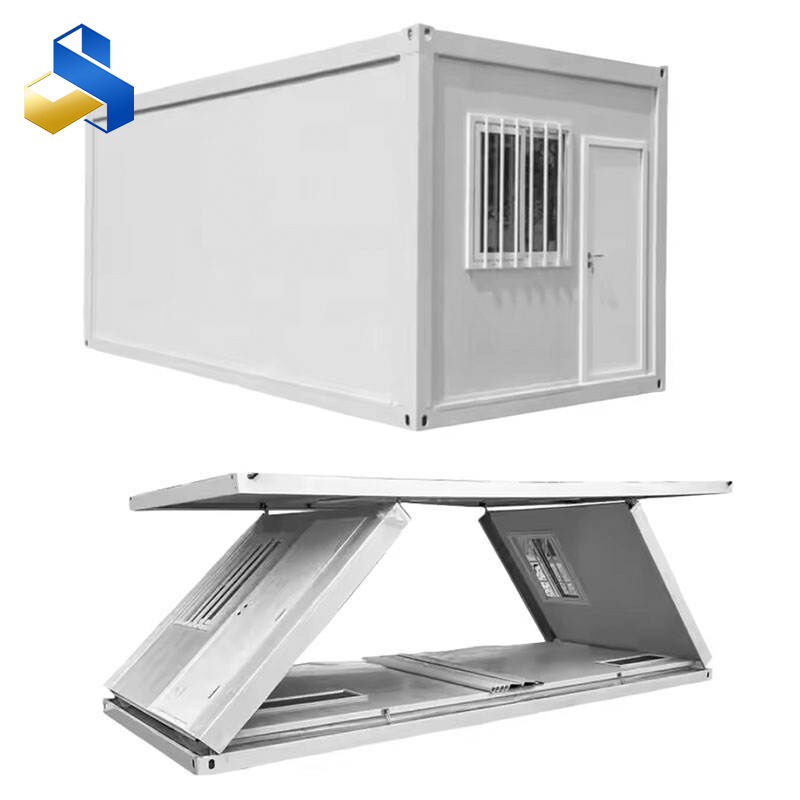
Significant Cost Savings with Folding Container House Construction
Cost-effectiveness of folding container houses compared to traditional construction
Container homes actually save money when compared to regular buildings. The fact that they come pre-made cuts down on site work by around half sometimes, and factories cut materials so precisely there's not much waste left over. Construction finishes way quicker too, often several months ahead schedule, which means less money tied up in loans and running expenses. Steel makes these structures last longer without needing constant fixes, unlike wooden houses or concrete buildings that require regular attention. No waiting around for good weather conditions or dealing with complicated groundwork issues either something that eats into budgets during normal construction projects. All told, container homes provide solid structure while costing significantly less, which explains why people choose them for everything from backyard cabins to office spaces and even temporary shelters after disasters.
Affordable advantages through modular design and mass production
When it comes to making things cheaper, modular manufacturing really helps out thanks to those economy of scale benefits we all hear about. Factories churn out standard parts in big batches which brings down what each unit costs for materials and labor. Plus, buying stuff in volume and moving it around gets much easier when everything is uniform. The assembly line approach means companies can scale up quickly for bigger projects, and since these modules are so compact when shipped, transportation expenses drop dramatically sometimes as much as three quarters. All told, this usually brings overall project costs down somewhere between thirty and forty percent compared with old school construction methods. And because buildings go up faster, there's less money tied up during construction periods too. This makes good quality housing accessible to people from different income brackets without breaking the bank.
Data insight: Up to 40% reduction in construction costs using folding container housing
Studies in the industry show that using folding containers for housing can cut down building costs as much as 40% when compared to traditional approaches. There are several reasons behind this cost reduction. First off, precise manufacturing means there's about 15 to 20% less wasted materials. Then we have the modular setup process which typically saves between 30 and 50% on site labor costs. Plus, since projects get completed faster, they avoid those expensive weather delays and associated overhead costs. Production happens in factories where mistakes happen less often, so there's no need for costly fixes later on. And because these containers take up less space during transport, shipping costs drop dramatically, sometimes by around 75%. All these advantages combined explain why many see folding container homes as something that could really change how we approach affordable housing solutions across different scales.
Rapid Deployment and Operational Efficiency in Housing Projects
Fast assembly: From delivery to occupancy in under a week
Container houses that fold flat can go from box to home really fast because most of the building happens at factories before they even arrive on site. About 9 out of 10 parts get built there already. When these units reach their destination, workers just need to unfold them and lock everything down securely. This cuts down waiting time when it rains or snows and saves quite a bit on labor costs too maybe around half to three quarters less than traditional methods. The wiring and pipes come preinstalled so people can actually move in within two days after delivery sometimes even sooner. For companies needing temporary housing for staff, this means crews can start working 30% quicker than usual. Plus, since the containers collapse into smaller sizes, shipping several at once becomes much cheaper. This makes it easier to adjust housing numbers based on how many workers show up week to week.
Case study: Emergency housing deployment in disaster-stricken regions
After Typhoon Mawar hit in 2023 and forced over 15,000 people from their homes, aid organizations started using these special folding container houses as main temporary shelters. Amazingly fast, within just four days they had set up 320 of these containers spread out across three different towns, giving a home to around 1,500 folks who needed it most. The real advantage came from their ability to fold down small enough for planes to carry them into places where regular building materials couldn't reach. Each container was about 25 square meters and took only three hours for four workers to put together on site. These weren't just simple boxes either - they actually had built-in bathrooms and strong anchors that could withstand hurricanes. Compared to older methods, this setup got people into safe shelter almost two thirds quicker, showing just how much difference these portable homes can make when disasters strike suddenly.
Flexible and Customizable Design for Diverse Living Needs
Folding container houses offer exceptional adaptability through intelligent engineering, meeting diverse spatial needs without compromising structural integrity.
Expandable layouts for compact living and space efficiency
Telescopic systems let small modular units transform into much larger living spaces. Take a regular 20 foot shipping container for instance it can actually become about 40 square meters once expanded, which means twice as much room without needing any bigger foundation work. The real magic happens with retractable walls and furniture that does double duty. Some folks install Murphy beds that flip up when not needed, freeing up floor space during the day. Others get creative with fold away kitchen counters that disappear when guests come over. These kinds of adaptable designs make city life possible in crowded neighborhoods where every inch counts and people need smart solutions just to fit basic living essentials.
Modular adaptability for student housing, shelters, and urban infill projects
Modular designs make it simple to rearrange spaces for different purposes. Many colleges and universities have started using connected module clusters as budget-friendly dorm options with common areas where students can hang out together. When disasters strike, emergency crews can put together standard building blocks into temporary hospitals or shelter spaces pretty quickly sometimes even inside just two days flat. For cities dealing with tight spaces between existing buildings, these modules work wonders on those awkward little plots where regular construction just doesn't fit. Local governments tell us that when they build affordable homes using factory-made parts instead of traditional methods, projects get finished around 30 percent quicker in poor neighborhoods where housing is desperately needed.
Sustainable and Eco-Friendly Advantages of Folding Container Homes
Recycling steel and reducing construction waste through modular methods
Container homes made by folding old shipping containers cut down on environmental damage because they reuse steel instead of letting it pile up in landfills. We're talking about keeping around 700 thousand tons of metal out of waste sites every year just by giving these containers new life. When built using modular methods, there's way less construction waste too about 30 to 40 percent less according to industry reports. Factories can engineer parts so precisely that things like leftover wood scraps and concrete mess don't happen as much. Plus, working in controlled environments makes recycling easier and keeps pollution down during actual construction. Many green building experts now see container homes as one of the top choices for people wanting to build sustainably without breaking the bank.
Low environmental impact with energy-efficient prefabricated housing
When factories install that top quality insulation right from the start, buildings stay warmer in winter and cooler in summer while using around 35 percent less energy for heating and air conditioning. These days, manufacturers are also building in renewable energy options like solar panels, so many new constructions come with solar ready roofs already prepared. The way these structures are designed makes transportation much more efficient too. Since they can be folded down into compact shapes, they take up about 70% less space on trucks compared to regular modular homes. This means fewer trips, less fuel burned, and naturally lower carbon emissions when moving everything to the construction site.
Environmental Impact Comparison
| Factor | Traditional Construction | Folding Container House |
|---|---|---|
| Material waste | 30-40% higher | Near-zero through reuse |
| Energy consumption | 25-35 kWh/m²/year | 16-22 kWh/m²/year |
| Transport emissions | Multiple heavy loads | Single optimized shipment |
| Construction timeline | 6-12 months | 2-4 weeks |
FAQ Section
Q: What are folding container houses? A: Folding container houses are a type of prefabricated housing solution using containers that can be folded for easy transport and rapid assembly.
Q: How much do folding container houses reduce construction costs? A: They can reduce construction costs by up to 40% due to modular production, reduced waste, and minimized labor costs.
Q: Can folding container homes withstand severe weather conditions? A: Yes, they are designed with strong anchors and durable materials to withstand severe weather conditions, such as hurricanes.