
 EN
EN
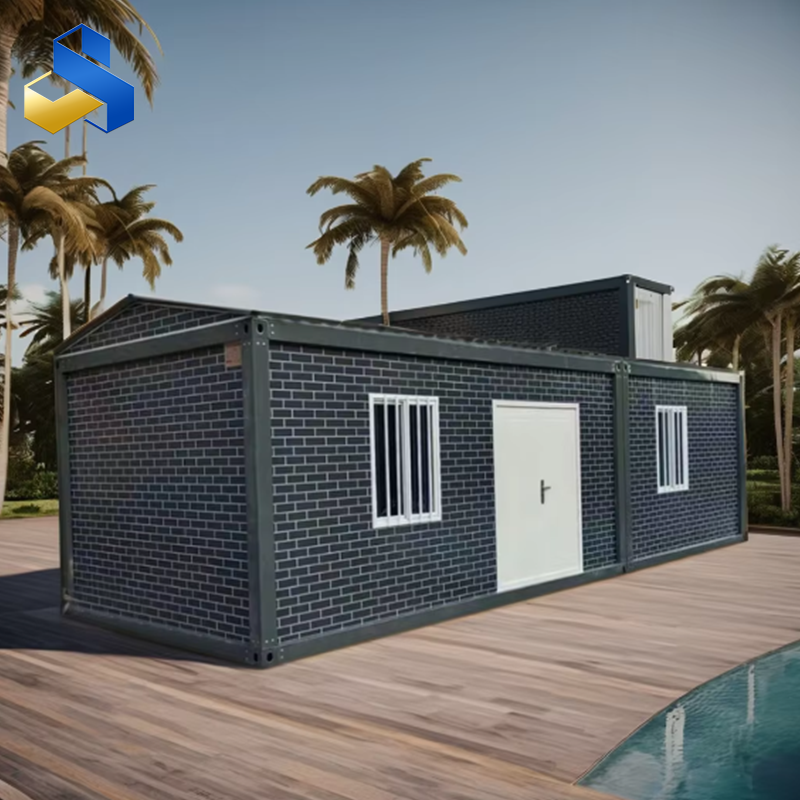
Modular Expansion: Scalable Design for Changing Needs
When it comes to expandable container houses, modular construction lets these homes grow right along with changing family needs. Prefab units snap together much like LEGO bricks, making expansion straightforward. A recent industry report from 2024 shows that this approach cuts down on site work by about half, giving homeowners real flexibility when they want to add more space. Standard container sizes actually help maintain solid structure too, no matter if someone wants to stretch out sideways or build upwards with extra floors.
When families grow or needs change, adding modules becomes a smart solution for expanding living areas. These modular additions typically add around 200 to 400 square feet of space, and they usually cost about 30 percent less than going through the whole process of extending a house the traditional way. People often go for things like extra bedrooms for guests, converting old shipping containers into workspaces, or setting up outdoor cooking areas with those cool glass walls that can be folded away when not needed. The best part? All these options give homeowners much more flexibility in how they use their space without having to tear everything apart and start over from scratch.
Real World Example: Expanding a Container Home in Suburban Texas A family living just outside Houston recently expanded their home by attaching two 40 foot shipping containers to what was already there. The whole expansion took around eight weeks and cost approximately $74k total. They added several practical spaces during this process. There's now a lovely sunroom with those big sliding doors that open wide when weather permits. Another highlight is the separate studio space equipped with roof mounted solar panels for extra power generation. What really saved money though were the shared utility areas between the old and new sections. By centralizing certain plumbing systems instead of running entirely new lines throughout both structures, they cut down on installation costs significantly.
Design Strategies for Seamless Integration of New Containers
To maintain architectural coherence during expansion, key considerations include:
- Alignment: Laser-leveling ensures flush connections between old and new modules
- Roofing: Sloped or green roofs unify disparate sections visually and functionally
- Insulation: Uniform spray foam application prevents thermal bridging across integrated walls
This scalable approach future-proofs homes while preserving design consistency.

Flexible Relocation and Site Adaptability of Container Homes
Mobility Advantages for Remote or Temporary Housing Needs
Container homes that expand on site bring real advantages when it comes to moving around for different living situations. These buildings follow standard shipping container specs with extra strong corners, so they can go almost anywhere by truck, train, or even on big ships heading to places like mines, areas hit by disasters, or vacation spots during certain seasons. According to some recent numbers from the building sector, most companies setting up temporary housing for workers are going with containers these days. Something like eight out of ten projects use them because they can get set up pretty quickly usually within three days according to QGBuilding's latest report from earlier this year.
Ease of Transport and Reassembly Across Different Terrains
Container homes are built tough with their modular steel frames able to handle being taken apart and put back together multiple times without any issues. The jack systems built into these structures make it much easier to level them out when they're placed on tricky ground conditions. And let's not forget about those pre-wired connections for utilities which save a ton of time during installation – probably around half the time needed for regular construction methods. We've also seen some pretty cool advancements recently where whole wall sections can actually fold down, cutting down how much space they take up during transportation. This means fewer trips and lower costs for shipping, all while maintaining the structural integrity that makes container homes so appealing in the first place.
Real-World Example: A Relocatable Container Home in the Pacific Northwest
They moved a 640 square foot shipping container house across 300 miles of rugged mountains in the Pacific Northwest, then expanded it right there on site into something much bigger - around 1,120 square feet total living space. The whole thing went from being delivered to actually occupied within only eight days. That shows what these expandable container homes can do when facing real world problems like getting equipment through tight spots and finding enough room to work with during construction.
Customization and Space Optimization in Expandable Container House Layouts
Modern, Customizable Designs That Enhance Aesthetic Appeal
Expandable container homes these days are way past their basic industrial look, with over seventy different designs available to transform those old steel containers into pretty impressive structures. People can choose between stuff like weatherproof wood composites or shiny metal panels for the outside. The windows are placed in smart spots throughout the house so there's plenty of natural light coming in without compromising how strong the building is. Some models even come with sliding glass walls that open up completely, plus roofs that slope at interesting angles. These features make the homes both stylish and actually useful for everyday living.
Smart Interior Design for Maximum Space Utilization
Most standard 320 square foot containers manage around 90% efficient use of space when designed properly. Smart storage options make all the difference in small spaces. Think about those hidden compartments beneath staircase landings, tables that fold away when not needed, and sofas that transform into beds at night. Getting creative with vertical space matters too. Some containers have ceiling mounted shelves that can hold pretty heavy stuff like tools or sports gear, maybe even 200 pounds worth if installed right. And don't forget about the little nooks built into walls where microwave ovens or coffee makers can sit out of sight but still within reach.
Layout Techniques for Small-Footprint Living Efficiency
Four proven strategies define efficient container layouts:
- Diagonal room arrangements to enhance visual spaciousness
- Sliding partition walls that create adaptable zones
- Open-plan areas combining kitchen, dining, and workspace functions
- Elevated mezzanine bedrooms that preserve ground-level square footage
These techniques enable a standard 40ft container to comfortably accommodate a family of three without compromising livability.
From Cargo Box to Luxury Loft: Innovative Architectural Transformations
Looking at what's happening these days, around two thirds of folks retrofitting shipping containers for homes are going all out with premium touches such as quartz countertops and those fancy smart home setups. Many builders are getting creative too, adding cantilevered decks and putting solar panels on awnings which really expands the outdoor living space maybe somewhere between 130 to 150 percent larger than before. Take this amazing example from somewhere in Oregon where someone took six linked containers and turned them into a spacious 2,150 square foot residence featuring not just regular stuff but also an actual hydroponic garden growing fresh herbs right inside plus special wine storage that keeps bottles at just the right temperature. These kinds of projects definitely challenge the old idea that container homes can't compete with traditional luxury houses when it comes to comfort and style.
FAQ
What are expandable container homes?
Expandable container homes are modular structures made from shipping containers. They can be expanded by adding more modules, making them ideal for growing families or changing needs.
How quickly can a container home be built?
Container homes are typically completed 50% faster than traditional homes due to prefabrication and simultaneous site preparation and module production. Some can be ready in weeks.
Are expandable container homes cost-effective?
Yes, they can reduce construction costs by 30-50% compared to traditional builds, leveraging affordable materials and prefabricated components.
What are the environmental benefits of container homes?
They help reduce construction waste by repurposing steel and can lower CO2 emissions. Energy-efficient features further enhance their environmental friendliness.