
 EN
EN
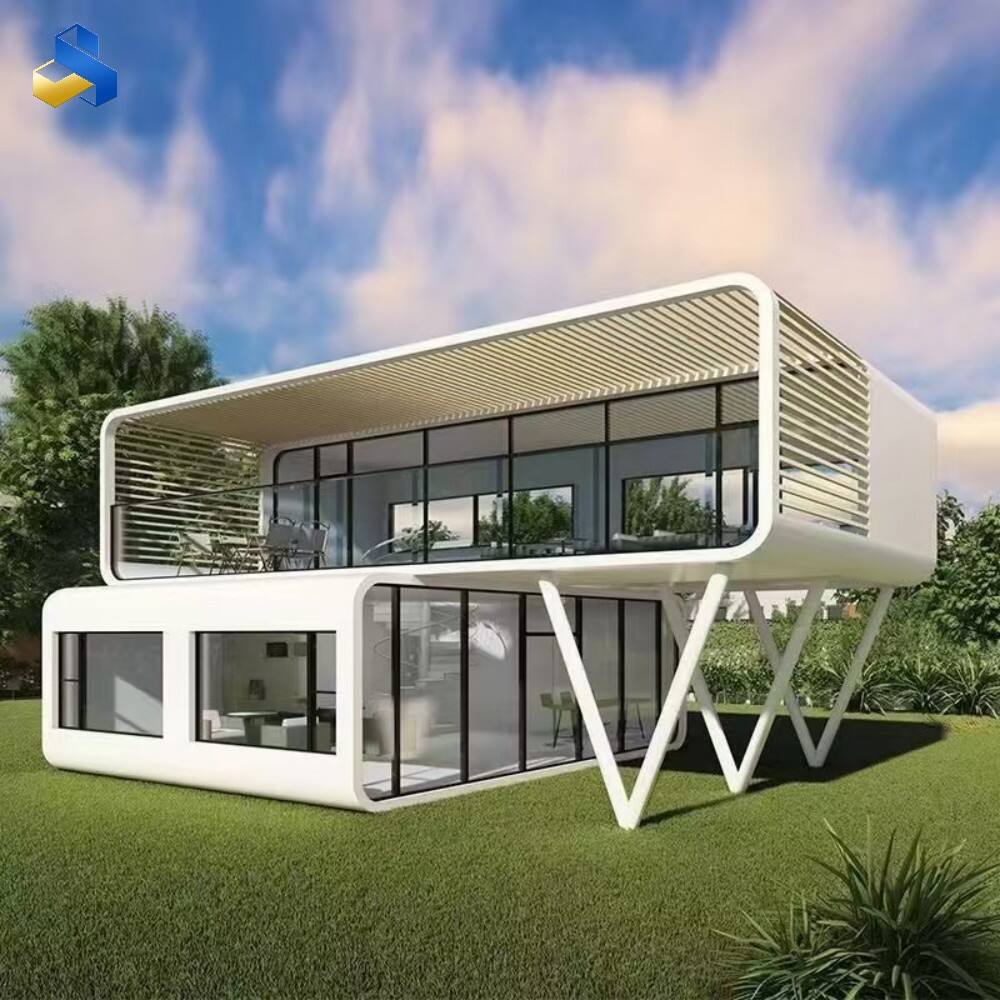
The Urban Demand for Space Capsule Cabin Design
Understanding the Demand for Space Capsule House Design in Small Living Spaces
With cities getting more crowded and rent prices going through the roof, those tiny space capsule cabins are no longer just experimental oddities but real solutions for people stuck in expensive urban areas. According to the latest Urban Housing Report from 2024, we're looking at a massive $4.7 billion market for compact housing by 2030. Why? Because young folks born in the millennial and Gen Z generations really want their living spaces to be affordable and environmentally friendly without sacrificing too much comfort. The numbers back this up too. Most city residents under 35 years old care way more about not having to spend extra on repairs than they do about big spaces. And around three out of four prefer being able to move their homes around easily rather than settling for something larger but less flexible.
Urban Infill and Efficient Land Use Through Space Capsule Cabins
Tokyo and Amsterdam are getting creative with those forgotten spots around town - think rooftops and tight little alleys - turning them into actual living spaces using these compact capsule-style cabins. One real world example saw someone put 12 of these modular units on a 1,200 square foot rooftop and suddenly they were making about $28k per year in rent. That's roughly seven times what the same spot used to bring in when just sitting there collecting dust as storage space. Many cities now label these setups as temporary housing solutions, which cuts down on red tape since they don't have to follow all the usual building regulations. This approach speeds things up for urban development projects while keeping costs low because there's no need for big infrastructure overhauls.
Built-In and Modular Interior Features for Efficient Living
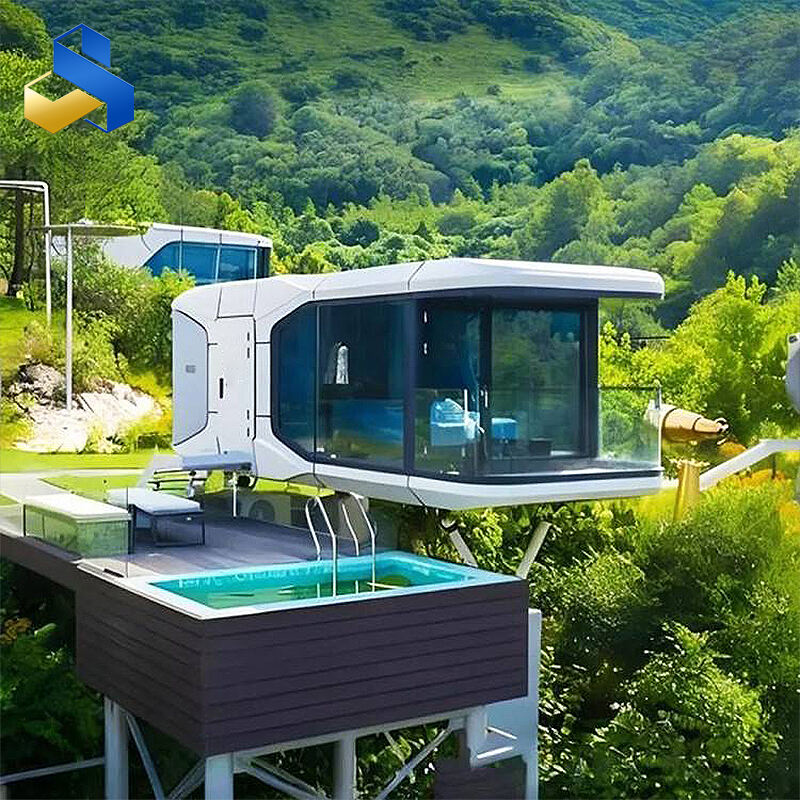
Built-in storage solutions to enhance space-efficient interior design
The space capsule cabin design actually gives about 72 percent more usable area compared to regular setups because it incorporates smart storage solutions throughout. The walls are lined from floor to ceiling with cabinets that have pull out drawers and secret compartments everywhere, making good use of all that vertical space without messing up the clean look of the room. Those wall niches aren't just for showing off stuff either they also hide appliances so there's no need for separate furniture pieces taking up precious floor space in small apartments. These custom built ins have gone into around 300 city homes since last year according to the latest data, which shows people really like them and that the concept works well across different living situations too.
Modular furniture and convertible elements in space capsule cabins
Spaces that can be rearranged turn regular rooms into different areas almost instantly these days. Take fold down desks for instance they work just fine as places to eat dinner too. Some ottomans come packed with hidden storage compartments inside them and when guests come over they simply pile up to make extra seats available. The latest wave of modular furniture includes built in wireless charging spots along with seats that adjust according to how someone sits. According to research from Urban Housing Institute back in 2023, this kind of setup cuts down on all those scattered gadgets by about forty one percent in small apartments. What really matters though is how flexible these spaces become for people living there. A family growing bigger? No problem. Need home office space suddenly? Just move things around.
Integration of home office and guest room functions in minimal footprints
The Murphy bed with its built-in folding desk lets people turn their office during the day into sleeping quarters at night. Sliding panels that absorb sound give workers some privacy when needed but don't block off the space completely, so the open feel remains intact. There's this cool 14 square meter prototype in Tokyo that packs everything together really smartly. It has a bed that slides away when not in use, monitors mounted on the walls, and plenty of storage underneath the floor for bags and stuff. All this fits into just one small area while still managing to handle four different purposes: working, resting, meeting guests, and even having fun sometimes.
Optimizing Lighting, Ventilation, and Well-Being in Compact Homes
Layered Lighting Design for Small Rooms and Capsule Interiors
Lighting inside capsule spaces typically follows three main approaches ambient, task oriented, and accent lighting. Most designers install recessed lights in ceilings combined with adjustable LED strips for general illumination. Work areas benefit greatly from lighting underneath cabinets that cuts down on those annoying shadows when someone is trying to work. Some architects also incorporate vertical lighting elements along walls which makes rooms feel bigger than they actually are. According to various studies, these multi layer lighting systems can make small spaces appear up to half again as large as traditional single point lighting arrangements. The difference is pretty noticeable once people get used to it.
Maximizing Natural Light and Ventilation in Space Capsule Cabins
Windows covering 60—75% of wall surfaces optimize daylight penetration while maintaining structural integrity. Opposing casement windows generate cross-ventilation that refreshes air 2.8 times faster than mechanical systems in equivalent volumes. Lightwell shafts with prismatic glazing distribute sunlight deeper into narrow layouts, achieving over 70 lux even in central zones of 120 sq ft units.
Innovative Window Placement and Reflective Surfaces for Spatial Comfort
When angled clerestory windows are combined with this special microprismatic film stuff, they actually spread light around much better than regular vertical windows do. The improvement is pretty significant too, somewhere around 55% more dispersion. Then there are these wall panels made from polycarbonate with a metallic finish that bounce back about 92% of incoming light. Plus they help block out noise, which is great news for people living or working in busy city environments where sound pollution can be a real problem. Overall, buildings that incorporate these kinds of optical tricks need their electric lights turned on for roughly 6 hours less each day in moderate weather conditions. This not only saves energy but also helps people feel better during the day and sleep better at night because our bodies naturally respond to changes in light levels throughout the day.
FAQ
What is a space capsule cabin?
A space capsule cabin is a compact, modular housing solution designed for urban environments. These cabins optimize space efficiency with smart design strategies such as vertical integration and modular clustering.
Why are space capsule cabins gaining popularity in urban areas?
Space capsule cabins are gaining popularity due to increasing urban density, high rental costs, and the demand for affordable, environmentally-friendly living spaces. They offer flexible and efficient living solutions for millennials and Gen Z residents.
How do space capsule cabins contribute to sustainability?
These cabins utilize sustainable materials like recycled steel and cross-laminated timber. They often have solar panels and geothermal heating, reducing reliance on traditional electricity grids and efficiently managing water resources through rainwater collection and graywater recycling.