
 EN
EN
The Rise of Expandable Container Houses as a Sustainable Housing Solution
How Urbanization and Housing Demand Are Driving Innovation
The rapid growth of cities around the world is making the housing problem worse day by day. According to UN-Habitat data from 2023, nearly two thirds of people will be living in urban areas by mid century. With so many people moving into cities, plus the fact that building materials keep getting more expensive and environmental issues are becoming harder to ignore, there's been a real push towards expandable container houses lately. These modular systems can fit into tight spaces while still being fully functional. Many architects are starting to incorporate sliding walls and fold away sections to get more usable space out of limited footprints, which helps tackle both the problem of crowded cities and the need for affordable housing options. A recent report from Instant Living in 2024 found that these types of homes actually take about 40% less time to construct compared to traditional methods, making them practical solutions for places struggling with overpopulation.
Repurposing Shipping Containers: From Cargo to Contemporary Living
Every year around 17 million old shipping containers just hang around in ports worldwide, creating what amounts to about 2.4 million tons of unused steel according to World Shipping Council numbers from 2023. Smart folks are finding ways to turn these giant metal boxes into living spaces by adding better insulation and making careful cuts where needed. A single repurposed container actually saves around 3,500 kg of CO2 compared to building something from scratch with bricks and mortar, something Elite Nest pointed out when they looked at how container homes have changed over time. What we get are houses that can withstand bad weather and stay solid for years, keeping all that original strength but also getting updated with trendy stuff like bamboo floors and those paints that don't release harmful chemicals inside.
Global Trends and Real-World Applications in Eco-Communities and Disaster Relief
Take a look at Sweden's ReTuna Återbruksgalleria shopping complex built completely out of old shipping containers, or those typhoon proof villages popping up across the Philippines these days. Expandable building units really show what they're capable of. Organizations such as ShelterBox have been putting these modular spaces to good use after disasters, setting up temporary medical facilities within hours thanks to how easy they are to transport and assemble. Some folks living in eco villages even go the extra mile by installing solar panels on their rooftops while adding vertical gardens on walls, creating homes that actually produce more energy than they consume. And it's not just happening here and there anymore either. According to Grand View Research from 2024, this kind of prefabricated housing is growing at around 22% each year across no less than 53 different countries worldwide.
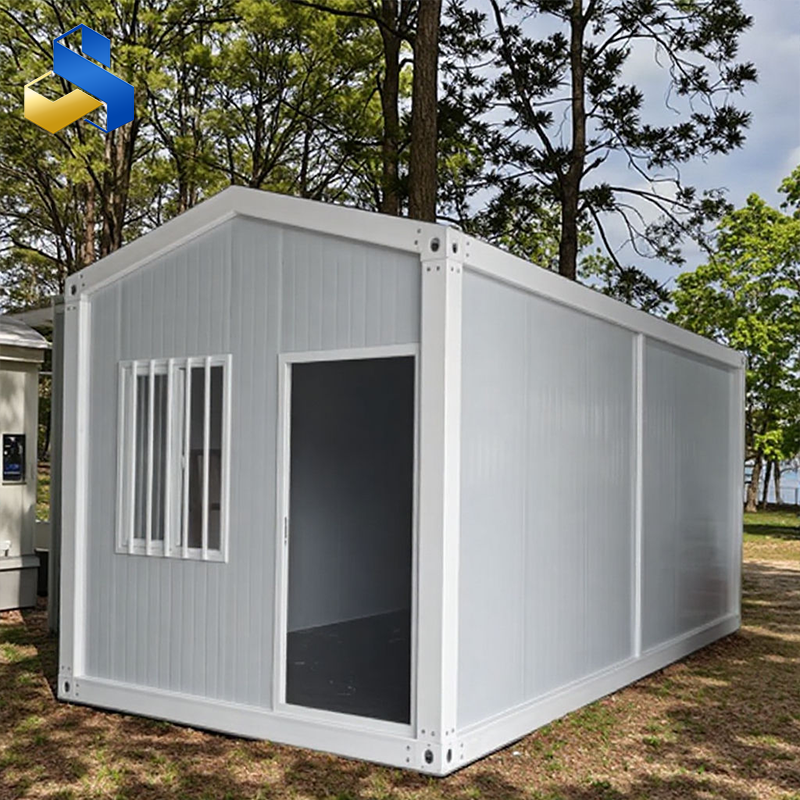
Environmental Benefits and Sustainability of Expandable Container Homes
Reducing Construction Waste Through Steel Reutilization
Container homes made from old shipping containers help cut down on construction waste big time. Each converted container keeps about 3,500 kilograms of steel out of landfills instead of letting it pile up there. Research from the Circular Economy Institute in 2024 suggests that when builders reuse steel like this, they need roughly 97 percent less raw materials than what's typical with regular building frames. There are literally hundreds of thousands of these containers sitting around unused all over the world right now. Turning them into homes makes sense both environmentally and practically since they're already strong enough to stand on their own without needing extra support structures. This means construction companies can save a lot on materials during the conversion process, sometimes cutting usage down by as much as half.
Lower Carbon Footprint Compared to Traditional Construction
Studies show that building modular container homes creates about 43 percent less carbon dioxide emissions compared to regular stick built houses. The European Construction Institute did these life cycle analyses back in 2023. Why such a big difference? Well, these container homes don't need those heavy concrete foundations most houses require. Instead they use pier and beam systems. Most of the actual building happens off site too – around 85% gets done in factories before anything arrives at the property. And each 40 foot container saves roughly 2.8 tons of wood compared to traditional methods. Plus there's something else worth mentioning about transportation. Because containers can be stacked so efficiently, one truck can carry between four and six units at once. That makes them twice as efficient for transport compared to standard prefabricated housing modules.
Debunking the Myth: Are All Container Homes Truly Eco-Friendly?
Container houses do cut down on material waste pretty significantly, but how green they actually are depends a lot on how well they're retrofitted. If the insulation isn't good enough, energy consumption jumps around 22% in moderate weather areas according to recent UNEP guidelines from last year. The really eco-friendly ones have stuff like low VOC insulation that works with steel structures, ventilation systems that mix natural airflow with heat recovery tech, and roofs ready for solar panels once structural calculations show they can handle the weight. Industry reports from 2024 indicate most container homes now hit Energy Star standards when using safe materials and green power solutions. That's actually a pretty impressive jump compared to just four years ago when only about half met those same requirements.
Energy Efficiency and Integration of Green Technologies
Solar Power Systems for Off-Grid and Sustainable Living
Container homes are really good at incorporating solar power systems which helps them achieve energy independence. When we put PV panels on the roof along with lithium ion batteries, people living in areas with lots of sunshine can cut down their reliance on the main electricity grid by around three quarters, as found in some recent research from last year about renewable energy possibilities. The smart inverters help manage how energy gets used throughout different parts of the house including lights, kitchen stuff, and heating/cooling systems. In cities where folks want to live without being connected to the grid, many builders now prefer these special two sided solar panels that actually capture extra sunlight bouncing off buildings and streets. This gives them about 12 to maybe even 15 percent more power than regular panels do.
Rainwater Harvesting and Efficient Water Management
Container homes with their corrugated metal roofs actually work really well for collecting rainwater. A standard 40 foot container can gather somewhere between 600 to 800 gallons each year when it rains moderately in the area. Most modern setups now come with first flush diverters and UV filters so the collected water meets World Health Organization standards for drinking purposes. And let's not forget about graywater recycling either which cuts down on fresh water usage by around 40% to maybe even 60% for things like watering plants and flushing toilets. According to some numbers released in the latest Water Efficiency Report from 2024, families who install these kinds of closed loop systems typically save anywhere from $300 up to $500 a year on their city water bills.
Thermal Insulation and Passive Climate Control in Steel Structures
Steel has long struggled with heat transfer issues, but new insulation tech is changing that game. Spray foam with an R-value around 6.5 per inch works great for sealing those pesky gaps in walls. Some wallboard products now include phase change materials that basically absorb and release heat as needed, helping keep things stable. And let's not forget about those green roofs sticking out over buildings which cut down on summer sun exposure by nearly two thirds according to some tests. Research from MIT back in 2022 showed something pretty impressive too. When applied to expandable container housing, all these insulation methods together meant people could stay comfortable inside while using anywhere between 35 to almost half the energy compared to regular wooden houses located in the same area. Makes sense when you think about it really.
Design Flexibility and Customization Options for Modern Living
From Single Units to Expandable Multi-Container Complexes
Expandable container houses come in all sorts of sizes, from tiny 20 foot studios right up to massive multi-level spaces over 400 square feet. These aren't your regular houses stuck in one shape forever. Families can actually watch their home grow alongside them. Some builders stack containers vertically, making two or three stories in tight city areas where land is scarce. Others expand horizontally with sliding sections that basically triple the living area when needed. There are even mixed setups where parts stay permanent but others get removed during different seasons. Look at what some companies have done recently. They started with just one container and then added rooms bit by bit, complete with working electricity and plumbing throughout. This flexibility works great for people who want simple living spaces now but might need more room later on. Plus, building times cut down about 60 percent compared to normal house construction methods, which saves everyone time and money.
Blending Industrial Materials with Contemporary Aesthetics
Modern container homes artfully balance raw industrial elements with warmth through thoughtful design contrasts:
| Industrial Feature | Design Counterbalance |
|---|---|
| Corrugated steel walls | Reclaimed wood cladding |
| Exposed structural beams | Floor-to-ceiling glass panels |
| Metal entryways | Living green walls |
As highlighted in recent modular construction studies, over 78% of homeowners now prioritize customizable finishes like bamboo flooring and energy-efficient glazing. This fusion creates spaces where brushed nickel fixtures coexist with smart home technology, proving sustainability doesn’t require sacrificing style.
Cost-Effectiveness and Affordability of Expandable Container Housing
Low-Cost, Sustainable Housing Solutions for Underserved Communities
Container houses that expand offer modular living spaces at about 20 to 50 percent cheaper than building from scratch. The basic versions come in below fifty grand, and they scale up nicely whether someone needs housing for one family or multiple households together. When we look at areas where people really need affordable options, saving around seven hundred forty thousand dollars on a hundred unit project makes a huge difference compared to regular apartments. That money goes toward things like better roads or putting solar panels on rooftops instead. These containers just naturally cut down on wasted materials and labor costs because everything fits together so well. According to some research published last year, building with containers finishes about thirty eight percent quicker and burns sixty percent less energy onsite than traditional methods do. No wonder why cities hit by disasters or looking to fill empty lots are turning to these solutions more often nowadays.
Long-Term Savings Through Durability and Energy Efficiency
Made with corrosion resistant steel, expandable container homes can handle pretty much any weather thrown at them and need about 70% less maintenance compared to traditional wood frame houses after 25 years. The energy efficiency aspect really adds to those savings too. Triple glazed windows along with spray foam insulation means heating and cooling costs drop around 30 to 40% each year. Homes ready for solar panels on the roof can slash electricity bills by as much as 72% where there's plenty of sunshine. Plus, water recycling systems manage to reuse roughly 80% of greywater. Throw in the fact that these steel structures last well over 50 years, almost twice as long as regular homes, and it all adds up. According to Ponemon Institute research from 2023, the average family ends up saving about $217,000 across the life of their home.
FAQ
What are expandable container homes?
Expandable container homes are modular housing solutions created by repurposing old shipping containers. They can be customized and expanded to meet diverse living requirements and are designed for sustainability and efficiency.
How do container homes contribute to sustainability?
Container homes reduce construction waste by utilizing old shipping containers, cut carbon emissions with off-site assembly, and support eco-friendly technologies like solar panels and rainwater harvesting.
Are container homes energy-efficient?
Yes, when properly retrofitted with insulation and green technologies, container homes can save energy and reduce reliance on traditional power sources while offering comfort and sustainability.
What is the cost advantage of container homes?
Container homes are typically 20% to 50% cheaper than traditional homes, and they offer long-term savings in terms of maintenance, energy consumption, and overall durability.
Table of Contents
- The Rise of Expandable Container Houses as a Sustainable Housing Solution
- Environmental Benefits and Sustainability of Expandable Container Homes
- Energy Efficiency and Integration of Green Technologies
- Design Flexibility and Customization Options for Modern Living
- Cost-Effectiveness and Affordability of Expandable Container Housing
- FAQ