
 EN
EN
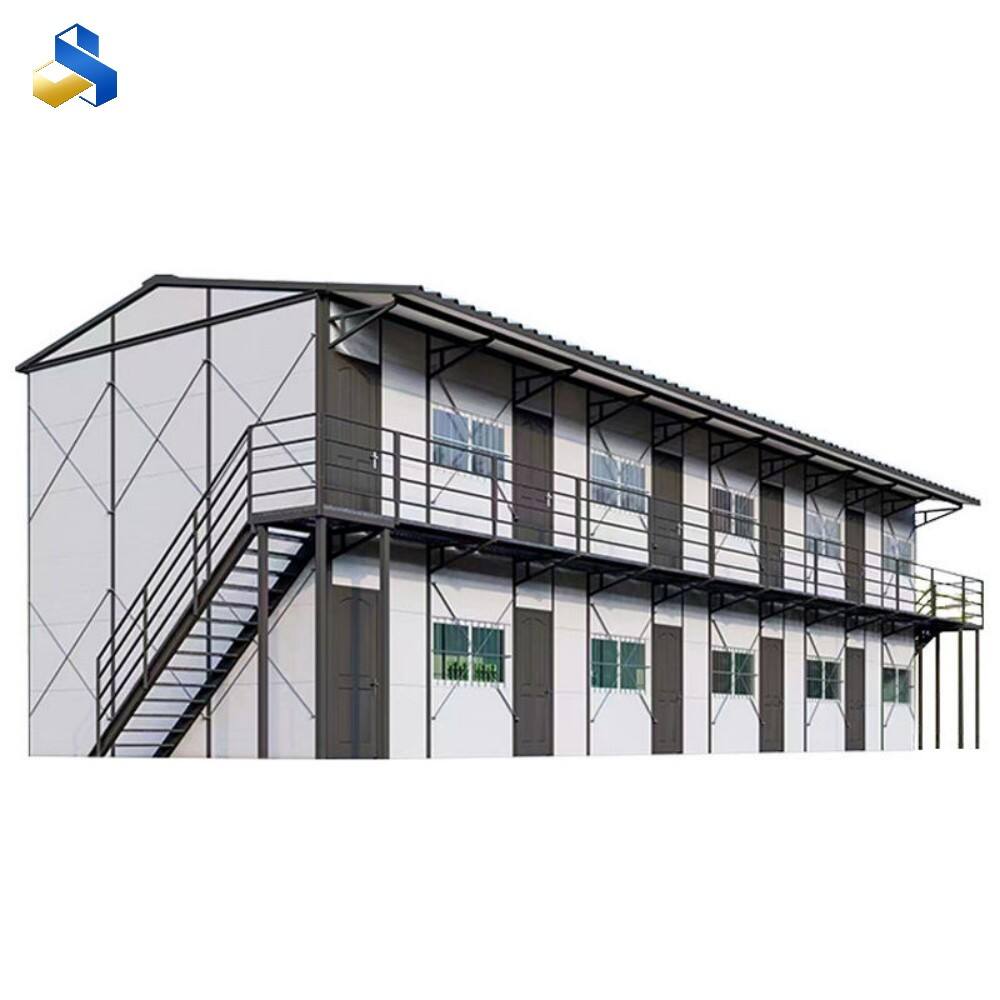
What Is an Expandable Container House? Understanding the Modern Modular Solution
Expandable container houses represent a clever twist on housing solutions, made possible by taking old shipping containers and making them bigger in all sorts of ways. The magic happens through some pretty smart engineering tricks that let these boxes stretch out vertically or horizontally, turning what was once just a box full of cargo into something much more livable and versatile. What makes this approach so appealing is how flexible it actually is. Families can grow their living space when needed, maybe adding an extra bedroom for kids or creating a dedicated work area for someone running a small business from home, all without tearing things apart and starting over from scratch.
Core Features: Modularity, Scalability, and Demountability
- Modular design enables combining multiple containers for custom layouts.
- Scalability lets homeowners increase living space incrementally.
- Demountability simplifies relocation, making these homes ideal for temporary housing or remote locations.
How Prefabrication Streamlines Construction and Reduces On-Site Labor
More than 80 percent of building work happens inside factories these days, which cuts down on weather related delays and wasted materials. When companies install things like wiring, pipes, and insulation before shipping modules to site, they actually save between 40 to 60 percent on labor costs according to recent data from Modular Building Institute folks back in 2023. The time savings are pretty impressive too. Take for instance those expandable container homes that people love so much lately. A standard 1,200 square foot unit typically arrives at its destination ready to go and gets put together within just about 30 days flat.
Key Benefits of Expandable Container Houses: Flexibility, Durability, and Fast Deployment
Customizable Layouts and Design Flexibility for Residential or Commercial Use
Homes built with modular designs can really meet all sorts of living requirements. Think about slide out bedrooms when space gets tight, those clever folding partitions that turn into home offices during work hours, or even stackable sections perfect for temporary retail spaces at markets. Traditional houses just don't offer this kind of flexibility. With these modern structures, people can actually make changes after everything's already set up. Imagine someone buying a small 400 square foot apartment as their starter place, then adding on extra space later without tearing anything down or dealing with endless paperwork for permits. The expansion happens through those cool telescoping wall systems that just extend outward like magic.
Engineered for Durability: Performance in Extreme Weather and Diverse Terrains
Constructed primarily from corten steel featuring extra reinforcement at critical joints, these buildings can handle wind speeds reaching 120 mph according to ASTM E330-21 standards, plus they're built to endure snow loads as heavy as 35 pounds per square foot. The rust resistance of the exterior combined with raised foundation design makes them suitable for pretty much anywhere - whether it's salty air near the coast, steep mountain terrain, or dry desert conditions. Testing by third parties indicates these structures last around 50 years when given routine upkeep. That's actually three times longer than what most wood frame tiny houses manage over similar periods, making them a smart investment for long term use.
Rapid Installation and Mobility Advantages Over Traditional Construction
Getting a 1,200 square foot living space up and running takes just 14 days, which stands in stark contrast to the typical 6 to 8 month timeline for traditional construction projects. The magic happens through precision manufacturing techniques where things like electrical wiring come already connected and insulation gets installed at the factory rather than onsite. Some recent research from last year looked into these temporary housing options and found something pretty impressive: construction teams needed only about 28% of the labor force they usually do when building similar structures the old fashioned way. What makes these units really stand out though is their mobility factor. They can be taken apart and moved somewhere else within two days flat, making them perfect for situations where workers need temporary accommodations that change locations regularly or areas hit hard by natural disasters where quick response matters most.
Scalability for Expanding Families, Rental Units, or Emergency Housing Needs
What many don't realize is that one standard 20 foot shipping container can actually transform into a full three bedroom home when combined with both vertical stacking and horizontal expansion modules. Construction firms have started leveraging this flexibility for staged developments. Take for instance how some operators begin with just six containers as a small boutique hotel setup, then gradually add another fourteen units when tourist numbers spike during high season months. This kind of modular thinking has proven invaluable during emergencies too. After those devastating earthquakes hit Turkey last year, relief organizations rolled out these expandable container clusters to emergency sites, effectively multiplying available shelter space by three times what was there before. According to recent reports on building adaptability, such flexible designs help avoid those nasty land use disputes that often plague construction projects in crowded city centers or protected natural habitats where traditional buildings would simply not work.
Cost-Effectiveness and Long-Term Value of Expandable Container Homes
Lower Upfront Costs Compared to Site-Built Homes
Expandable container houses eliminate extensive foundation work and reduce material waste, resulting in upfront costs 40—60% lower than traditional construction. Modular factories optimize material purchases—steel framing and prefabricated panels cut raw material expenses by up to 35%, while reduced on-site labor slashes budgets by 50%.
Savings on Labor, Materials, and Transportation Through Modular Production
Centralized manufacturing minimizes waste via precision cutting and bulk purchasing. Off-site production reduces construction debris by 78% (Modular Building Institute, 2022) and enables consolidated shipping—one delivery of a fully assembled module costs 30—45% less than transporting raw materials for conventional builds. Factories also reuse excess steel from modifications, further lowering costs.
Return on Investment: Resale Value and Rental Income Potential
Due to their durability and adaptability, expandable units retain strong value. Homeowners repurpose them as vacation rentals, backyard offices, or multi-generational suites, achieving ROI in 3—5 years through rental income averaging $1,200—$2,500/month (AirDNA, 2023). Pre-owned expandable homes resell at 85—95% of their original value after 8—10 years—outperforming traditional homes in depreciating markets.
Sustainability Advantages of Expandable Container Houses
Recycling Shipping Containers to Reduce Steel Waste and Environmental Impact
Each reused 40-foot container prevents approximately 3,500 kg of COâ„¢ emissions typically generated during steel production. By repurposing retired shipping containers, this approach diverts over 1 million tons of steel annually from scrap yards. With 97% of materials recyclable at end-of-life, it aligns with global construction waste reduction goals.
Energy-Efficient Designs with Solar Readiness and Green Technology Integration
Modern units feature 360° insulation with R-15+ ratings and passive solar orientation. Over 62% of manufacturers prewire for photovoltaic panels and rainwater harvesting, reducing grid dependence by up to 40%. These energy performance features help occupants save $380—$600 annually on utilities while maintaining comfort across extreme temperatures (-30°F to 120°F).
Minimized Construction Waste Through Off-Site Manufacturing
Factory production eliminates 83% of jobsite debris through precision cutting and recycling of fabrication scraps. Modular assembly generates 90% fewer air pollutants than traditional construction and completes projects 50% faster. This process avoids the 8,000 lbs of waste typical in stick-built home construction, offering a cleaner solution for eco-conscious buyers.
Market Trends and What to Consider When Buying an Expandable Container House
Growing Global Demand in Urban Infill, Rural Housing, and Disaster Relief
Market growth looks set to hit around 10 to 12 percent annually until 2030 according to LinkedIn data from last year. A bunch of factors are pushing this forward including cities expanding, not enough homes in the countryside, and people being displaced because of climate issues. City governments have started putting these buildings first when filling empty spaces within urban areas. At the same time, non profit organizations are getting them out there quickly after disasters strike since they can be assembled fast and moved easily. For folks living outside major population centers, these modular solutions help bridge the gap where traditional housing options fall short, offering something budget friendly that works without needing constant access to power grids.
Evaluating Quality: Materials, Insulation, and Compliance With Local Building Codes
Choose containers made from weather-resistant corten steel and verify ISO certification. Insulation quality is critical—look for R-values ⥠15. Ensure compliance with local seismic, wind, and snow load requirements. Industry experts recommend third-party structural audits, noting that 83% of post-installation issues stem from improper code adherence (Industry Experts 2025).
Choosing a Manufacturer: Customization Options, Warranty, and After-Sales Support
Select manufacturers offering CAD-based design tools for visualizing configurations. Compare warranty terms—leaders provide 10+ years on structural components versus the 5-year industry average. Confirm access to technical support for on-site adjustments, as 67% of buyers require assistance during foundation setup.
Delivery, Installation Timelines, and Site Preparation Requirements
Standard delivery takes 6—8 weeks after design approval. Sites need leveled gravel foundations—or concrete piers on slopes—and utility hookups within 50 feet. Most installations take 3—5 days using cranes, though remote locations may extend timelines by 30%. Always conduct geotechnical surveys if soil stability is uncertain.
FAQ
What is an expandable container house?
An expandable container house is a modern housing solution that uses old shipping containers, engineered to expand vertically or horizontally, providing flexible and versatile living spaces.
How are expandable container homes assembled?
Expandable container homes are largely prefabricated in factories, where elements like wiring, pipes, and insulation are installed before shipment. This allows for fast on-site assembly within 30 days.
What are the main benefits of expandable container houses?
Major benefits include flexibility in design, durability against harsh weather conditions, fast deployment, and cost-effectiveness compared to traditional constructions.
How does prefabrication affect the cost and labor of building container homes?
Prefabrication significantly reduces material waste and labor costs, cutting up to 60% of expenses as construction occurs off-site and involves fewer workers.
Are expandable container homes environmentally friendly?
Yes, they recycle shipping containers, minimize construction waste, and many units are prewired for solar panels and rainwater harvesting, reducing environmental impact.
Can these container homes be customized?
Yes, modular design allows for customizable layouts and flexibility in use for both residential and commercial purposes.
What do I need to consider when purchasing an expandable container home?
Consider materials quality, compliance with local building codes, warranty, after-sales support, and installation site requirements.
Table of Contents
- What Is an Expandable Container House? Understanding the Modern Modular Solution
-
Key Benefits of Expandable Container Houses: Flexibility, Durability, and Fast Deployment
- Customizable Layouts and Design Flexibility for Residential or Commercial Use
- Engineered for Durability: Performance in Extreme Weather and Diverse Terrains
- Rapid Installation and Mobility Advantages Over Traditional Construction
- Scalability for Expanding Families, Rental Units, or Emergency Housing Needs
- Cost-Effectiveness and Long-Term Value of Expandable Container Homes
- Sustainability Advantages of Expandable Container Houses
-
Market Trends and What to Consider When Buying an Expandable Container House
- Growing Global Demand in Urban Infill, Rural Housing, and Disaster Relief
- Evaluating Quality: Materials, Insulation, and Compliance With Local Building Codes
- Choosing a Manufacturer: Customization Options, Warranty, and After-Sales Support
- Delivery, Installation Timelines, and Site Preparation Requirements
-
FAQ
- What is an expandable container house?
- How are expandable container homes assembled?
- What are the main benefits of expandable container houses?
- How does prefabrication affect the cost and labor of building container homes?
- Are expandable container homes environmentally friendly?
- Can these container homes be customized?
- What do I need to consider when purchasing an expandable container home?