
 EN
EN
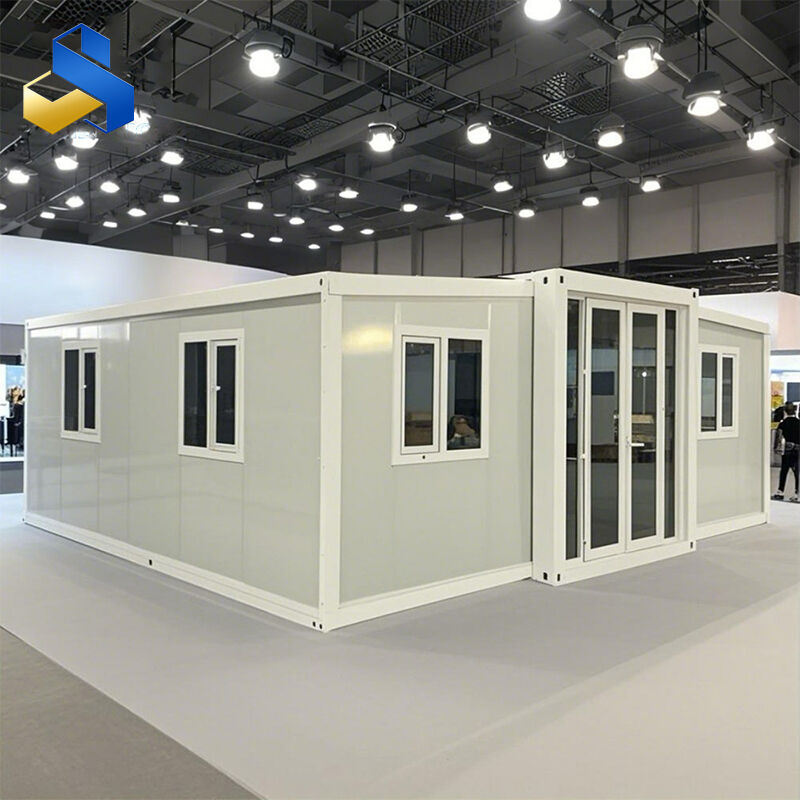
Parametric Modeling and Standardized Customization with BIM
Building Information Modeling (BIM) revolutionizes expandable container house design through parametric modeling—enabling architects to create scalable, repeatable unit designs that adapt to diverse site constraints while maintaining structural integrity. By defining adjustable parameters for dimensions, materials, and connection types, designers rapidly generate variations without rebuilding models from scratch.
Leveraging parametric components for scalable, repeatable yet adaptable unit designs
Think of parametric components as smart building blocks for architects. When someone changes something simple like wall thickness or moves a window in one part of the design, everything else connected to it gets updated automatically. This helps keep things consistent throughout the project but still allows plenty of room for custom touches. Really important stuff when working on those big container complexes with multiple units that need to fit together perfectly. A recent report from NBS back in 2023 showed some pretty impressive numbers too. Their research found that using parametric BIM instead of old school CAD methods cuts down on design mistakes by almost 40%. That kind of error reduction makes a huge difference in real world projects where mistakes can be costly and time consuming to fix later on.
Digital libraries of container interfaces, expansion mechanisms, and structural connections
BIM libraries that are centralized contain components that have been validated beforehand and follow standards specifically for expandable homes. These include things like sliding joints that allow for horizontal expansion, connectors between modules for electricity and plumbing, plus structural reinforcements that can be folded away when not needed. When designers work on these projects, they simply drag and drop the certified parts into their designs. This approach cuts down on manual detailing work by around 60 or 70 percent according to industry reports, which means fewer errors during fabrication of those expansion elements. The whole system creates a nice balance between allowing custom features while still keeping manufacturing processes efficient enough to produce truly unique homes from repeatable parts that are engineered with precision.
Clash Detection and Virtual Prototyping for Constructability Assurance
Cross-disciplinary clash detection in prefabricated expandable modules (structure, MEP, envelope)
When we automate clash detection using BIM technology, it helps catch those expensive spatial problems in expandable container houses way before anyone starts building. The process brings together all the different systems - structural stuff, mechanical parts, electrical wiring, and plumbing (what we call MEP systems) - into one big digital model. This lets designers spot where pipes might cross paths with ducts or where supports clash with insulation layers. These issues matter a lot in tight spaces like collapsible modules since overlapping components can really mess up installation efforts. Fixing these problems while still in the design phase saves tons of money compared to dealing with them on site. Industry numbers from 2023 show rework costs anywhere between $5,000 to $15,000 per unit when clashes aren't caught early. With expandable housing units specifically, BIM checks where conduits and brackets should go relative to structural elements at those collapsible joints and expansion points. This makes sure everything fits together smoothly and ready for actual fabrication without last minute surprises.
Validating expansion sequences, joint tolerances, and deployment logic via virtual prototyping
Virtual prototyping allows engineers to simulate the entire expansion process testing things like slide out mechanisms, unfolding floor plates, and both hydraulic and geared systems when exposed to actual conditions including wind loads and thermal expansion effects. Digital validation methods can measure how tight joints need to be with pretty accurate measurements down to the millimeter level, making sure connections stay intact throughout movements without getting stuck or misaligned. According to a recent 2024 study in the prefab industry, these kinds of simulations cut down on site failures by around 47 percent simply because they catch problems before construction even starts. When running simulations repeatedly, engineers can fine tune how modules deploy one after another while checking if seals work properly and if different parts connect reliably once everything expands. This whole process turns what was just paper design into something that actually works well in real world situations.
Federated BIM Integration for End-to-End Precision Across the Build Process
Coordinating MEP, structural, and expansion-system models in a shared federated environment
Federated BIM brings together mechanical, electrical, plumbing (MEP), structural work, plus expansion systems into one shared digital space where everyone can see what's going on in real time. When different teams stop working in isolation, they start talking to each other about how everything fits together. This matters a lot when building those expandable container houses because every pipe, wire, and support beam needs to fit just right. According to data from NBS last year, using this approach cuts down mistakes during manufacturing by around half. Why? Because the software automatically checks how modules connect and expands. The system also looks at stress points between parts with incredible precision, something absolutely necessary for making sure things hold up once installed. All this information gets stored centrally so fabricators get clear instructions that match exactly what workers need to assemble onsite without surprises.
Fabrication-Ready Outputs and On-Site Accuracy from BIM for Expandable Container Houses
Building Information Modeling (BIM) changes how we approach expandable container houses because it creates ready-to-fabricate outputs that help manufacturers produce components with near perfect dimensions. These days factories rely heavily on CNC machines to slice through structural pieces, walls, and connectors straight from BIM files. This basically gets rid of those pesky manual measurements that often lead to expensive mistakes needing correction later. When everything fits together just right at the job site, especially important for those folding mechanisms where even a tiny 2mm gap could stop the whole expansion process dead. Another big plus comes from having all the electrical, mechanical and plumbing systems pre-routed inside factory made modules. This saves tons of time installing stuff since there's no chance of pipes running into wires or getting tangled up with moving parts. Overall results speak for themselves: about 30 percent quicker setup times and roughly 90 percent fewer adjustments needed out in the field compared to old school methods. What used to be complicated on site building now becomes simple connections and expansions.
FAQ
What is parametric modeling in BIM?
Parametric modeling in BIM refers to the use of adjustable parameters for dimensions, materials, and connection types, allowing designers to efficiently generate design variations without having to create new models from scratch.
How does clash detection work in BIM?
Clash detection in BIM automates the identification of spatial conflicts within a design by integrating structural, mechanical, electrical, and plumbing systems into a digital model, enabling designers to spot and resolve these issues before construction.
What benefits does virtual prototyping offer for expandable container houses?
Virtual prototyping allows engineers to simulate expansion processes, validate sequences, and test conditions like wind loads and thermal effects, reducing site failures by previewing and fixing potential deployment issues.
How does federated BIM integration enhance the building process?
Federated BIM integration allows different disciplines to coordinate MEP, structural, and expansion-system models in a shared digital environment, reducing manufacturing mistakes by maintaining consistency and accuracy.