
 EN
EN
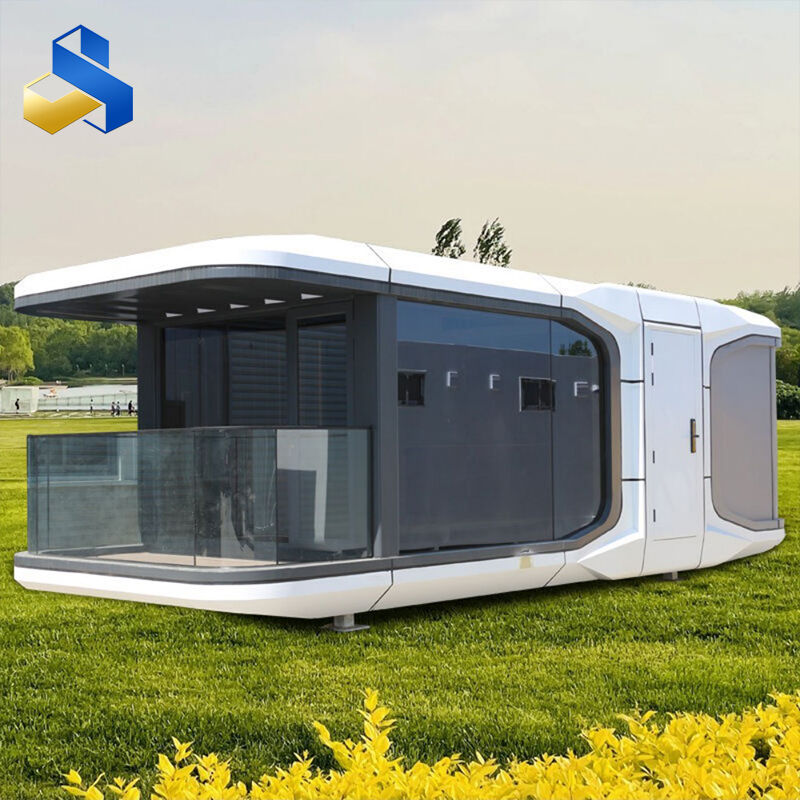
Maximize Vertical Space in a Tiny Space Capsule House
Lofts and Elevated Sleeping Zones: Structural Safety and Ergonomic Best Practices
Putting beds up high makes good sense when space is tight in those small capsule homes. The idea turns empty air above our heads into actual living space we can use. When building these loft areas, safety comes first. They need proper framing that can handle around 400 pounds including whatever someone might put on there plus their own weight. Make sure everything connects solidly to either the floor joists below or sturdy supporting walls throughout the house. Safety railings should stand between 36 to 42 inches tall to keep folks from falling off, while ladders need angles that make climbing easier with comfortable handholds spaced properly along them. Getting these details right matters a lot for both comfort and accident prevention.
- Minimum 30-inch clearance between mattress and ceiling
- Non-slip ladder treads spaced 10 inches apart vertically
- Integrated ventilation near the sleeping surface to maintain air quality
Well-designed lofts reclaim 60–70% of floor area for daytime use—making them foundational to effective space optimization in compact homes.
Wall-Mounted and Integrated Vertical Storage Systems
Vertical surfaces represent underutilized real estate in tiny space capsule houses. Floor-to-ceiling wall systems with adjustable shelving deliver up to three times the storage capacity of freestanding units—without impeding circulation. Key solutions include:
| System Type | Space Savings | Ideal Applications |
|---|---|---|
| Magnetic Panels | 100% floor preservation | Kitchen tools, accessories |
| Fold-Down Surfaces | 85% footprint reduction | Desks, dining tables |
| Recessed Cabinets | Zero protrusion | Bathroom essentials, clothing |
Sliding tracks, pivot hinges, and recessed mounting preserve clean sightlines while activating dead zones—above doorways, beneath ceilings, and alongside structural columns. This approach transforms passive walls into active organizational assets.
Deploy Multi-Functional Furniture for Tiny Space Capsule House Efficiency
Murphy Beds, Foldable Workstations, and Modular Kitchen Islands
When designing those compact space capsule houses, multi-functional furniture becomes absolutely essential. Instead of buying separate items for each purpose, smart homeowners opt for pieces that can change functions as needed. Take Murphy beds for instance. These things slide right up into specially built wall spaces, turning what was once a bedroom into something else entirely during the day. They still meet all safety requirements too. Workstations that fold away are another game changer. Just push them against the wall or hide them behind cabinets and suddenly there's more room to move around. Kitchen islands made with modular parts really stand out. Some have countertops that pop out when extra workspace is needed, others roll on wheels so they can be moved around the room, and many come with hidden storage spots for pots, pans, and utensils. All told, this approach cuts down on clutter and frees up roughly a quarter to a third of the floor space normally taken up by regular furniture arrangements. For anyone serious about making their small home work better, look for furniture with good quality moving parts, comfortable handles to grab onto, and solid weight capacity ratings since these items get used quite often throughout daily life.
Design Flexible Zoning Without Physical Barriers in a Tiny Space Capsule House
Sleeping–Working–Storage Tri-Zone Strategy Using Visual Cues and Furniture Placement
Tiny capsule houses really struggle when we put up those hard walls everywhere. Space gets wasted fast. Instead, think about creating three main areas inside your small home: one for sleeping, another for getting work done, and somewhere to stash stuff. These zones don't need actual walls but should be clearly defined somehow. Start with good furniture choices. Get a simple platform bed with built-in lights so reading at night isn't a problem. Mount a desk on the wall where natural light hits during the day. For storage? Floating shelves work great near doors or corners. They take up almost no room but hold everything from keys to mail. To separate these areas without closing them off completely, try different textures underfoot like area rugs, paint walls different colors in sections, or install spotlights pointing toward certain parts of the room. Tall bookcases or big potted plants also help divide spaces visually while still letting people see across the whole apartment. Studies show that when people organize their living spaces this way, they actually feel like there's more room available, sometimes even 25% more! This makes small homes not just look bigger but feel better to live in too.
Amplify Light and Perception of Space in a Tiny Space Capsule House
Strategic Use of Mirrors, Light-Reflective Finishes, and Transparent Partitions
Playing with light makes all the difference when dealing with small living spaces. Tiny capsule houses benefit greatly from mirrors placed across from windows or lamps since they bounce around the available light and create an illusion of more room. Research published in the Journal of Environmental Psychology back in 2022 showed that good mirror placement can actually make a space feel 30% bigger than it really is. To get even better results, try using wall paints with a satin or eggshell finish instead of glossy ones. Small touches like adding some metallic trim here and there also help spread out the light throughout the space. When dividing up different areas without blocking views, glass panels work wonders. Just imagine putting up a clear divider between where someone sleeps and their work area. The whole place stays open and airy despite being physically separated. What these tricks show us is that how big something feels has nothing to do with actual measurements on paper. Smart choices about lighting and materials transform cramped quarters into places that feel spacious, peaceful, and totally suitable for everyday living.
FAQ
What is the importance of using lofts in a space capsule house?
Lofts help maximize the vertical space by converting unused air space above into living areas, optimizing the limited floor space available in small capsule homes.
How can vertical storage systems benefit small homes?
Vertical storage systems increase storage capacity by utilizing wall space. Floor-to-ceiling shelving can enhance storage by three times compared to standalone units.
Why is multi-functional furniture recommended for space capsule houses?
Multi-functional furniture, such as Murphy beds and foldable workstations, helps reduce clutter and maximizes floor area by serving multiple purposes.
What are effective ways to divide space without physical barriers?
Using visual cues like textures, colors, lighting, and strategic furniture placement can define different living areas without using walls.
How can light be used to enhance the perception of space?
Strategic mirror placement, light-reflective finishes, and transparent partitions can amplify natural light and make spaces feel larger without changing their actual size.