
 EN
EN
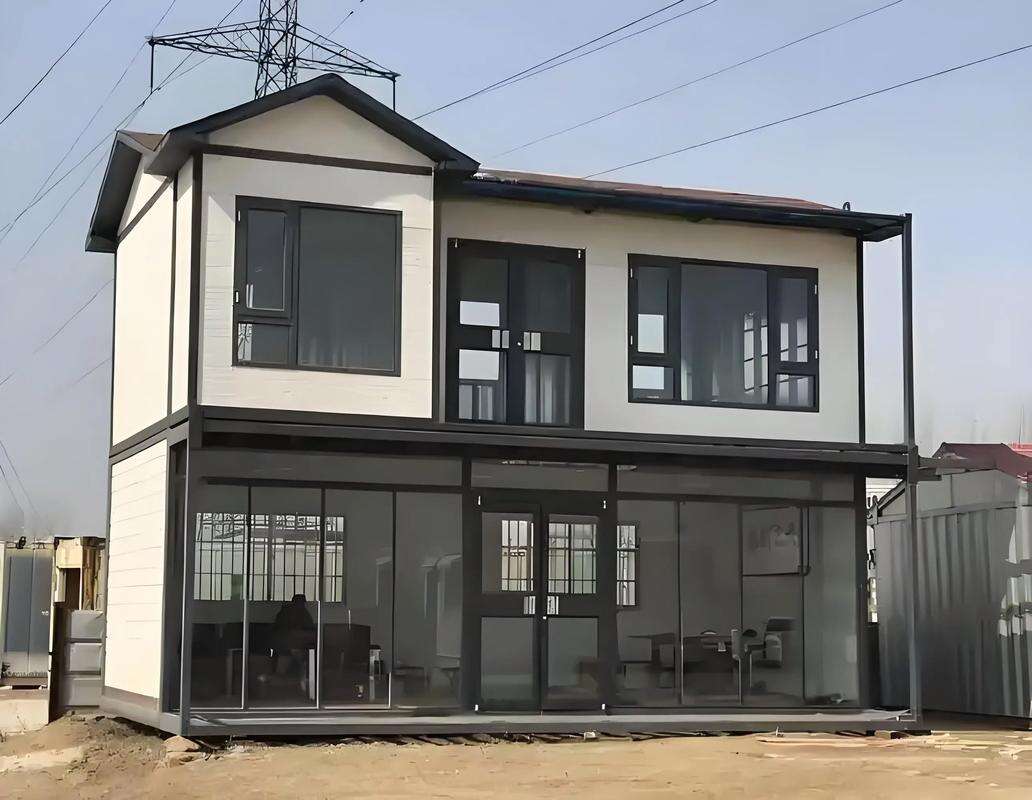
Parallel Workflows: How Off-Site Fabrication Cuts Total Project Time
Simultaneous Foundation Work and Module Production in Climate-Controlled Factories
In traditional building methods, everything happens in order: first comes the foundation work, then comes framing. But when it comes to modular prefab container houses, things work differently. Site workers get busy laying down those concrete bases while factory staff are already putting together the various sections at the same time. These factories have controlled environments so they don't have to worry about bad weather stopping progress. The result? Projects finish much faster than regular construction jobs, often cutting down timelines anywhere between a third to half the usual timeframe. Computer numerical control machines do all the cutting with incredible accuracy down to the millimeter mark, which means fewer mistakes happen during actual construction. Since manufacturing isn't tied to unpredictable weather conditions or complicated scheduling issues among different trades, there's usually no waiting around once foundations are done. Modules arrive just in time for cranes to lift them into place and snap everything together pretty much right away.
Elimination of Weather-Related Delays Through Controlled Manufacturing Environments
According to Engineering News-Record from last year, about 45 percent of construction delays come down to bad weather. That's where modular prefab container homes really shine because they sidestep this problem completely. All those structural parts plus the electrical, plumbing, and HVAC systems get assembled inside factories where temperature and humidity stay consistent throughout the year. While crews outside are waiting for rain to stop or snow to melt, these indoor operations keep moving forward without interruption. The controlled environment means no water damage to building materials either, which saves money in the long run. Plus workers aren't dealing with dangerous ice patches or sweltering heat that can cause accidents. When projects need completion fast, such as after natural disasters or when setting up facilities in remote areas, getting those modules delivered on schedule makes all the difference in the world.
Standardization & Precision: The Role of Pre-Engineered Modular Prefab Container House Components
How Reusable Designs, CNC Fabrication, and Interchangeable Interfaces Accelerate Assembly
When construction becomes standardized, it shifts away from traditional craftsmanship toward something more like manufacturing with precise assembly steps. The factory made modules come with matching connectors, standard wall panels, and consistent floor systems that just snap together on site. Computer controlled cutting machines get things right down to the millimeter, which cuts down on fixing mistakes later. Some studies from the Modular Building Institute in 2024 showed that when companies reuse their design templates, they save around 45% of the time workers spend putting things together onsite. With all these parts designed to fit together interchangeably, different crews can work on separate sections at once without running into each other's progress. And because everything is built to tight specifications, the whole structure stays strong even after being moved from factory to job site. All these efficiencies explain why modular container homes often finish between 50 and 70 percent faster than conventional builds, something contractors are starting to notice as clients demand quicker delivery times.
Onsite Efficiency: Crane-and-Connect Assembly vs Traditional Stick-Building
Reduced Labor Hours, Fewer Trades, and Minimal Onsite Coordination for Modular Prefab Container House Projects
Building modular prefab container houses can slash the need for on site workers by around thirty to fifty percent. When all those mechanical, electrical, and plumbing systems get put together back at the factory first, there's just not as many specialized tradespeople needed out in the field. No more waiting for electricians and plumbers to coordinate their schedules, something that often holds up regular construction jobs for weeks. The whole crane and connect method basically needs nothing but a ready foundation and proper placement spots, which means putting everything together takes maybe a few days instead of stretching out over several weeks. According to what we see across the industry, these prefab setups cut down on those endless coordination meetings by about seventy percent and pretty much eliminate any delays caused by bad weather conditions. Since so much of the actual work happens away from the construction site itself, projects tend to sidestep that fifteen to twenty percent loss in productivity that typically plagues traditional building sites because of unpredictable weather or problems with getting different trades to work together smoothly.
| Efficiency Factor | Modular Construction | Traditional Stick-Built |
|---|---|---|
| On-site Labor Requirements | 30–50% reduction | Baseline |
| Trades Coordination Complexity | Minimal | High |
| Weather Vulnerability | Near zero | 15–20% schedule impact |
| MEP Integration Phase | Factory-completed | Onsite installation |
Real-World Validation: Timeline Data and Deployment Case Studies
3–6 Months vs. 9–18 Months: Empirical Speed Advantage of Modular Prefab Container House Builds
The numbers speak for themselves when it comes to building speed. Modular prefab container houses typically get finished within 3 to 6 months, while traditional construction takes anywhere from 9 to 18 months. That's roughly half the time needed for most standard builds. Why does this happen? Well, several factors contribute to the faster timeline. First, multiple parts can be worked on at once in factories instead of waiting for one step after another on site. Second, factory conditions allow for much greater precision than what's possible outdoors. Third, there's simply less reliance on unpredictable weather conditions that often hold things back in regular construction projects. Industry reports from 2023 show something pretty impressive too. Labor requirements dropped by around 47% thanks largely to how mechanical, electrical, and plumbing systems (MEP) are integrated during manufacturing. Standardized connections between components mean fewer problems during assembly. And of course, no more waiting around for rain to stop so work can continue. Traditional builders know all too well about schedule slips caused by miscommunication between different contractors and long waits for materials to arrive. With modular construction, these issues just don't exist in the same way. Timelines stay consistent throughout the process because everything happens under controlled factory conditions.
Puerto Rico Post-Maria: Rapid Deployment Under Extreme Time Constraints
What happened after Hurricane Maria hit in 2017 really proved the value of alternative building methods. About 70 percent of homes got wrecked, and there wasn't enough building material or workers around to fix things the usual way. That's when they started bringing in those modular prefabricated container houses. Factories back home were cranking out sturdy, up to code units even as crews cleared away all the wreckage on site. The containers arrived and went up pretty fast too, taking less than four weeks once foundations were ready. By the five month mark, nearly 3,200 families who lost their homes had somewhere safe to live again. Looking at this experience shows why modular construction works so well during emergencies. It lets manufacturers build stuff offsite while cleanup happens elsewhere, everything gets standardized, and multiple tasks can happen at once when time is against us and we need results we can trust.
FAQ
What is the main advantage of using off-site fabrication for construction?
Off-site fabrication speeds up the construction process significantly by allowing simultaneous work on foundations and modules in a controlled environment, reducing weather delays and increasing precision.
How does modular construction reduce the need for on-site labor?
Modular construction reduces on-site labor by assembling major components such as mechanical, electrical, and plumbing systems in factories, minimizing the need for specialized tradespeople on the construction site.
Why is modular construction beneficial in emergency situations?
In emergencies, modular construction allows for rapid deployment of prefabricated homes, as manufacturers can build components off-site while other crews handle site cleanup and preparation.
Table of Contents
- Parallel Workflows: How Off-Site Fabrication Cuts Total Project Time
- Standardization & Precision: The Role of Pre-Engineered Modular Prefab Container House Components
- Onsite Efficiency: Crane-and-Connect Assembly vs Traditional Stick-Building
- Real-World Validation: Timeline Data and Deployment Case Studies
- FAQ