
 EN
EN
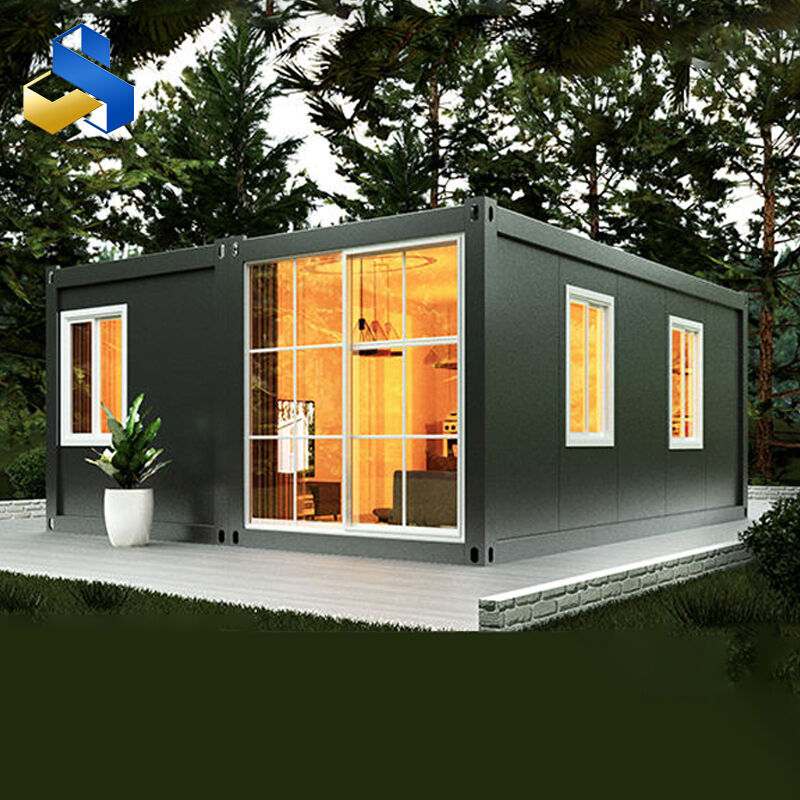
Strategic Container Selection to Reduce Cargo Container Tiny House Costs
One-trip vs. used containers: safety, certification, and long-term value trade-offs
Used shipping containers might seem cheaper at first glance, saving anywhere from 30 to 50% off what new ones would cost, but there's usually a catch. Most contractors we talked to mentioned spending around $740 fixing up secondhand containers according to a study by Ponemon Institute last year. The main issues? Rust problems, replacing floors that have been damaged over time, and reinforcing weak spots in the frame. On the other hand, containers that were only shipped once internationally tend to hold up much better. These ones come with official certification plates (CSC verified) showing they're structurally sound, show little sign of corrosion, and generally still have good flooring intact. Fixing these requires about 80% less work than regular used containers, and they typically last well beyond 30 years instead of just 10 to 15 years for non-certified secondhands. Sure, they cost 15 to 20% more when buying initially, but considering how long they last without needing constant maintenance plus being ready for building codes right away, many folks find this option works out cheaper in the long run for actual homes. Before making any purchase though, it pays to check closely: look at the floorboards for damage, see if the corner posts are solid, and don't forget to examine the underside where water tends to collect and cause rust.
Pre-modified containers: cutting labor, timeline, and rework costs upfront
Containers that come pre-modified from the factory with things like engineered openings, welded door frames, and built-in insulation can cut down on site work by around 30% and shave off about 4 to 6 weeks from the overall construction timeline. When manufacturers handle these details upfront, they make sure everything meets structural requirements and local building codes right from the start. This means no need for those expensive mid-project fixes that often run between $2k and $5k when someone tries to do it themselves. Just having those door and window frames pre-welded stops roughly half of all alignment problems that typically pop up during field modifications. What this really allows is smarter budget allocation where contractors can take the money and time saved and invest in better materials instead. Think about adding R-30 SIP panels or installing triple glazed windows without worrying about compromising structural integrity or running behind schedule.
Smart Insulation and Structural Optimization for Cost-Effective Thermal Performance
High-efficiency, budget-conscious insulation systems (e.g., spray foam hybrids, structural insulated panels)
Getting good insulation right is probably the most important thermal upgrade anyone can make when building a container home. It affects everything from how much energy gets used to overall comfort levels and what kind of bills will show up months down the road. Spray foam mixes (around R-6.5 per inch) really seal those gaps where air tends to leak out, especially around the corrugated steel joints. Meanwhile, Structural Insulated Panels or SIPs come ready made from factories, meet all the building codes, and offer impressive R-values reaching up to R-30. Installing SIPs cuts down on framing work by about half and speeds up getting the whole structure enclosed by roughly three to four weeks compared to traditional stick framing methods. Throw in some phase change materials within the walls though, and these insulation systems actually start working against temperature fluctuations. This means heating and cooling systems don't need to run as often, cutting their operation time by somewhere between 40% and 60%. Looking at both performance and wallet impact, it makes sense to go with SIPs or closed cell spray foam for main structural areas, then fill in other spaces inside with stuff like recycled denim batts or mineral wool for walls that aren't carrying weight.
Precision cutting and reinforcement planning: avoiding hidden structural upgrades and delays
Cutting holes in walls always poses a risk to the container's structural integrity. When folks forget to plan ahead, they often end up spending extra cash on reinforcements that can push costs up between 15 and 25 percent, plus dealing with those frustrating city inspections again. Using digital tools like BIM or CAD software helps spot where the stress points are located before making any cuts. This lets builders position doors and windows properly so they fit naturally within the container's corrugated surface and don't mess with important structural parts. Going with pre-made steel lintels and placing vertical supports at key spots spreads weight around better, which means no need for those last minute weld fixes that waste so much time during retrofits according to tiny house research reports. Make sure to check how modifications hold up against local weather conditions and earthquake standards right from the start of planning rather than waiting until everything is built. Getting this right upfront saves money later on and makes getting permits a smoother process overall.
Design-Led Cost Control: Simplicity, Scalability, and Build-Ready Planning
Right-sizing and modular layout discipline to minimize over-modification and material waste
When it comes to controlling costs, good design work beats hunting for tiny material savings any day of the week. When we size spaces based on what they actually need to do rather than just wanting bigger rooms, we end up with fewer structural changes needed later on. This approach cuts down on welding jobs and makes insulation easier to handle. Going modular helps too because we can repeat things like plumbing areas, kitchen sections, and bathroom units across several containers at once. Bulk buying becomes possible and custom fabrication drops around 30%. Having detailed plans ready before building starts means no surprises when crews arrive on site. Nobody wants to pay extra for fixing mistakes like windows that don't line up properly with supporting beams. Smart furniture choices matter as well. Fold down desks that become dinner tables make small spaces feel larger. Standardizing container widths at common sizes like eight or ten feet also helps reduce waste from leftover materials. Studies show that thinking about materials during the design stage instead of waiting until problems pop up during construction can cut waste by about a quarter.
Value Engineering Through Strategic Sourcing and Prefab Integration
Sourcing Durable, Code-Compliant Materials at Scale — Local Suppliers, Surplus Channels, and Prefab Partnerships
When done right, strategic sourcing turns procurement departments from mere cost centers into actual value creators. The goal isn't just saving money but making sure everything lasts longer, meets all codes, and stays on schedule too. Take local metal suppliers for instance they often know exactly what kind of corrosion resistance their area needs and can slash shipping expenses anywhere between 12 to maybe even 18 percent. Then there are those government surplus programs that stock up on stuff like windows, doors, and insulation materials already certified compliant at prices around 30% cheaper than regular retail stores sometimes even coming with all the paperwork needed for inspections. And let's not forget about prefab partners who supply these amazing precision parts such as those CNC cut framing kits and walls panels packed with insulation right out of the box. These components practically eliminate mistakes during measurements and can cut down on labor requirements by roughly 40% according to industry reports.
| Sourcing Method | Cost Impact | Quality Assurance |
|---|---|---|
| Local Metal Suppliers | 12–18% freight savings | Region-specific corrosion coatings |
| Government Surplus | 30% below retail | Certified compliance documentation |
| Prefab Framing Kits | 40% labor reduction | Precision CNC-cut openings |
An integrated approach stops those last minute swaps that end up hurting performance or causing all sorts of change orders down the road. These pre built SIP panels and structural packages come ready for installation right when they hit the site, so there's no chance for mistakes during on site assembly. Builders working together through group buying agreements have managed to get container grade steel at prices about 22% lower than what's available on the open market. What this creates is basically a consistent way to build these high performing container homes that meet all the necessary codes. And here's something interesting - the better we get at controlling costs, the more we actually improve quality instead of having them work against each other like they often do in traditional construction methods.
FAQ
What are the advantages of using one-trip containers over used ones?
One-trip containers generally offer better structural integrity and come with official certification plates, ensuring they meet building standards. They require less maintenance and tend to last longer, making them cost-effective in the long run despite the higher initial cost.
How do pre-modified containers reduce construction costs?
Pre-modified containers come with built-in features like doors, windows, and insulation that meet local building codes, reducing the need for expensive mid-project fixes. They save on labor by cutting down site work by about 30% and speed up timelines by 4 to 6 weeks.
Why is smart insulation crucial for container homes?
Smart insulation like SIPs and spray foam hybrids keep energy costs low by providing efficient thermal performance. They seal air gaps and help stabilize temperatures, reducing the need for heating and cooling.
What is the benefit of using digital tools for precision cutting and reinforcement?
Digital tools like BIM or CAD software help identify stress points before modifications, ensuring proper placement of doors and windows. This prevents structural issues and saves costs related to unplanned reinforcements or modifications.
How does sourcing strategy affect the cost and quality of container homes?
Strategic sourcing through local suppliers, surplus channels, and prefab partnerships ensures durable materials at lower costs, while meeting compliance standards. This approach reduces freight costs and labor requirements.
Table of Contents
- Strategic Container Selection to Reduce Cargo Container Tiny House Costs
- Smart Insulation and Structural Optimization for Cost-Effective Thermal Performance
- Design-Led Cost Control: Simplicity, Scalability, and Build-Ready Planning
- Value Engineering Through Strategic Sourcing and Prefab Integration
-
FAQ
- What are the advantages of using one-trip containers over used ones?
- How do pre-modified containers reduce construction costs?
- Why is smart insulation crucial for container homes?
- What is the benefit of using digital tools for precision cutting and reinforcement?
- How does sourcing strategy affect the cost and quality of container homes?