
 EN
EN
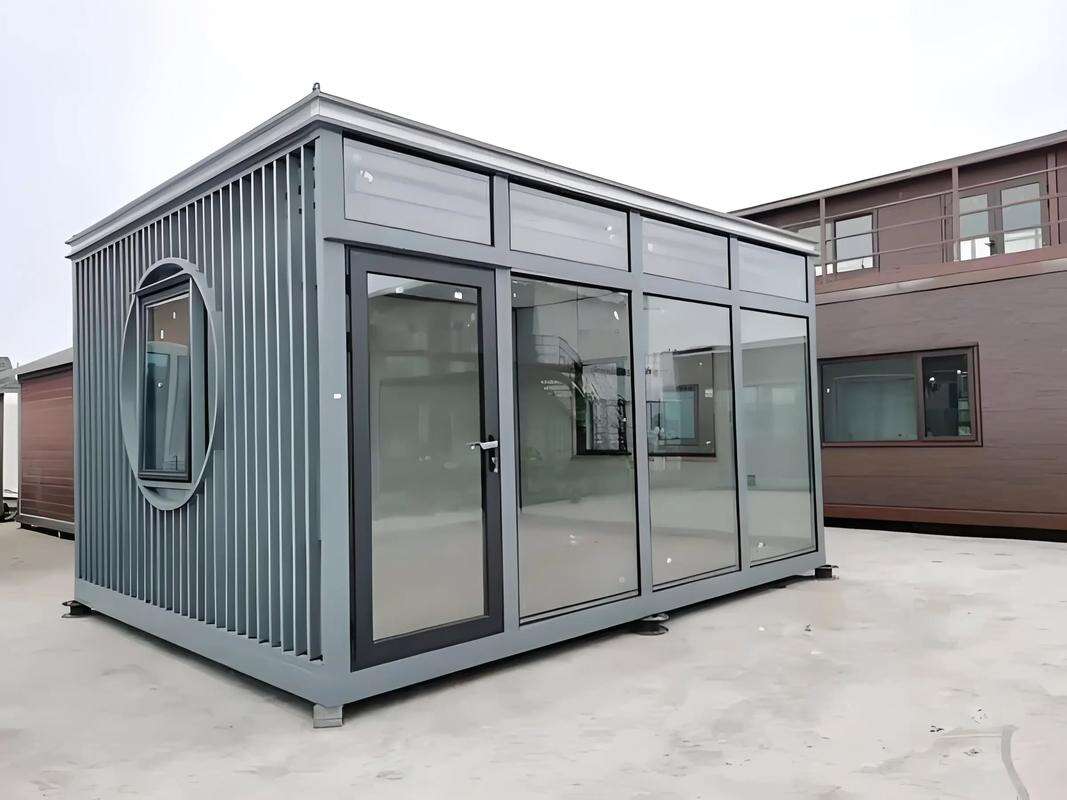
Why Triangular Geometry Complicates Sealing Between Triangular Frame Container Modules
Angular junctions create non-linear stress points and inconsistent compression
When looking at how different shapes handle stress, triangular designs tend to focus pressure at their corners instead of spreading it out evenly across the surface area. Rectangular modules work differently because they have those straight, parallel sides that distribute forces more predictably. What happens next can get pretty tricky when putting these together or subjecting them to outside pressures. The spaces between parts actually shrink where the angles are sharp, but expand where the corners are more rounded out. Some recent research from 2024 on structural seals showed something interesting too. These angular connections show about 37 percent more variation in stress compared to the right angle joints when everything else stays the same. And this matters a lot for containers made from triangular frames since the seals just don't hold up as well over time when there's all that extra stress variation happening.
Steel-to-steel interface challenges: gaps, misalignment, and thermal expansion differentials
Thermal movement intensifies interface instability in triangular steel assemblies. With a linear expansion coefficient of ~12 à 10â»â¶/°C, structural steel undergoes cumulative dimensional shifts that compound at non-parallel junctionsâespecially at apex zones. This results in:
- Gap formation exceeding 1.5 mm during 40°C temperature swings
- Permanent misalignment from uneven cyclic stress distribution
- Differential movement between adjacent modules, critically compromising weatherproof modular joint detailing
As documented in the Journal of Architectural Engineering (2023), thermal cycling induces 300% more joint displacement in triangular versus rectangular assembliesâexacerbating challenges to air tightness in geometric modular designs and necessitating movement-tolerant sealing strategies.
Proven Mechanical Sealing Methods for Triangular Frame Container Modules
Bolted connections with EPDM gaskets and anaerobic thread sealants
The bolted joint system continues to be the go to solution for controlling leaks in those triangular frame containers we see so much these days. EPDM gaskets are pretty much standard because they can bounce back around 50% after being compressed, which helps them handle all sorts of angular stress points. Meanwhile, anaerobic thread sealants work wonders at stopping that pesky capillary leakage that tends to happen along the sides of bolts. When combined, these components actually manage the expansion and contraction that comes with outdoor installations. Testing shows they hold up through well over 200 freeze thaw cycles before showing any sign of trouble, according to industry standard accelerated weather tests. Pretty impressive when you think about it.
Counter-sunk fastener sealing using silicone-impregnated washers and post-install seam injection
Using countersunk fasteners helps keep membranes intact since they don't stick out and create weak points. The silicone soaked steel washers provide instant seal around those fastener heads. After installation, injecting MS Polymer into the seams tackles any tiny gaps that might still exist. When put through ASTM E331 water test standards, this approach boosts waterproof connections by about 63% compared to regular washers alone. Plus it can handle movements in joints of plus or minus 3 millimeters, which makes all the difference in real world conditions where things aren't always perfectly still.
Implementation note: For critical apex zones, combine these methods with hybrid flashing systems (discussed in Section 3).
Climate-Adapted Air and Moisture Barriers for Angular Module Interfaces
Vapor-permeable air barriers vs. closed-cell spray foam at triangular apex zones
Choosing the right moisture barrier depends heavily on what kind of climate we're dealing with. In places where humidity stays above 60% most of the time, vapor permeable membranes work best because they let moisture escape outward instead of getting trapped inside walls and modules. This helps prevent those annoying condensation problems that can ruin everything over time. When temperatures drop way below freezing, closed cell spray foam becomes our go to solution. It creates a solid air seal while also adding strength to structures, giving us around R-6 insulation value per inch thickness. Some actual field tests indicate that these breathable membranes cut down on moisture issues by roughly 40% in really damp areas when compared against regular rigid foam options. For building joints that need proper weather protection, many contractors now use a mix approach putting vapor open membranes on exterior surfaces but applying foam strategically at stress points where things tend to break down first. This combination usually gives good results across different conditions.
Hybrid flashing systems: aluminum Z-flashing with butyl tape for acute and obtuse angles
Non-standard angles demand engineered flashing solutions. Aluminum Z-flashing paired with pre-compressed butyl tape provides self-adjusting, thermally resilient seals across both acute (<45°) and obtuse (>135°) junctions. Its flanged profile maintains consistent compression across steel interfaces while accommodating thermal movement differentials up to ±1/4". Installation follows a precise sequence:
- Apply butyl tape along flashing channels
- Mechanically secure Z-profiles across mating surfaces
- Inject non-sag sealant into residual voids
Modular construction testing shows this approach reduces air infiltration by 57% versus single-material systemsâensuring durable, adaptive waterproof connection performance across diverse climates and structural movements.
Long-Term Performance: Managing Thermal Movement and Joint Durability
Getting good seals between those triangular frame containers requires managing how heat affects materials over time. Steel frames naturally expand when temperatures rise and shrink when they drop. For example, on a 6 meter span, if there's a 50 degree Celsius temperature change during the day, we're talking about around 12 millimeters of movement according to ASM International research from 2019. The problem gets worse at the corners where triangular frames meet. All that expansion and contraction puts compression seals under stress from multiple directions at once, which is why proper thermal management matters so much for long term durability.
Modern mitigation strategies include:
- Dynamic Joint Systems: Flexible silicone-based sealants rated for ±25% movement
- Modular Expansion Joints: Pre-engineered gaps with compressible backer rods
- Phase-Change Materials: Thermal buffers that reduce peak expansion forces by 40%
Without such accommodations, cyclic thermal loading accelerates gasket fatigue and adhesive failureâoften within 5â7 years. Sustained performance relies on disciplined maintenance:
- Bi-annual inspections for debonding, cracking, or sealant degradation
- Gasket compression testing every 24 months
- Sealant replacement aligned with material service life (typically 8â12 years)
These measures preserve weatherproof modular joint detailing, prevent structural stress accumulation, and ensure angular interfaces retain integrity across decades of thermal cycling.
FAQ
Why are triangular designs more challenging for sealing than rectangular designs?
Triangular designs focus stress at their corners, causing more stress variation and inconsistent compression compared to rectangular designs, which spread forces evenly due to their straight sides.
What challenges do thermal movements present in triangular frame assemblies?
Thermal movements can cause significant gap formation, misalignment, and increased joint displacement in triangular frames, leading to compromised seals and increased joint wear.
What sealing methods work best for triangular frame container modules?
Effective sealing methods include using bolted connections with EPDM gaskets, anaerobic thread sealants, silicone-impregnated washers, and post-install seam injection.
How can one manage thermal movement in triangular frame containers for long-term performance?
Using dynamic joint systems with flexible sealants, modular expansion joints, and phase-change materials can help manage thermal movements and ensure joint durability over time.
Table of Contents
- Why Triangular Geometry Complicates Sealing Between Triangular Frame Container Modules
- Proven Mechanical Sealing Methods for Triangular Frame Container Modules
- Climate-Adapted Air and Moisture Barriers for Angular Module Interfaces
- Long-Term Performance: Managing Thermal Movement and Joint Durability
-
FAQ
- Why are triangular designs more challenging for sealing than rectangular designs?
- What challenges do thermal movements present in triangular frame assemblies?
- What sealing methods work best for triangular frame container modules?
- How can one manage thermal movement in triangular frame containers for long-term performance?