
 EN
EN
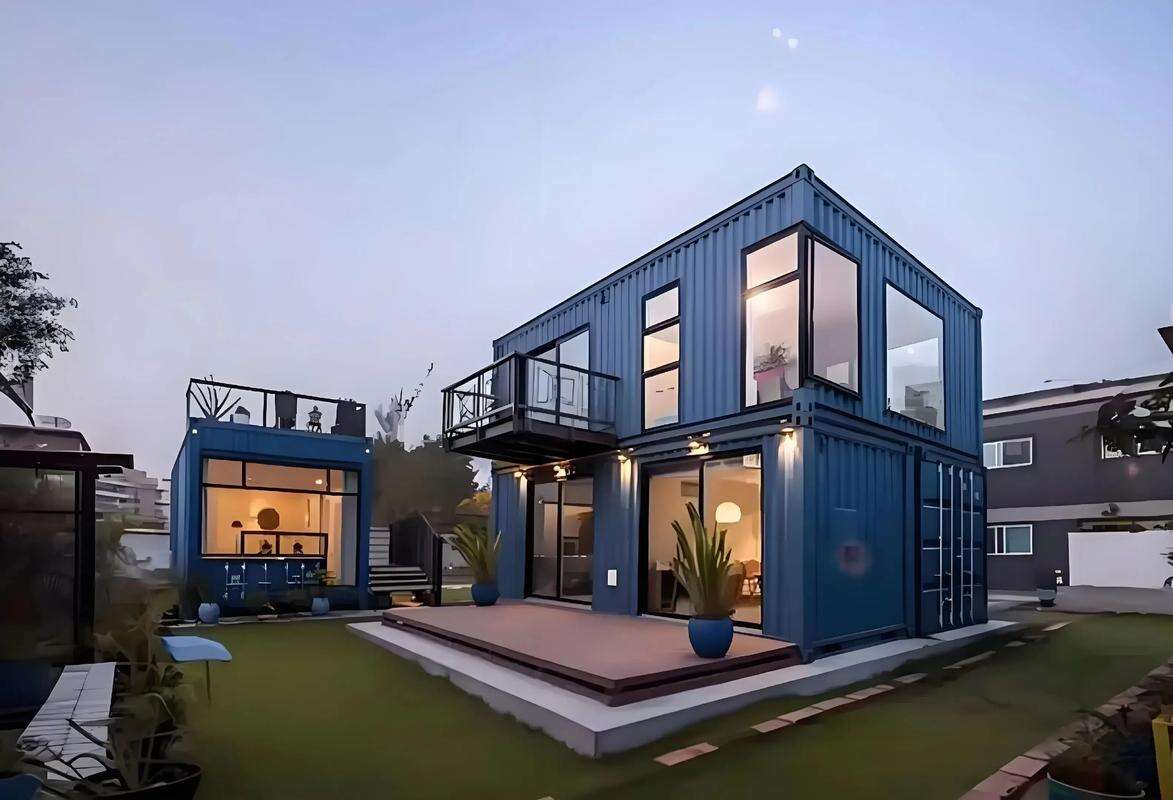
Start with the Container: Why Repurposing Is the Foundation of a Sustainable Container Home
Upcycling as Circular Economy in Action
When we repurpose old shipping containers, we're basically practicing what some call a circular economy. Instead of letting these metal boxes sit in scrapyards, they get transformed into tough, well-built homes. Think about it this way: every container reused means no need to make brand new steel, which takes around 20 million BTUs just for one ton according to industry reports from last year. These containers were originally built to survive ocean crossings, so their strength comes right out of the box. Plus, they can be stacked and modified easily, making them great for building affordable, environmentally conscious prefabricated houses that still look good on the outside while causing minimal disruption at construction sites.
Carbon and Resource Savings vs. Conventional Construction
Container homes deliver measurable environmental advantages. Repurposing a single 40-foot unit saves roughly 7,000 pounds of steel and prevents approximately 8,000 kg of CO₂ emissions—the equivalent of a car’s annual carbon footprint (Sustainable Construction Study 2023). Additional benefits include:
- 95% less construction waste than conventional framing
- 30–50% faster build timelines due to off-site prefabrication
- Reduced foundation requirements thanks to the container’s native load-bearing capacity
These efficiencies position recycled material homes as a pragmatic response to the construction sector’s resource intensity—proving sustainability and performance are not mutually exclusive.
Optimize Energy Performance Through Passive Design
Strategic Orientation, Natural Ventilation, and Thermal Mass Management
To get the most out of passive climate control, position container homes running east to west with plenty of glass facing south if we're talking about locations in the northern hemisphere. The setup works well because it catches those nice low angle rays during winter months while summer shade from overhangs keeps things from getting too hot. Getting good airflow through the space isn't hard either. Just put windows on opposite sides so they can catch whatever wind comes through naturally, which cuts down on needing air conditioning systems. Adding materials that store heat makes a big difference too. Polished concrete floors work great for this purpose, as do some interior water elements. These items soak up warmth during the day then give it back when temperatures drop at night, helping keep indoor conditions stable throughout different weather patterns. All told, putting these methods together typically brings down energy costs somewhere around 40 percent, though actual savings will depend on local climate conditions and how well everything gets implemented.
High-Performance Insulation and Eliminating Thermal Bridging
Steel conducts heat pretty well, which means it tends to create those annoying thermal bridges at places where steel meets other materials, especially around corners, seams, and where framing connects. The solution? Wrap the whole container shell in continuous exterior insulation before adding any cladding. Rigid mineral wool or expanded polystyrene works great for this. Eco builders might want to consider plant-based alternatives instead though. Recycled denim batts or cellulose are good choices if sustainability matters most. Don't forget to seal up every joint and penetration with low VOC spray foam either. Air leaks will ruin everything otherwise. When done right, these measures really make a difference. Temperatures inside stay stable throughout the seasons, and folks typically see their heating and cooling bills drop somewhere between 25% and 30%. Not bad for some extra effort during construction.
Achieve Resource Autonomy with On-Site Renewable Energy and Water Systems
True self-sufficiency transforms a sustainable container home from concept to reality. By harnessing natural resources, owners reduce external dependencies while advancing core green modular home design principles—resilience, efficiency, and ecological stewardship.
Solar PV Integration and Pathways to Net-Zero Energy
Solar panels take sunlight and turn it right into electricity, which cuts down on how much power we need from the grid and gives people more control over their own energy needs. When homeowners install solar panels on their roofs along with lithium batteries, they can store extra electricity generated during the day for when the sun isn't shining at night or on those gray days. Putting panels on south-facing parts of roofs gets the most out of limited space, and according to actual experience from many households, these systems often reach that sweet spot where they produce as much energy as they consume in about 3 to 5 years once all the saved money on utilities adds up. The price of solar technology has dropped by around 80 percent since 2010, making going solar financially attractive in ways that weren't possible before.
Rainwater Harvesting and Grey-Water Recycling for Sustainable Water Use
When roof mounted gutters direct water into either above ground or underground storage tanks, they provide usable but not drinkable water for things like watering plants, flushing toilets, and general cleaning around the property. This can cut down on what goes through city water systems by as much as half sometimes. For grey water systems, there are small units that actually clean and purify the leftover water from sinks and showers before sending it out again. Some people send this recycled water directly into underground drip lines for gardens, others connect it to toilets that have two different flush options. These combined approaches save literally thousands of gallons every year and help keep streets cleaner during heavy rains. Most basic rainwater collection systems don't need much work at all really just checking filters now and then and swapping out UV lights when needed. Before getting started though, make sure to check what rules apply locally regarding grey water reuse in the area where installation will take place.
Specify Eco-Conscious Interiors: Non-Toxic, Low-VOC, and Local Materials
What we choose for our interior spaces affects our health and sustainability over time, not just how things look. When selecting finishes, it makes sense to go for certified non-toxic options with low VOC levels. Natural clay plasters work great, along with zero VOC paints and water-based adhesives that help keep indoor air clean. These materials reduce risks associated with breathing problems and other health issues caused by poor air quality inside buildings. For floors and walls, consider local sources whenever possible. Bamboo flooring that carries FSC certification is a good option. Reclaimed wood from old mills adds character while cutting down on transportation emissions. Cork panels for walls are another smart choice since they come from quickly regenerating resources. Making these kinds of material decisions turns living spaces into places where people actually feel better. Tiny homes especially benefit because every square inch matters, and sustainable choices naturally incorporate well-being, ethical considerations, and environmental care without having to sacrifice anything important.
Frequently Asked Questions
What is the concept of a circular economy in container homes?
In container homes, the circular economy involves repurposing old shipping containers into homes. This process reduces the need for new steel production and capitalizes on the containers' existing strength and structure, promoting sustainability and reducing waste.
How do container homes contribute to energy savings?
Container homes optimize energy performance through passive design, strategic orientation, and high-performance insulation. This can result in energy cost savings of around 40%, making them efficient and eco-friendly.
What materials are recommended for eco-conscious interior design in container homes?
Eco-conscious interiors often use non-toxic, low-VOC materials such as natural clay plasters, zero VOC paints, and water-based adhesives. Locally sourced materials like FSC-certified bamboo and reclaimed wood are also preferred for their sustainability and environmental benefits.
Table of Contents
- Start with the Container: Why Repurposing Is the Foundation of a Sustainable Container Home
- Optimize Energy Performance Through Passive Design
- Achieve Resource Autonomy with On-Site Renewable Energy and Water Systems
- Specify Eco-Conscious Interiors: Non-Toxic, Low-VOC, and Local Materials
- Frequently Asked Questions