
 EN
EN
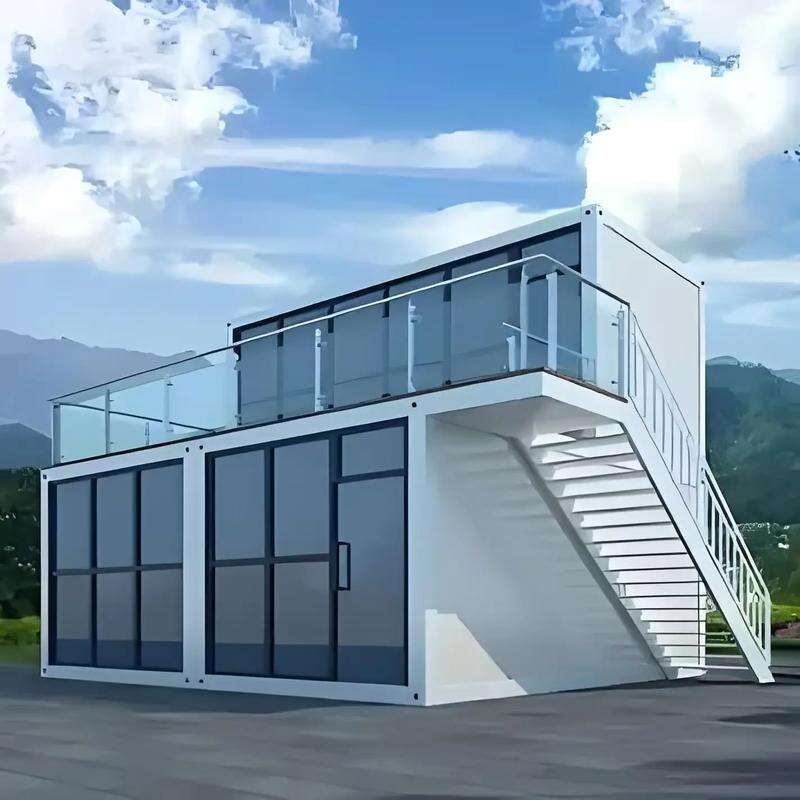
Understanding Mobile Container House Zoning Fundamentals
The rules about where mobile container homes can go are basically set by zoning laws, which determine the spots these structures are allowed to occupy. Cities and towns divide their land into different categories like residential areas, business districts, farmland, or places where multiple types of development coexist, each category having its own set of building rules. Most container homes end up classified either as alternative housing options or accessory dwelling units (ADUs), but they still face limitations depending on exactly where someone wants to put them. There are several important factors to think about when considering such housing solutions.
- Jurisdictional variability: Regulations differ significantly between counties and municipalities—even within the same state
- Land use compatibility: Container homes may be prohibited in commercial or industrial zones despite state-level acceptance
- Foundation requirements: Some areas mandate permanent foundations for residential classification
The primary challenge stems from outdated zoning codes that haven't adapted to modern prefab home land use rules. A 2023 survey revealed 68% of container home delays originate from zoning non-compliance issues. Before purchasing land, consult your local planning department to verify:
- Whether container homes qualify as permitted structures
- Minimum lot size requirements
- Any special use designations affecting mobile modular housing
Proactive engagement with zoning officials during pre-application phases prevents costly redesigns and project stalls. Understanding these fundamentals is essential for navigating the complex permitting landscape.
Key Zoning Regulations Impacting Mobile Container House Placement
Local zoning ordinances fundamentally dictate where mobile container homes can be situated, primarily through land use classifications and dimensional standards. Understanding these frameworks is essential for feasibility.
Land Use Designations and Permitted Structures
Cities and towns divide their land into different areas for things like where people live, businesses operate, farming takes place, or combinations of these uses. When it comes to mobile container homes, there are usually special rules about where they can go in each area. The 2023 Zoning Accessibility Report shows something interesting here too: just around 58 percent of all U.S. counties actually allow container homes as main residences in those R-1 residential zones. Most places put container homes into categories like "alternative housing" or secondary dwelling units (ADUs), which means going through extra steps to get approved. And here's another important point worth noting: if someone tries to put a container home on land zoned for business or manufacturing purposes, they'll probably run into problems since such zones generally don't allow long term living arrangements. That makes checking out property details before buying absolutely essential for anyone considering a container home project.
Setback, Height, and Density Restrictions
Beyond location, physical placement rules significantly impact design:
- Setbacks: Requirements often mandate 5–15 feet from property lines, directly affecting usable space
- Height limits: Typically capped at 25–35 feet, restricting multi-story configurations
- Density: Rules may limit units per acre, challenging clustered developments
These regulations ensure compatibility with neighborhood character. A 2022 survey found 70% of rejected container home proposals violated setback or height rules—highlighting strict enforcement. Proactive consultation with planning departments helps navigate these constraints effectively.
Mobile Container House Zoning Approval Pathways
Standard Permitting vs. Conditional Use Approvals
When mobile container houses follow all the local zoning rules exactly, getting permits usually goes pretty smoothly. All that's typically needed are plans showing proper setbacks from property lines, working connections for water and electricity, plus proof the structure meets safety standards. But here's the catch - most cities still see these containers as something outside normal building regulations. That means applicants often face conditional approval instead. To get past this hurdle, developers need to prove their project won't mess with what makes the neighborhood unique. This usually involves going through public hearings and making changes to the original design. Sometimes that means adding extra greenery around the site or modifying how the containers look from the street. The key to navigating this whole process? Sitting down with city planners before officially applying. These meetings help uncover what specific issues might come up regarding noise levels or increased traffic in the area.
Zoning Variances and Legal Recourse Options
Lot restrictions and conflicting building codes sometimes make it impossible to follow regulations, especially when there are unavoidable setbacks that just don't work. Developers facing these issues typically need to apply for variances, showing through detailed land surveys or financial paperwork why their situation is different from standard requirements. When applications get rejected, there are still legal avenues available. Some folks appeal to local zoning committees, pointing out similar past cases where exceptions were granted. Others take matters further into state courts, arguing that certain regulations might not actually hold up under scrutiny. Keeping thorough records of every communication and rejection notice becomes really important during these appeals, particularly when dealing with tricky zoning rules around container homes. Most problems tend to go away much faster if developers start talking to city planners early on rather than waiting until everything hits the courtroom stage.
Proven Strategies to Align Mobile Container Houses with Local Zoning Codes
Pre-Application Engagement with Planning Departments
Talk to the local planning folks first before locking in those mobile container house zoning plans. Most towns have some sort of pre-submission meeting where they'll walk through what's allowed on the property. Take along rough drawings of how the space will look and maybe some basic site measurements so everyone knows we're talking about the same thing when discussing if container homes fit within residential zones. Getting this stuff sorted out upfront saves headaches later because nobody wants surprises about whether their tiny house on wheels actually counts as legal housing under local regulations. Oh, and don't forget to ask for any forms or guides they might have for getting permits for these kinds of modular setups. Those documents can save weeks of back and forth during the application process.
Design Adaptations That Satisfy Code Requirements
Container homes need some tweaks to get past those pesky zoning issues that pop up everywhere. Start with adjustable foundations since different areas have all sorts of soil conditions. Some places want extra stability, others not so much. When dealing with height limits, many builders go for partially buried designs or install roofs at angles to save vertical space. Fire safety is another big one. Most local authorities will want to see metal cladding that won't burn easily, plus make sure units aren't too close together. These changes actually work pretty well within most building regulations while keeping everything structurally sound. And don't forget about insulation either. Going beyond basic requirements makes sense both environmentally and economically in the long run, especially as energy costs keep climbing.
FAQ
What are the key zoning factors to consider for mobile container homes?
Key zoning factors include jurisdictional variability, land use compatibility, and foundation requirements. Regulations differ between counties and municipalities, and container homes might be prohibited in commercial zones. Some areas require permanent foundations for residential classification.
How can I verify if my container home qualifies?
Before purchasing land, consult with your local planning department to verify if container homes qualify as permitted structures, and inquire about minimum lot size requirements and special designations affecting mobile modular housing.
What are common reasons for container home proposal rejections?
Common reasons for rejections include violation of setback or height rules, as well as density restrictions. Ensuring compatibility with neighborhood character is crucial.
What steps can I take to align my container home with local zoning codes?
Engage with planning departments during pre-application phases, and consider design adaptations like adjustable foundations and fire safety measures. Proactive consultation helps navigate zoning constraints effectively.