
 EN
EN
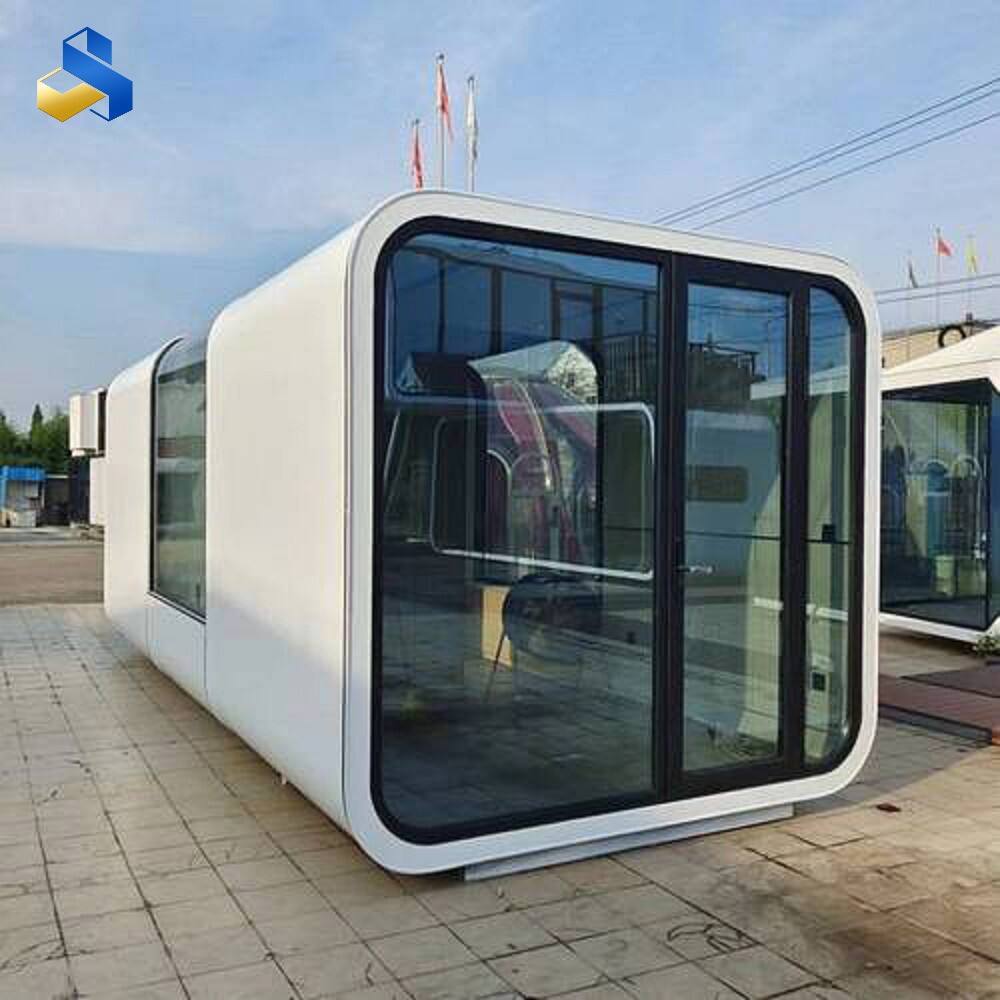
Upfront Capital Costs: Expandable Container House vs Traditional On-Site Build
Itemized cost breakdown: materials, fabrication, and site prep (excluding land)
Container homes offer some real money savings when it comes to construction costs. Repurposed steel containers typically run around $100 to $120 per square foot, which is way cheaper than building from scratch that can easily hit between $150 and sometimes over $300 per square foot. The manufacturing happens inside factories where everything is measured out precisely, so there's about half to three quarters less material going to waste compared to what happens during regular on site construction work. Getting ready for installation is also much simpler since these containers just need small piers instead of big concrete slabs or full basement systems. All these factors combined mean developers can save roughly 30 to 40 percent on initial costs when they go with expandable prefab designs. Industry reports back this up consistently across different market segments.
Site-specific variables: foundation complexity, utility hookups, permitting, and delivery logistics
The local environment impacts how buildings get constructed, but container homes made from shipping containers tend to handle different situations better. When building on hillsides or shaky ground, regular foundations usually end up costing somewhere between 25% to maybe even 50% extra because of all the digging and reinforcing needed. Container homes work around this problem with special adjustable supports that fit whatever slope exists without needing much digging at all. Connecting utilities like electricity and water works pretty similarly either way, although many container homes come already wired so electricians don't have to spend as much time onsite. Getting permits tends to go smoother too in places where authorities recognize modular construction methods, sometimes cutting down approval times by about two to four weeks compared to normal construction projects. Transporting materials remains the biggest wild card factor though. Sites far away from cities might charge extra for delivery, but these costs often disappear when companies combine shipments and need fewer workers onsite during actual construction.
Labor, Efficiency, and Offsite Advantages Driving Expandable Container House Cost Savings
Reduced on-site labor hours and weather-related delays
About 90 percent of building work now happens away from actual construction sites, inside those temperature controlled factory spaces where workers aren't at the mercy of rain delays or snowstorms that can eat up anywhere between 20 to 30 working days every single year. When projects move indoors like this, there's actually quite a drop in what people spend on site labor – somewhere around 40 to even 60 percent less depending on the specifics. Companies also save money because they don't need to rent so much heavy machinery or set up all those temporary offices and storage areas. What used to take months gets done within just a few days these days. And when everything goes quicker, projects wrap up sooner, operational costs go down, and schedules become much easier to stick to. These kinds of savings really stack up when developers are working on multiple buildings at once across different locations.
Streamlined fabrication and factory-controlled quality for consistent expandable container house cost control
Production lines that are automated tend to make better use of materials, cutting down on waste somewhere around 15 to 25 percent compared to older methods. When it comes to quality control, these systems apply standard checks throughout the whole process, whether it's checking welds or looking at insulation work. This helps cut back on having to fix things later, something that usually eats up about 5 to 7 percent of what most projects spend overall. Buying steel and other parts in bulk also helps keep material prices steady. What makes all this really valuable is how it protects against unpredictable labor costs in different regions. Projects can stick to their schedules and stay within budget much more reliably than before.
Total Installed Cost Benchmark: Expandable Container House Cost vs Traditional Construction
Comprehensive industry analyses show traditional construction averages $300–$500 per square foot, while expandable container homes consistently achieve $100–$120 per square foot–a gap driven by prefabrication’s systemic efficiencies.
| Cost Component | Expandable Container Home | Traditional Home |
|---|---|---|
| Materials | $20–$35/sq.ft. | $50–$150/sq.ft. |
| Labor | 15–25% of total | 35–50% of total |
| Timeline | 3–8 weeks | 6–18 months |
When looking beyond just materials, faster construction times really cut down on money spent on financing. Projects get done in about half the time they normally would, which means less money piling up in interest payments and fewer hours spent on paperwork and management stuff. Building components off site helps avoid those frustrating weather related delays and costly mistakes that happen so often in regular construction work. According to some industry reports from the Bureau of Labor Statistics, these issues can actually add around 8 to 12 percent to project costs. All these advantages mean that modular container homes end up costing somewhere between 30 and 45 percent less when everything is factored in, all while still meeting building codes and maintaining solid structural integrity. Contractors find this particularly appealing because it doesn't sacrifice safety or durability for the sake of saving money.
Long-Term Value and Scalability: How Expandability Alters Lifecycle Cost Dynamics
While upfront savings are compelling, the true financial distinction lies in lifecycle value. Expandable container homes transform long-term cost planning–not as static assets, but as adaptable platforms.
Phased expansion economics: lower incremental cost per square foot over time
When homeowners want to add extra room to their older houses, they usually end up dealing with expensive foundation work, reinforcing structures, and lots of messy construction time. With expandable design options though, new sections fit right into the current plumbing, wiring, and framing without major headaches. These additions typically save around 30 to maybe even 50 percent on each extra space built out. The reason? Shared power and water lines already run through most homes, plus manufacturers create these modular parts specifically for easy installation. There's just not much digging or tearing apart required at the actual property site. Homeowners can grow their living areas exactly when money allows, so nobody has to spend way more than necessary before actually needing the extra space.
Resale and adaptability premiums of modular-expandable designs
Buyers increasingly prioritize flexibility–translating into market premiums for expandable container homes. Their value stems from three tangible advantages:
- Reconfiguration without demolition: Interior walls and layouts adapt to evolving needs
- Relocation readiness: Units disassemble and relocate, preserving equity across sites
- Functional evolution: Spaces readily convert to home offices, accessory dwelling units, or multigenerational suites
The 2024 Urban Housing Report found modular-expandable properties sell 15% faster than fixed-layout comparables–evidence that future-proof design commands both speed and premium pricing across life stages and use cases.
FAQ
1. How do expandable container homes compare in cost to traditional homes?
Expandable container homes typically cost $100-$120 per square foot, whereas traditional homes can cost between $300-$500 per square foot.
2. What are the advantages of using expandable container homes?
Expandable container homes offer reduced labor costs, shorter build timelines, adaptability for future expansions, and lower upfront and lifecycle costs.
3. Can expandable container homes adapt to different environments?
Yes, they use adjustable supports that make them suitable for varying terrain and can minimize site-specific construction challenges.
4. Are expandable container homes easy to expand or change?
Expandable container homes are designed for easy expansion and can be reconfigured or relocated without extensive demolition or construction.
Table of Contents
- Upfront Capital Costs: Expandable Container House vs Traditional On-Site Build
- Labor, Efficiency, and Offsite Advantages Driving Expandable Container House Cost Savings
- Total Installed Cost Benchmark: Expandable Container House Cost vs Traditional Construction
- Long-Term Value and Scalability: How Expandability Alters Lifecycle Cost Dynamics
- FAQ