
 EN
EN
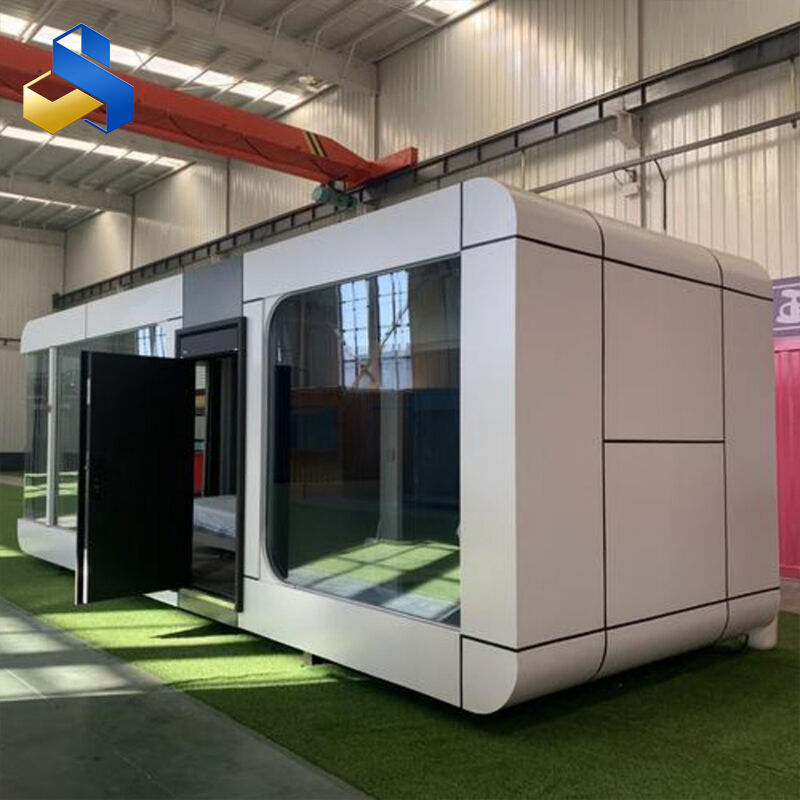
Why HUD Code Rarely Applies to Tiny Container Homes
The Manufactured Home Definition Barrier
The HUD rules only cover manufactured homes, which according to federal code (that's 24 CFR § 3280 if anyone cares about specifics) are basically buildings made in factories that sit on these special frames meant for moving around on wheels and axles. The frame has to be part of the actual building structure, not just something tacked on later. Tiny homes built from shipping containers don't fit this description at all really. These containers were originally made for ships and trucks, right? They're super sturdy steel boxes designed to stack safely during transport, not for rolling down highways. Even if someone tries putting them on temporary skids or those little dollies people sometimes use, they still miss out on the proper suspension systems that HUD requires. Most manufactured homes end up staying put once installed anyway, but the whole point was always supposed to be mobility, which matters legally speaking. Container homes work differently though. Builders typically bolt them directly into concrete slabs or reinforce them so much that trying to move them would be dangerous. This basic difference between what they're built for versus what HUD looks for means container conversions just don't fall under HUD regulations.
Structural and Assembly Requirements That Exclude Containers
HUD’s standards impose construction requirements fundamentally incompatible with shipping container adaptation. Code-compliant manufactured homes rely on:
- Lightweight wood or cold-formed steel framing optimized for highway transport
- Factory-integrated, axle-mounted chassis that bear structural loads during movement
- Federally approved quality control protocols applied on certified assembly lines
Shipping containers themselves are made of strong corrugated steel with special corner pieces meant for stacking vertically when they're out at sea dealing with rough conditions. They aren't really built to handle sideways pressure that comes from driving on roads though. When people want to modify these containers, they end up cutting holes in walls and roofs, taking out parts that hold everything together, then adding new support structures through welding. These changes mess with how the container was originally designed and go against what HUD says about not making alterations once it leaves the factory. The thing is, getting proper HUD certification means building containers in facilities monitored by federal authorities where each one gets checked thoroughly before shipping out. Most container conversions happen elsewhere though—in garages, backyard setups, or just wherever someone finds space for their project. This completely skips around the official oversight system. Because of this fundamental difference between how HUD wants things done versus what actually happens during conversions, bringing these modified units under regulation simply doesn't work.
How Local Building Codes Govern Tiny Container Homes Instead
Adoption of IRC or IBC Standards for Permanent Dwellings
Tiny container homes that serve as actual living spaces rather than just temporary structures are subject to building codes set by either the International Residential Code (IRC) or International Building Code (IBC). These rules get implemented at the local level through various state and city regulations. The codes don't make any special exceptions for container homes compared to regular houses built on-site. They have to pass the same tests when it comes to keeping people safe, making sure everyone can move around easily, saving energy, and standing up to weather and wear. Things like how big rooms need to be, what height ceilings should reach, proper size windows for escaping emergencies, and safe stair designs all count the same way they do for traditional homes. And these standards adjust based on where the home is located. Take Colorado's Front Range area for example snow weighs down roofs there so builders reinforce them accordingly. Meanwhile in earthquake-prone California, homes require certain supports and secure fastenings. Local building departments enforce these rules because they know best about regional risks, yet still leave room for creative building approaches allowed by local land use laws.
Foundation, Anchoring, and Utility Connection Mandates
Container homes have to meet certain local requirements when it comes to foundations and utilities, something quite different from what HUD typically demands for their chassis-based structures. The foundation needs to be permanent and properly engineered. Options include frost protected concrete piers, continuous perimeter walls, or slab on grade systems that get stamped okay by a licensed structural engineer. For anchoring systems, builders can choose between embedded bolts, helical piles, or moment resisting frames. Whatever gets chosen has to hold up against whatever local conditions exist wind, earthquakes, floods according to both ASCE 7 and ICC standards. When connecting utilities, there are strict rules to follow. Electrical service needs panels that comply with NEC standards plus proper grounding. Plumbing work must adhere to IPC regulations including backflow prevention devices. Wastewater systems require approval from health departments whether going septic or connecting to city sewers. Importantly, all inspections happen right at the construction site instead of back at the factory. Inspectors look at how everything fits together, check welds for integrity, examine how well thermal bridging is handled especially in colder regions, and test wind uplift resistance along coastlines. This kind of site specific checking focuses on actual performance in real world conditions rather than just relying on standard manufacturing specs.
Navigating the Regulatory Gray Zone: RV, Modular, or Site-Built?
Container homes built from shipping containers sit in this weird legal no-man's land where different places treat them however they want based on what counts as mobile versus permanent and what someone intends to do with it. Many towns will call these modified containers RVs if there are still wheels, axles, or hitch points left on them even when those parts don't actually work anymore. This triggers all sorts of standards like NFPA 1192 or ANSI A119.5 that regular houses don't have to follow. But guess what? Most zoning rules won't let people live in RVs long term. Usually folks can only stay between 30 to 180 days unless they get special permission. Some areas might allow container homes as modular housing, but only if they come out of a factory licensed by the state with proper engineering stamps and official labels. What happens most of the time though is authorities just treat them like normal buildings constructed on site. That means following all the usual building codes about foundations, fire walls, and mechanical systems. The 2023 National Shelter Industry Survey found that almost two thirds of tiny home owners run into problems getting permits because different counties classify these homes so differently. Three main things ultimately determine whether someone gets approval or not:
- Occupancy intent: Full-time, year-round residence almost always triggers site-built code application
- Transportability evidence: Functional wheels, brakes, or lighting systems strongly suggest RV classification
- Foundation type: Permanent, engineered foundations overwhelmingly signal site-built status
Because identical units can face divergent rules just miles apart, early consultation with the local building department—and documentation of intended use, foundation design, and utility plans—is essential. Classification isn't theoretical: it determines whether HUD manufacturing standards, modular program oversight, or conventional building code enforcement applies.
FAQ Section
Q: What is the main reason HUD standards don't apply to tiny container homes?
A: HUD standards are designed for manufactured homes that feature factory-built structures capable of being moved on wheels, unlike tiny container homes that aren't built for mobility.
Q: What is the difference between HUD code requirements and local building codes for container homes?
A: HUD codes focus on factory-built homes with specific mobility features, whereas local building codes concern permanent construction quality, utility connections, and site-specific stability.
Q: How can classification affect the regulation of tiny container homes?
A: Classification determines whether container homes follow RV standards, modular rules, or site-built codes, influencing permits and compliance requirements across different locations.