
 EN
EN
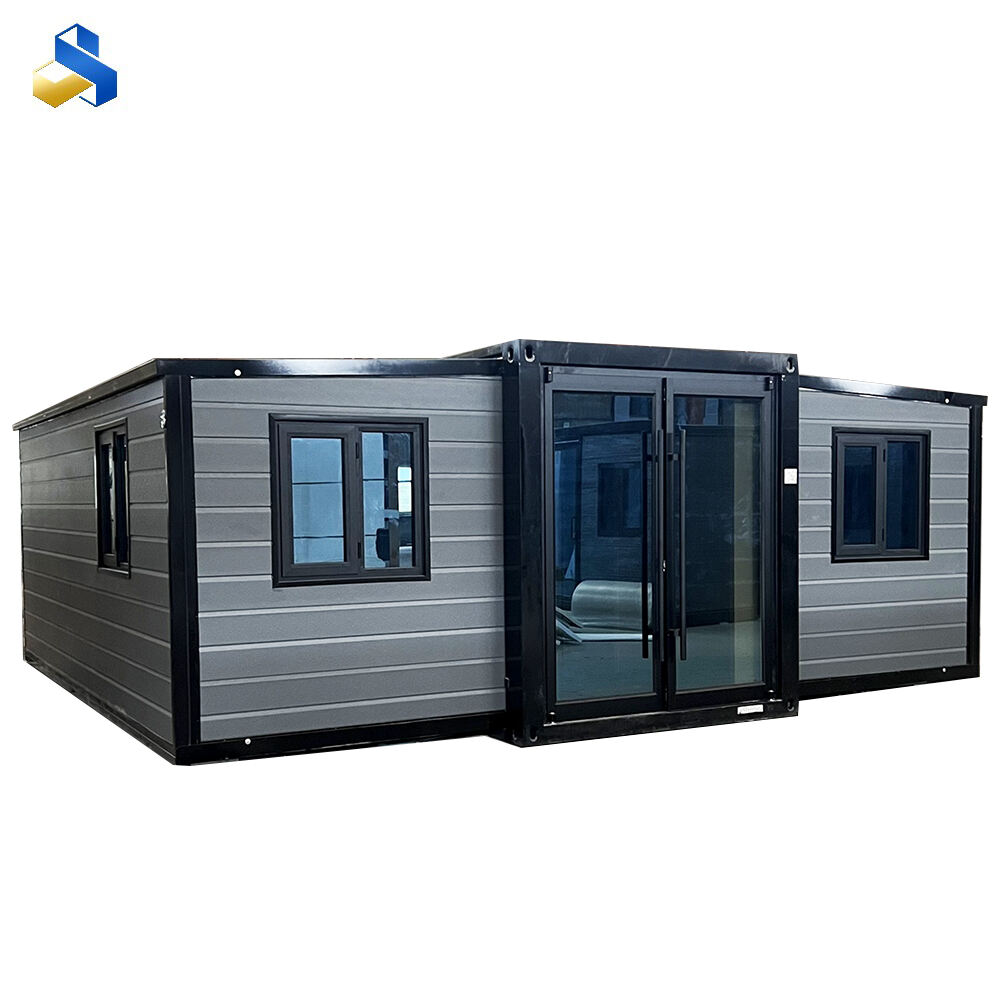
Architectural Innovation and Design Flexibility of Expandable Container Houses
Modular Design Enabling Rapid Reconfiguration in Cities
Expandable container homes are making waves in cities where space is at a premium. They work through modular building techniques, featuring sliding sections and fold-out walls that can expand living space anywhere between 40 to 200 percent when needed according to the Modular Building Institute report from last year. Take Tokyo for instance, where developers recently put together 32 of these units. What started as tiny one room studios turned into proper three bedroom apartments overnight actually took around three days to complete the transformation. The best part? These buildings take about half the time to construct compared to regular apartments and they hold up pretty well during earthquakes too, surviving tremors as strong as magnitude 8 on the Richter scale.
Can Expandable Container Homes Achieve Architectural Excellence?
Expandable containers used to get slammed for looking too industrial, but lately designers have been transforming them into something pretty sophisticated architecturally. They're using better materials and some pretty advanced engineering techniques now. Take this five story building in Tokyo as an example it has those cool cantilevered glass parts sticking out and uses artificial intelligence to manage the climate inside. Pretty impressive stuff actually. Some top researchers did a life cycle analysis recently and found that these container buildings produce about 35 percent less carbon than regular concrete structures, yet they still last well over fifty years. Not bad at all. And interestingly enough, according to a survey from the American Institute of Architects back in 2023, around 41% of city planners think these converted containers could work nicely for high end developments too.
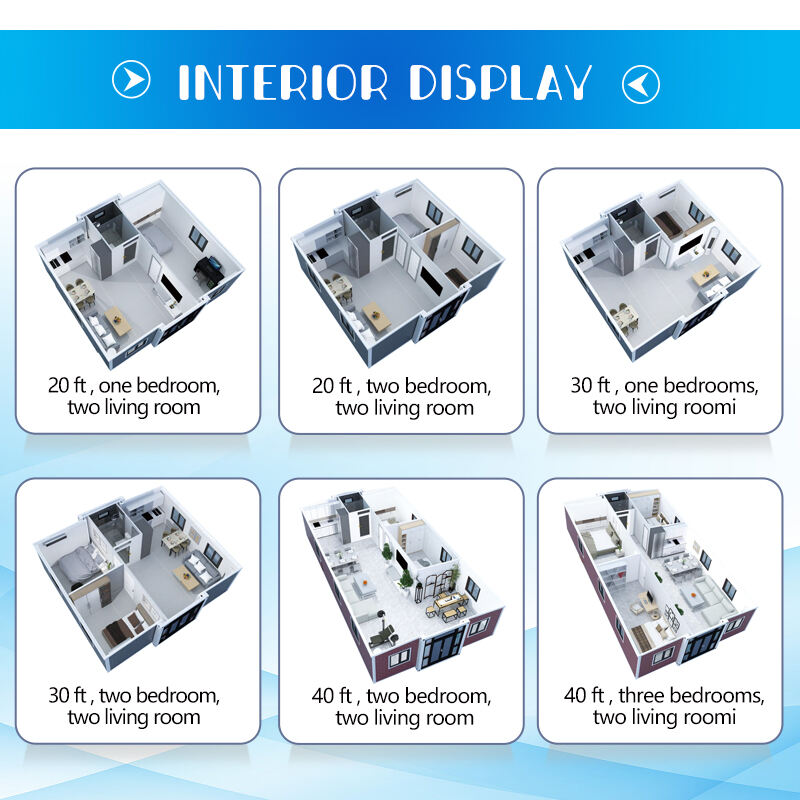
Sustainability and Environmental Benefits of Expandable Container Housing
Recycling Shipping Containers to Reduce Construction Waste
There are somewhere around 17 million old shipping containers just sitting around doing nothing across the globe. When we turn these metal boxes into expandable homes, it cuts down on construction materials needed by roughly between 80 to 95 percent when compared with regular building techniques according to data from World Steel Association back in 2023. Think about this: every single container keeps about 2.8 tons worth of steel out of our landfills while also cutting back on all that energy hungry concrete and brick manufacturing. Recent research published in 2023 by Material Circularity shows something pretty interesting too – these containers hold onto about 97% of their strength even after being reused three times over. That makes sense why so many cities are starting to look at containers as great bases for affordable housing projects that actually work with nature rather than against it.
Energy-Efficient Designs and Integration with Green Technologies
Container homes that can expand actually cut down on energy usage somewhere between 30 to maybe even 50 percent. They do this through things like positioning buildings to take advantage of the sun's path, using phase change insulation which works about 14% better than regular fiberglass stuff, plus having built-in green tech like roofs ready for solar panels and systems to collect rainwater. People living in these homes typically end up saving around seven hundred forty dollars each year just on their utility bills. Plus there's less strain put on already overworked city power networks according to some research from the Ponemon Institute back in 2023.
Adaptability for Evolving Urban Lifestyles and Future-Proof Living
Expandable design meets dynamic urban space demands
Municipalities dealing with changing population numbers are increasingly turning to expandable container homes as flexible alternatives. The containers themselves can grow three times taller or link together side by side to make larger complexes, which tackles the problem of limited space something 78 percent of city planners worry about according to that Urban Development Report from 2025. What makes these containers special is how they adapt when needed whether expanding temporarily during housing shortages or completely transforming into different kinds of spaces over time. This kind of flexibility fits right in with modern approaches to building cities that can handle whatever comes next without breaking a sweat.
Supporting multi-generational, flexible, and compact living trends
Container homes that can expand are really good at meeting changing family needs these days, especially when multiple generations live together. They come with walls that can move around and clever layout designs that make sense for different situations. According to some recent research from last year, most city families actually care more about being able to change their living space than just having bigger rooms. That explains why there's so much interest in houses where a bedroom can become an office during the day or turn into extra space for guests on weekends. The built in storage solutions and furniture that folds away help save precious floor space too. And this matters a lot since people in big cities now have about 15 percent less living area each year according to the Metropolitan Housing Index report from 2025.
Versatility across residential, commercial, and pop-up applications
One modular unit serves multiple purposes throughout the day. During business hours it acts as a small retail shop, becomes shared living quarters at night, and even functions as temporary housing when emergencies strike. Container based projects designed for dual use have really taken off since around 2022. We're seeing rooftops transformed into workspaces for remote employees while stores on the ground floor change their window displays almost every week depending on what sells best. Cities benefit from this kind of flexible design because they can respond to changing needs across different areas without tearing down buildings and starting over from scratch, which saves money in the long run.
FAQ
What are expandable container houses?
Expandable container houses are modular homes made from shipping containers that incorporate sliding sections and fold-out walls, allowing for increase in living space as needed.
How do expandable container houses help the environment?
They reduce construction waste by recycling old shipping containers and require fewer construction materials, leading to a lower carbon footprint and less environmental strain.
Why are expandable container homes considered energy-efficient?
They use phase change insulation and are often designed with green technologies, such as solar panel-ready roofs and rainwater collection systems, to cut energy use by 30% to 50%.
Are expandable container homes customizable?
Yes, there are many design options available; exterior walls can be swapped with different materials, and spaces can change functions—from commercial to residential uses.
How quickly can expandable container houses be constructed?
These homes are built using prefabricated modules, allowing for construction speeds up to 60% faster than traditional methods.
Table of Contents
- Architectural Innovation and Design Flexibility of Expandable Container Houses
- Sustainability and Environmental Benefits of Expandable Container Housing
- Recycling Shipping Containers to Reduce Construction Waste
- Energy-Efficient Designs and Integration with Green Technologies
- Adaptability for Evolving Urban Lifestyles and Future-Proof Living
- FAQ