
 EN
EN
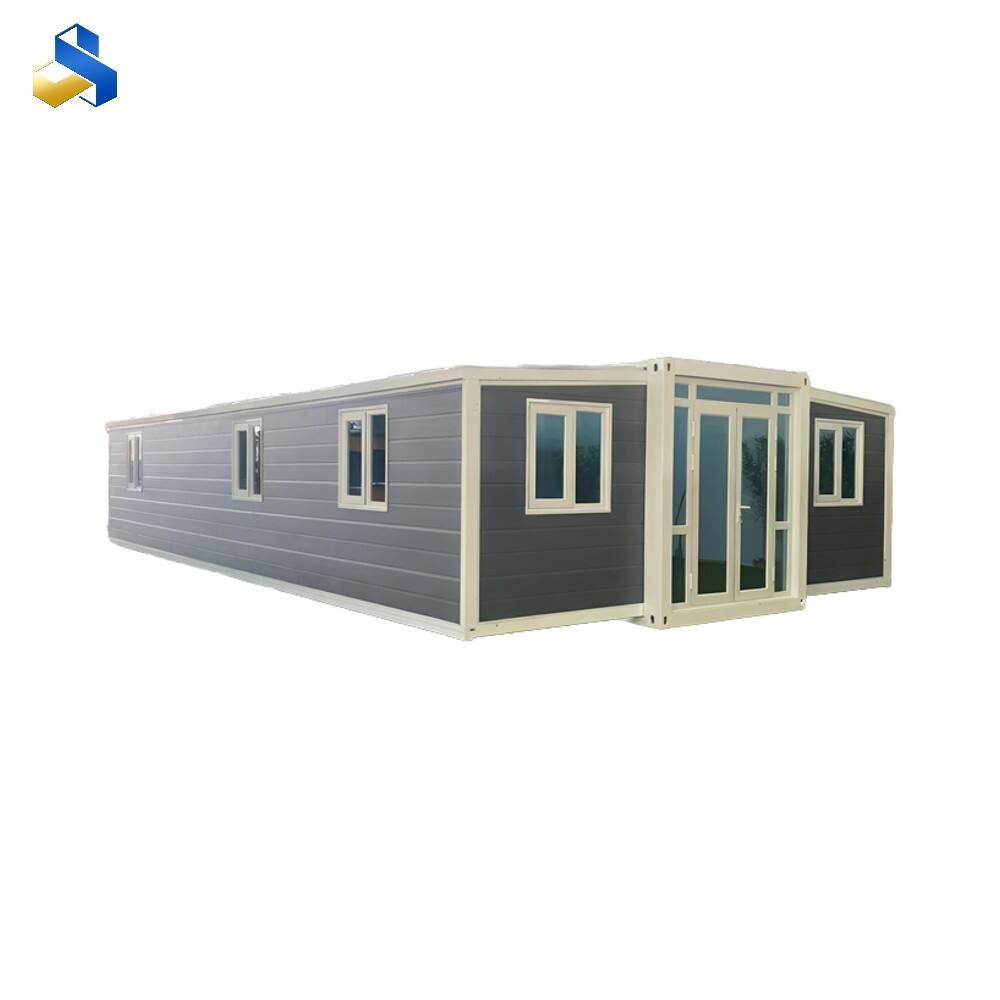
The Rise of Expandable Container Houses in Backyard Living
Growing Demand for Expandable Container Houses in Urban and Suburban Areas
According to recent data from city planning departments, there's been quite a jump in permits for expandable container houses over the past few years. We're talking about a 35% rise compared to last year alone since 2021 started this trend. The main reasons? Well, folks just can't find enough space these days with all the housing shortages going on. Now look at what's happening across American metropolitan regions: around 12 out of every 100 new accessory dwelling units being built are actually container homes. Homeowners get anywhere between 300 to 800 square feet of living area they can really make their own. People living in suburbs seem especially interested in these containers because they work so well as rental properties while also serving families who want multiple generations under one roof.
Trends in North America and Europe: Adoption of Backyard Container Homes
In 2023, North America experienced something like a 40% jump in deliveries of prefabricated container homes, though exact numbers vary by source. California and Texas stand out as major players in this trend, probably because of their growing populations and land costs that just keep rising. Across the Atlantic, Germany and Sweden have started incorporating these container homes into city planning efforts. Their energy efficiency helps local governments hit those tough EU carbon goals while still providing affordable housing options. What really sets these units apart is how fast they go up compared to regular buildings. Most folks report getting everything installed within around six to eight weeks, which is pretty amazing when we're talking about full houses instead of just additions or small structures.
How Expandable Container Houses Redefine Residential Space Utilization
By combining slide-out modules and vertical stacking, homeowners achieve 220% more functional space than static container designs. A 2023 MIT Urban Housing Study found that adaptive layouts reduce wasted square footage by 61% compared to conventional ADUs.
Case Study: Shandong Gouyu’s Role in Advancing Residential Container Housing
Leading manufacturers have developed corrosion-resistant steel frames that withstand temperatures from -40°F to 120°F while maintaining structural integrity. Their patented expansion systems enable single-day space adjustments, a feature adopted in 78% of new U.S. installations last year.
Strategic Integration of Expandable Container Homes into Existing Properties
79% of architects recommend positioning container units within 15° of south-facing main dwellings to optimize shared solar infrastructure. Modern designs incorporate native landscaping buffers and noise-dampening foundations to preserve neighborhood aesthetics.
Design Flexibility and Customization Options for Expandable Container Houses
Tailoring Expandable Container House Designs to Lifestyle and Aesthetic Needs
Expandable container houses adapt seamlessly to diverse lifestyles. Homeowners can choose layouts ranging from minimalist single-room units to multi-level configurations with slide-out bedrooms or foldable patio extensions. Exterior finishes—such as wood cladding, metal panels, or green walls—allow integration with urban or natural surroundings.
Space Optimization and Smart Interior Layouts in Compact Living Units
Innovative design maximizes functionality in compact spaces. Built-in storage under stairs, lofted sleeping areas, and convertible desks ensure every square foot serves multiple purposes. Vertical utilization through floor-to-ceiling shelving and modular furniture creates open, uncluttered interiors.
Balancing Standardization and Personalization in Modular Container Home Design
Standardized steel frames ensure durability and cost efficiency, while interior customization remains highly flexible. Owners select flooring, partition placements, and window configurations. Expandable sections can be oriented horizontally or vertically to suit site-specific constraints.
Smart Storage and Multi-Functional Furniture in Expandable Container Homes
Designers integrate ottomans with hidden compartments, expandable dining tables, and reconfigurable shelving. Foldable kitchen islands and retractable bed systems exemplify how practicality merges with modern design. Research shows these homes offer 40% more layout flexibility than static modular units, enabling personalized solutions without sacrificing durability.
Sustainability and Eco-Friendly Advantages of Expandable Container Houses
Repurposed Steel Structures: Sustainable Foundations for Modern Living
Expandable container houses repurpose decommissioned shipping containers, diverting over 3 million tons of steel annually from landfills (Global Steel Recycling Institute 2023). Modified containers retain 85—90% of their original strength, outperforming wood framing in extreme weather.
Energy Efficiency and Reduced Carbon Footprint of Container Homes
Advanced insulation and modular construction reduce energy consumption by 30—40% compared to traditional homes. Double-glazed windows and solar panel integration allow 65% of owners to reach net-zero energy status within two years, according to sustainable housing surveys.
Reusability and Relocation Potential in Green Building Practices
Unlike permanent builds, 92% of expandable container homes can be disassembled and relocated without damage—significantly cutting construction waste, which accounts for 25% of landfill volume in developed nations. Standardized connection systems support future expansions across properties.
Long-Term Environmental and Investment Value of Expandable Container Houses
Hybrid steel-and-composite construction ensures lifespans exceeding 50 years with proper maintenance, surpassing traditional suburban homes by 10—15 years. Early adopters report 22% lower lifetime ownership costs and insurance premiums averaging 18% below standard rates.
Fast Installation and Prefabricated Deployment of Expandable Container Homes
Prefabrication Benefits: Faster On-Site Assembly with Minimal Labor
Expandable container homes are 90% completed in factory settings, reducing on-site labor by 50—70%. This enables deployment in under 10 days for basic models—ideal for urgent needs like disaster relief or backyard projects. Pre-welded, insulated components minimize weather delays and ensure consistent quality, validated by rapid deployment prefab housing models.
Pre-Installed Electrical and Plumbing Systems Reduce Build Time by Up to 60%
Factory-installed utilities streamline setup:
- Electrical systems pre-wired to NEC standards
- Plumbing networks pressure-tested before delivery
- HVAC ducting integrated into wall panels
These efficiencies save 40—60 hours per unit (Modular Building Institute 2023), eliminating months of contractor coordination.
Navigating Regulatory Challenges in Rapid Backyard Housing Deployment
While 68% of U.S. municipalities accept expandable container homes as ADUs, permit processes vary. Submitting engineered drawings and ICC certification upfront can accelerate approvals by 2—3 weeks.
Innovative Expansion Mechanisms That Double Usable Living Space
Patented slide-out systems transform 20ft containers into 400 sq.ft dwellings without foundation changes. Dual-axis expansions maintain strength through corrugated steel interlocking—proven to withstand 120 mph winds in ASTM testing.
Versatile Applications of Expandable Container Houses in Residential Settings
Backyard Office, Guest House, or Rental Unit: Flexible Use Cases
These homes serve as home offices for remote workers, guest suites (60% faster to deploy than traditional additions), or income-generating rentals. A 2024 Modular Housing Report found that 78% of homeowners recover their investment within three years through rental income or increased property value.
Suitability Across Urban, Suburban, and Rural Living Environments
They comply with zoning in cities (rooftop extensions), suburbs (ADUs), and rural areas (cabins or equipment shelters). Corrosion-resistant steel ensures resilience across coastal, mountainous, and temperate climates.
Maximizing Usable Space Through Expandable and Modular Design Features
- Vertical expansion: Stackable units create two-story layouts without extra foundation work
- Horizontal expansion: Sliding sections add 50—120 sq ft in minutes
- Multi-season use: Insulated walls maintain efficiency across temperature extremes
Expandable Container Houses as a Long-Term, Reusable Real Estate Asset
These structures retain 85—90% resale value after relocation (Modular Building Institute 2023). Their standardized dimensions allow reconfiguration into offices, retail kiosks, or emergency shelters—offering a sustainable alternative to single-use construction.
FAQ
What is an expandable container house?
An expandable container house is a living unit constructed from modified shipping containers, which can expand horizontally or vertically to create additional space.
How long does it take to build an expandable container house?
The installation of expandable container houses typically takes six to eight weeks, thanks to prefabrication techniques that complete 90% of construction in factory settings.
Are expandable container houses environmentally friendly?
Yes, they are eco-friendly as they repurpose decommissioned shipping containers and use energy-efficient designs that reduce carbon footprints.
Can an expandable container house be customized?
Absolutely. Homeowners can customize layouts, finishes, and features to align with personal preferences and site-specific needs.
Are expandable container houses suitable for all climates?
Yes, with corrosion-resistant materials and insulation, these houses are suitable for various climates, including coastal, mountainous, and temperate areas.
Table of Contents
-
The Rise of Expandable Container Houses in Backyard Living
- Growing Demand for Expandable Container Houses in Urban and Suburban Areas
- Trends in North America and Europe: Adoption of Backyard Container Homes
- How Expandable Container Houses Redefine Residential Space Utilization
- Case Study: Shandong Gouyu’s Role in Advancing Residential Container Housing
- Strategic Integration of Expandable Container Homes into Existing Properties
-
Design Flexibility and Customization Options for Expandable Container Houses
- Tailoring Expandable Container House Designs to Lifestyle and Aesthetic Needs
- Space Optimization and Smart Interior Layouts in Compact Living Units
- Balancing Standardization and Personalization in Modular Container Home Design
- Smart Storage and Multi-Functional Furniture in Expandable Container Homes
- Sustainability and Eco-Friendly Advantages of Expandable Container Houses
- Fast Installation and Prefabricated Deployment of Expandable Container Homes
- Versatile Applications of Expandable Container Houses in Residential Settings
- FAQ