
 EN
EN
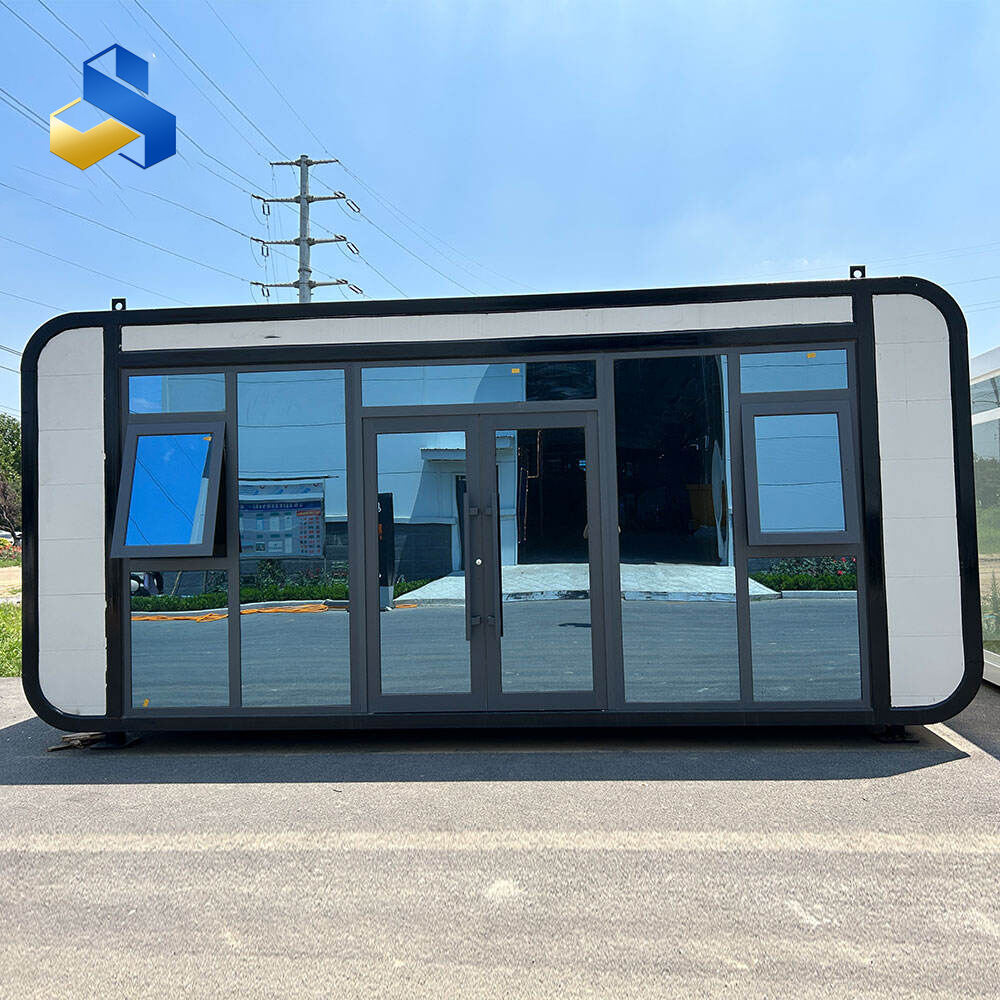
Factory-Imposed Structural Limits on Apple Cabin Customization
Standardized chassis and panel systems: How prefabrication constrains layout flexibility
Apple Cabins rely on factory made chassis and panel walls to maintain consistent structure, good quality control, and faster assembly when they arrive on site. The upside is definitely efficiency and reliable results, but there's a catch. Once these units leave the factory, changing the layout after the fact becomes really difficult. When compared to buildings constructed directly at the location, everything from room sizes to where windows go and how interior walls are placed gets locked in during manufacturing. Trying to move plumbing lines or electrical wiring that's built right into the structural panels just isn't possible without going back to the factory for major changes. So basically, Apple Cabins sacrifice some flexibility for better structural integrity and quicker setup times, which makes real on site modifications pretty much impossible for most people.
Load-bearing integrity vs. design freedom: Why wall removal or repositioning is restricted
The structural integrity of Apple Cabins depends heavily on key components like steel framed corner posts, roof trusses, and specially designed floor joists that work together to create continuous load paths throughout the building. Because of this design approach, pretty much every interior wall plays some role in supporting the structure itself. Finding truly non load bearing walls inside these smaller units (especially those below 400 square feet) is actually quite uncommon. When someone tries to remove or move walls around, they're not just messing with aesthetics but potentially putting safety at risk and invalidating any warranty coverage since these alterations disrupt the official load distribution plan. The company does offer some basic customization options at the factory level if needed, like installing extra partitions before delivery happens. But once everything gets installed on site, making structural changes simply isn't allowed anymore. This strict policy reflects how engineers prioritize long term durability over trendy open space concepts that might look good in magazines but fail under real world conditions.
Physical Dimension Constraints: Footprint, Height, and Layout Ceilings
Fixed Footprint Envelopes and Their Impact on Room Configuration Options
The floor plans for Apple Cabins come pretty much set in stone, based on standard widths ranging from 8 feet up to around 9 foot 6 inches, plus specific length options. With these fixed dimensions, there's not much flexibility when dividing up interior space. Most people end up merging their kitchen and living areas just to make sure no corners go wasted. Want to add extra bedrooms? That usually means giving up some storage space instead. The narrow hallways found in basic models are another issue altogether. They're often narrower than the 36 inch guideline suggested for accessible design, which makes it tough to accommodate wheelchairs or other mobility aids without cutting down on actual usable space inside.
Vertical Limitations: Ceiling Height, Mezzanine Feasibility, and Expansion Barriers
Ceiling heights are uniformly set at 7'6", meeting the International Residential Code (IRC R305.1) minimum for habitable space—but leaving little margin for ductwork, lighting fixtures, or acoustic insulation. Mezzanine additions face three critical barriers:
- Floor joists require professional engineer (PE)-stamped reinforcement to support added live loads
- Available headroom often drops below the IRC-mandated 6'8" minimum after accounting for subfloor, insulation, and finish layers
- Stair integration consumes 30–50 sq ft—up to 15% of total floor area in smaller units
Vertical expansion beyond the original height is structurally unviable without full chassis reinforcement. Standard side panels lack the load-bearing capacity to support second-story extensions, making retrofitting prohibitively expensive and technically complex.
Interior Adaptability Trade-offs: Accessibility, Aging-in-Place, and Spatial Compression
How compact dimensions restrict universal design customization (e.g., wheelchair pathways, grab bar integration)
Apple Cabin designs tend to squeeze too much into limited space, which runs against basic principles of universal design. Getting those standard accessibility requirements right becomes nearly impossible without cutting out important areas that homeowners actually need. For instance, creating that 36 inch walking space plus the 60 inch turn around circle required for wheelchairs? Good luck finding room for both without sacrificing storage or function somewhere else. And don't even think about adding proper grab bars as code demands walls strong enough to hold 250 pounds of force. Most prefabricated walls just aren't built for this kind of reinforcement. When someone wants wider doors or stronger support structures, they usually end up losing nearby cabinets or storage solutions. This dilemma forces many property owners to pick between keeping their original kitchen layout intact or making necessary safety improvements. The problem gets really serious when families want to modify homes for older adults who need extra space to move around safely. Every square inch matters when it comes to maintaining independence over time.
Smart Integration Constraints: Pre-Wired Systems and Retrofit Limitations
Embedded utility chases, fixed smart home hubs, and the end of post-build system customization
The Apple Cabins come with built-in utility chases and all sorts of smart home wiring during manufacturing. They include things like hardwired control centers, special cables for lower voltage needs, and specific communication methods. While this makes setting everything up much easier and works well with other Apple products, it also means there's not much room to upgrade technology after construction. Want to install something new? That usually requires cutting open walls or ceilings where they've sealed everything tight, which messes up the look and might damage hidden wiring underneath. The problem gets worse because many of these systems use Apple's own communication standards or older ones that aren't compatible with newer tech. Fixing all this could cost upwards of fifteen thousand dollars. Basically, when Apple decides how to wire these cabins from the start, they're locking in what features will be available forever. And that's a real issue since smart homes keep getting better and more advanced all the time.
FAQ
Can the layout of Apple Cabins be changed after they have been constructed?
No, once the Apple Cabins are constructed and have left the factory, changing the layout is extremely difficult. Modifications would require major factory-level changes.
Why are structural modifications not allowed on Apple Cabins once they are installed on-site?
Structural modifications are restricted due to the integral role that interior walls play in load-bearing and maintaining the structural integrity of the cabin. Any changes can disrupt load distribution and void warranty coverage.
Are there any options for customization before the Apple Cabin is constructed?
Yes, there are basic customization options available at the factory level, such as installing extra partitions before delivery. However, post-site installation modifications are not permitted.
Why is it challenging to implement universal design features in Apple Cabins?
The compact dimensions and standardized structure of Apple Cabins make it difficult to meet universal design requirements, like accommodating wheelchair pathways or installing grab bars.
Can smart home systems be updated in Apple Cabins after they are constructed?
Updating smart home systems post-construction is challenging due to pre-wired systems and closed utility chases. Making updates often requires significant alterations that can be costly.
Table of Contents
- Factory-Imposed Structural Limits on Apple Cabin Customization
- Physical Dimension Constraints: Footprint, Height, and Layout Ceilings
- Interior Adaptability Trade-offs: Accessibility, Aging-in-Place, and Spatial Compression
- Smart Integration Constraints: Pre-Wired Systems and Retrofit Limitations
-
FAQ
- Can the layout of Apple Cabins be changed after they have been constructed?
- Why are structural modifications not allowed on Apple Cabins once they are installed on-site?
- Are there any options for customization before the Apple Cabin is constructed?
- Why is it challenging to implement universal design features in Apple Cabins?
- Can smart home systems be updated in Apple Cabins after they are constructed?