
 EN
EN
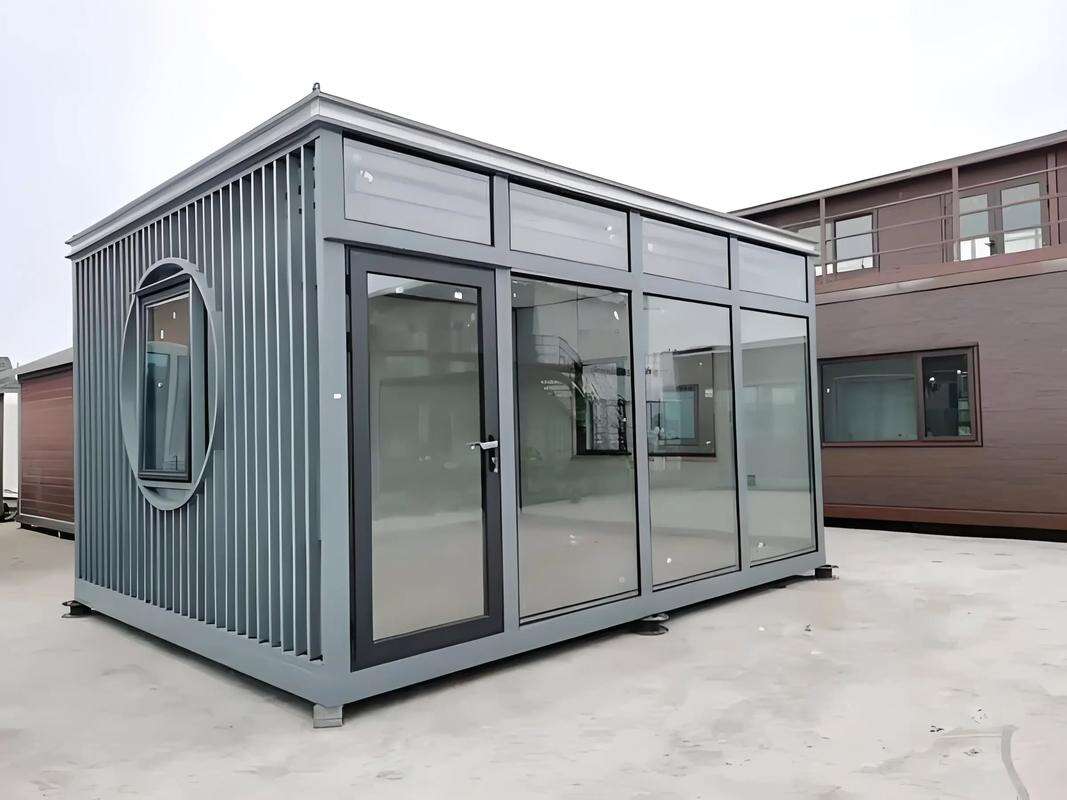
Reduced Shipping Volume and Cost Efficiency for Expandable Prefab Housing
Flat-Packed Design Cuts Container Usage: 10–12 Units per 40ft HQ Container
Prefab houses that can expand on site are changing how we think about moving buildings around. The walls simply fold down, roofs tuck neatly into floor sections, while the main frame stays strong throughout transport. When packed flat like this, around 10 to 12 units will fit into one standard 40 foot shipping container instead of only 1 or 2 regular prefabs. That means roughly 80 percent less space needed for shipping, which helps tackle the worldwide shortage of containers and gets more stuff moved at once. Plus, because everything stays protected inside steel frames during transport, there's far less damage when things arrive. This makes these expandable homes perfect for places like remote mining sites where bringing materials is tough, or areas hit by disasters needing quick shelter solutions. Traditional building methods just don't work well enough in these situations.
Freight Cost Reduction of 35–50% Through Optimized Packaging and Weight Distribution
Modular homes that can be transported save a lot on shipping costs because of two main approaches working together. The first trick is nesting the components so they fit tightly without wasting space inside containers, which cuts down how many containers are needed by around 60% for each home. The second benefit comes from distributing weight evenly across the load, reducing fuel usage that makes up almost a third of all shipping costs. When combined, these improvements bring down logistics expenses per unit by somewhere between 35% and 50% compared to regular prefabricated homes. Take this example: it actually costs less to ship twelve expandable units totaling 1,740 square feet than it does to move just three standard modular units. Standard corner castings help things go smoother when switching transportation modes at ports since there's no need to repackage everything again. This also means faster setup times for places needing temporary housing for workers or during peak tourist seasons when extra accommodation is suddenly required.
Enhanced Intermodal Transportability of Expandable Prefab Housing
Standardized Dimensions Enable Seamless Truck–Rail–Sea Transfers
Prefab units that expand on site are built to match ISO container specs exactly, which makes moving them between different transport options much smoother. A truck takes them from the manufacturing plant to the rail yard first, then they ride the rails across continents before finally getting loaded onto cargo ships for overseas trips. Standardized sizes mean there's no hassle with special cranes or permission slips when switching between transport methods, unlike those one-off buildings that require all sorts of accommodations at each stop. Real world numbers back this up too. Companies report saving anywhere from half an hour to almost an hour on transfers between different transport systems for each module. That might not sound like much until you multiply it across hundreds of units, but these time savings really add up and slash both labor expenses and equipment rental costs throughout the global supply chain for prefabricated construction materials.
Stacking Efficiency and Rapid Loading/Unloading Cut Yard Dwell Time by Up to 60%
The collapsible nature of these units allows them to stack vertically safely, usually around 2 or 3 high without any issues with stability. The built-in anchor points work great with forklifts, so loading and unloading takes less than 15 minutes total. That's actually about three quarters faster than regular modular buildings out there. When things move quicker through the yard, ships spend less time waiting. Real world numbers from ports indicate containers stay stored roughly half as long now, going down from eight whole days to just over three days. Getting stuff moved faster means fewer problems too. Weather related damages drop by nearly 60% when containers don't sit outside so long. And because everything goes smoother during those loading and unloading operations, physical damage rates fall by about a third compared to before.
| Transport Phase | Time Savings | Damage Reduction |
|---|---|---|
| Loading/Unloading | ≈ 15 minutes | 32% fewer incidents |
| Yard Storage | Up to 60% shorter | 57% less exposure risk |
Lifecycle Mobility: Relocatability and Reusability of Expandable Prefab Housing
Prefab housing that expands on site turns big upfront costs into something flexible for the long haul. These aren't your standard buildings though. When they need to move, these units come apart into standard parts that pack up easily. Real handy for companies whose work sites keep changing or towns dealing with property issues. Built with steel frames, they stay strong even after being taken down and put back together multiple times. We've seen them used in all sorts of ways too: first as temporary shelters during disasters, then converted into places to house workers seasonally, and finally turned into clinics out in remote areas. People who run these operations tell us about getting back 70 to 90 percent of their money after five to seven years, which means those initial investments don't just disappear but become assets that adapt as needed. During emergencies, special folding features let regions store plenty of units ready to go. Instead of waiting days, responders can have decent living spaces set up in just hours. This speed helps communities recover faster and often leads naturally to permanent structures later on. And it's not just for crisis situations either. Eco-tourism businesses love them because they leave little mark on nature, and researchers find them perfect for field stations where disturbing the environment is a big no-no.
Streamlined Regulatory Compliance for Expandable Prefab Housing Transport
Navigating Oversized Load Permits, Width Restrictions, and Site Access Requirements
Most expandable prefab units are under 8 feet wide when folded up, which keeps them within standard vehicle width limits in almost every area they might travel through. This means they avoid being classified as oversized loads about 7 out of 10 times during transportation. As per recent industry data from groups like the Modular Building Institute along with DOT transportation reports, this generally removes the need for special permits on most regular routes. However, smart planning around regulations is still pretty important because there are three main factors that can complicate things:
- Route-specific constraints, including low bridges, narrow urban corridors, and weight-restricted roads
- Jurisdictional variations, where permit rules differ across state, provincial, or national lines
- Destination site readiness, particularly crane access zones and ground bearing capacity
| Compliance Factor | Traditional Prefab | Expandable Prefab |
|---|---|---|
| Oversized Permits | Typically required | Avoided in 70–80% of cases |
| Route Flexibility | Limited | 40–60% improvement |
| Site Preparation | Extensive | Minimal |
Pre-shipment digital route mapping using GIS tools identifies potential bottlenecks early, while modular design allows real-time adjustments—such as selective panel removal—to accommodate unexpected restrictions. This integrated approach reduces administrative delays by up to three weeks versus conventional modular transport, accelerating project timelines without compromising regulatory rigor.
FAQ
What is the main advantage of expandable prefab housing compared to traditional prefabs?
The main advantage of expandable prefab housing is their ability to be transported in bulk using flat-packed designs, fitting 10 to 12 units in one shipping container. This drastically reduces space and cost associated with transportation.
How does an expandable design affect freight costs?
Expandable designs reduce freight costs by 35–50% through optimized packaging and weight distribution, requiring fewer containers and consuming less fuel.
Can expandable prefab housing be used in any location?
Yes, their adaptable design makes them suitable for remote areas, disaster recovery situations, and even eco-tourism businesses, offering flexibility and quick setup.
Are there regulatory challenges with transporting expandable prefab homes?
Most expandable prefab homes fit within standard transportation size limits, avoiding oversize load permits 70–80% of the time. However, careful planning is required to navigate route-specific and jurisdictional requirements.