
 EN
EN
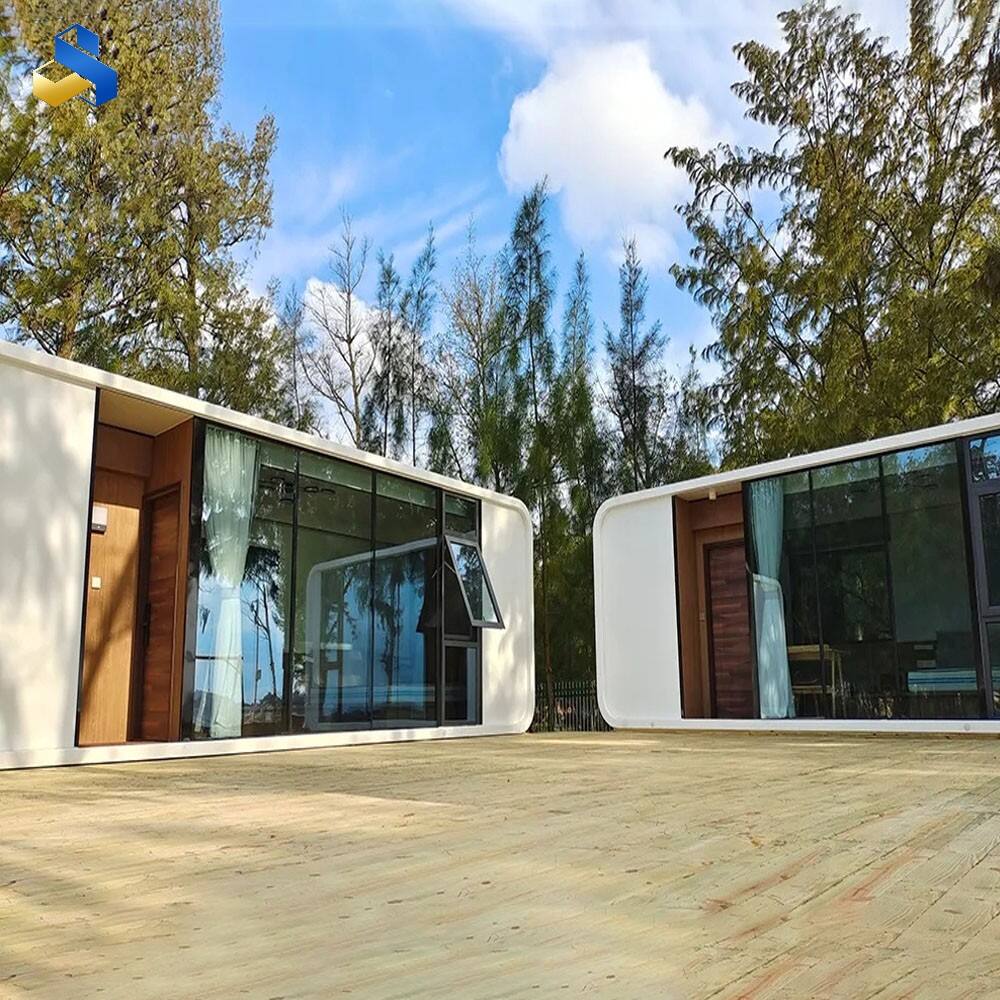
Material Quality and Finish Tiers Directly Determine Base Apple Cabin Tiny House Cost Per Square Foot
Premium materials (cedar cladding, SIPs, quartz) increase base cost per square foot by 25–40%
Specialized materials definitely drive up the price per square foot when building an Apple cabin tiny house. Structural insulated panels, or SIPs as they're called, offer better insulation properties than regular framing methods but come at around 20 to 30 percent higher cost for the materials alone. Then there's western red cedar cladding which people love because it lasts longer and resists rot naturally. That choice typically adds between eighteen and twenty four dollars per square foot compared to plain old pine wood. When looking at interior upgrades too, things get even pricier fast. Quartz countertops fall into this category of luxury items that bump overall costs up somewhere between twelve and eighteen percent. All these premium choices combined can push the starting price anywhere from twenty five to forty percent beyond what someone would pay for a basic model without all the fancy extras.
Three-tiered finish benchmarks: base ($275–325), standard ($350–425), and premium ($450–550) per square foot
Tiny home pricing follows predictable finish-tier gradients:
- Base Tier ($275–325/sq ft): Basic plywood interiors, vinyl flooring, and laminate surfaces
- Standard Tier ($350–425/sq ft): Hardwood accents, mid-range composites, and energy-efficient windows
- Premium Tier ($450–550/sq ft): Full SIP construction, luxury solid-surface countertops, and custom wood species
This stratification confirms that material selection and finish quality constitute 52–68% of base construction expenses—demonstrating how tiered choices dictate final cost per square foot while influencing long-term durability, energy performance, and resale value.
Design Complexity and Customization Nonlinearly Elevate Apple Cabin Tiny House Cost Per Square Foot
Architectural Features Add Significant Premiums
The Apple cabin tiny house ends up costing 12 to 22 cents more per square foot when it includes those steep pitched roofs, multiple levels inside, and those fancy curved walls compared to regular boxy designs. Building these special shapes needs extra engineering work and takes much longer to put together. For example, putting up a curved wall can take around 30% more time for framing than just working with flat surfaces according to recent data from 2024 construction reports. And then there's the materials problem too. Those angled roof designs mean cutting up a lot more roofing sheets than necessary, wasting about 15 to 20% of them in the process. All this adds up to higher costs for materials as well.
Interior Customizations Compound Costs
Major changes to floor plans typically cost between $18 and $32 extra per square foot. Take moving stairs around to fit higher ceilings as just one example. This kind of work means going back through all the structural calculations, reinforcing support beams, which usually runs anywhere from $1,200 to $2,100 for each adjustment made. When it comes to built-in furniture solutions, prices go even higher. Custom made cabinets alone tend to set homeowners back about $85 to $150 for every linear foot because they need special cutting techniques and quality hardware components. The real kicker though is how these modifications stack up against each other. Three separate structural tweaks might push overall expenses up by nearly 20% compared to what someone would pay for a standard build without any alterations.
Production Scale and Delivery Logistics Impact Real-World Apple Cabin Tiny House Cost Per Square Foot
The way factories produce Apple cabin tiny houses really affects how much each square foot costs at the end of the day. Manufacturers can save around 17% on labor costs per square foot when they build multiple identical units instead of creating one-of-a-kind custom homes. Why? Well, factory workers get better at doing the same tasks over and over again, buying materials in bulk cuts down on waste, and having standard designs means engineers don't have to keep revising plans all the time. But here's the catch: these cost savings only work for basic models that are 320 square feet or smaller with already designed floorplans. Once someone wants something bigger than that or makes major changes to the design, those savings start disappearing fast because customization brings back all sorts of complicated problems that drive up costs.
Factory assembly does move some costs around at the beginning stage, but it won't get rid of those expenses tied to specific locations. When deliveries go beyond 100 miles, the real cost per square foot goes up somewhere between 6% to maybe 9%. Why? Because special transport gear is needed plus all sorts of permits that nobody mentions when giving initial price estimates. Anyone wanting accurate numbers for their budget should remember two things though production scale limitations matter just as much as getting stuff to the final destination point in many cases.
Site-Specific Costs Inflate Effective Apple Cabin Tiny House Cost Per Square Foot Beyond Base Quotes
Land prep, foundation type, delivery distance (100 mi adds 6–9%), and utility hookups are frequently excluded from advertised per-square-foot pricing
Advertised Apple cabin tiny house cost per square foot rarely reflects site-specific realities that substantially inflate final expenses. Four critical factors routinely omitted from base quotes include:
- Land preparation: Costs for clearing, grading, and soil stabilization vary by terrain but typically add $1,000–$3,000
- Foundation requirements: Permanent concrete slabs cost 160–300% more than temporary pier systems
- Delivery logistics: Transport beyond 100 miles increases costs by 6–9% due to specialized equipment and permits
- Utility integration: Electrical, water, and sewer connections add $500–$2,500; off-grid solutions double those expenses
These combined variables can elevate effective costs by 15–25% above initial per-square-foot estimates. Delivery distance impacts demonstrate nonlinear scaling—every 50 miles beyond the 100-mile threshold compounds transportation fees by 3–4%, according to industry transport benchmarks. Budgeting for these hidden expenses prevents costly surprises during tiny home implementation.
FAQ
What factors increase the cost of an Apple cabin tiny house?
Factors that increase the cost include the use of premium materials like SIPs, cedar cladding, and quartz countertops, design complexity with features such as steep roofs and curved walls, and site-specific costs like land preparation and delivery logistics.
How much can delivery logistics affect the costs?
Delivery logistics can increase costs by 6% to 9% if the delivery goes beyond 100 miles due to the need for specialized transport gear and permits.
What are the different finish tiers available?
The finish tiers are Base Tier ($275–325/sq ft), Standard Tier ($350–425/sq ft), and Premium Tier ($450–550/sq ft), each offering different levels of interior quality and material choices.
Table of Contents
- Material Quality and Finish Tiers Directly Determine Base Apple Cabin Tiny House Cost Per Square Foot
- Design Complexity and Customization Nonlinearly Elevate Apple Cabin Tiny House Cost Per Square Foot
- Production Scale and Delivery Logistics Impact Real-World Apple Cabin Tiny House Cost Per Square Foot
- Site-Specific Costs Inflate Effective Apple Cabin Tiny House Cost Per Square Foot Beyond Base Quotes
- FAQ