
 EN
EN
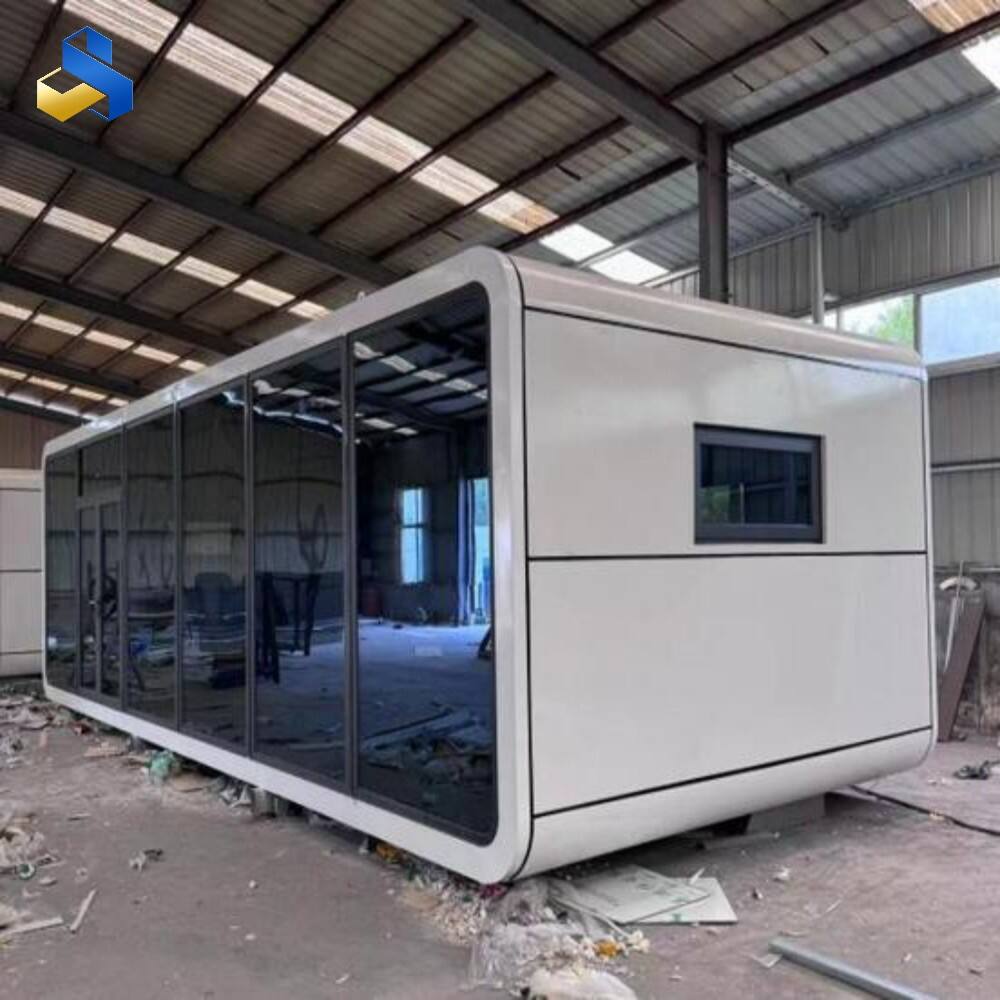
Container Sourcing and Structural Preparation
This foundational phase initiates the shipping container house factory workflow by securing structurally sound containers and preparing them for transformation. Factories prioritize structural integrity assessments to ensure safety compliance before customization begins.
Evaluating New vs. Used Containers: Certification, Corrosion Assessment, and Load-Bearing Readiness
When checking if shipping containers are good enough for reuse, manufacturers run thorough inspection protocols. Fresh containers come with their CSC (Container Safety Convention) papers already stamped, which basically confirms they meet all the strength requirements and can travel safely around the world. For secondhand ones, the real work starts. Technicians map out where rust has taken hold, especially looking at stress points such as those heavy duty corners and the bottom parts that take the brunt of wear. They use ultrasonic tools to measure how thin the metal has gotten over time. If any spot shows more than 10% thinning in areas that carry weight, that container gets sent back to the scrap pile instead of being converted into housing. After passing these tests, containers go through hydraulic pressure checks to see if they can handle 1.5 times what they're supposed to carry plus the weight of multiple units stacked on top. This whole process keeps people safe in the long run while still letting manufacturers keep their prefab container home business running smoothly.
Precision Cutting and Opening Fabrication for Doors, Windows, and Inter-Unit Connections
Once certified, containers move along to those computer guided cutting stations. There, CAD templates tell the plasma cutters exactly where to make openings, usually staying within about 2 mm tolerance. For windows and doors, laser aligned jigs do the positioning work while keeping those important structural ribs intact. The spots where units connect later get extra reinforcement through welded steel collars. Right after cutting, all those rough edges get ground down immediately followed by application of zinc rich primer sealant to stop rust from getting started. This whole process gives architects plenty of design freedom while still maintaining solid structural integrity something manufacturers rely on when building standardized container homes.
Structural Reinforcement and Engineering Compliance
Corten Steel Integration and Marine-Grade Subflooring for Long-Term Residential Durability
Manufacturers often go for weather resistant materials when they want buildings to last longer. Corten steel has become popular choice because it forms a protective layer of rust over time. When fabricating structures, welders focus on stress points where this special steel is joined together, which helps prevent corrosion issues down the road. Some studies suggest this approach cuts maintenance costs by around 40% versus regular steel according to research published in Construction Materials Journal back in 2023. For floors beneath ground level, builders now commonly use marine grade plywood infused with waterproof resins instead of standard wood products. This treatment stops water from seeping through and prevents mold growth especially important near coastlines or areas with high humidity levels. Putting all these components together involves several steps including cutting reinforcement panels with lasers for exact fits, sealing gaps between walls and flooring with epoxy, and allowing adhesives to cure properly under controlled humidity conditions. These methods have been tested and proven to give structures well over fifty years of useful life, way beyond what most homes typically achieve.
Frame Reinforcement for Multi-Story Stacking, Wind Loads, and Seismic Code Adherence
When it comes to structural improvements, engineers typically start by running computer simulations that show where extra support is needed. For vertical stacking, manufacturers install steel columns right at the corners of containers, which boosts their load capacity quite dramatically - around double what they could handle before when building multiple stories. To deal with strong winds, diagonal bracing systems are used that can withstand speeds over 150 mph. And in areas prone to earthquakes, special flexible joints help absorb the shaking from ground movements. Most factories make sure these reinforcement methods meet local building codes, since compliance isn't just about safety but also about avoiding costly delays during inspections.
| Reinforcement Type | Purpose | Compliance Standard |
|---|---|---|
| Moment-resisting frames | Earthquake protection | ASCE 7-22 |
| Shear wall panels | Wind load distribution | IBC 2021 |
| Gusset plates | Stacking integrity | ISO 1496-1 |
Post-reinforcement, units undergo hydraulic press testing at 1.5Ã design loadsâvalidating safety margins across the standardized container house manufacturing process.
Integrated MEP Installation and Interior Prefabrication
The process makes things much smoother at shipping container house factories when they install all the mechanical, electrical, and plumbing systems inside temperature controlled buildings before closing off the structure. Skilled workers put together ducts, electrical conduits, pipes, and wires through standard connections that cut down on site work coordination needs by roughly 40 percent compared to old methods. At the same time, interior parts like wall dividers, ceiling insulation, and utility spaces get built according to specific measurements. Before anything gets shipped out, these essential systems go through testing to make sure everything works properly from day one.
- Plumbing lines pressure-tested to 150% operational capacity
- Electrical circuits subjected to simulated peak-load verification
- HVAC ducts airflow-balanced to ±5% of design specification using automated sensors
This off-site validation eliminates 92% of post-installation defects (Modular Construction Institute, 2023), minimizing rework and ensuring code compliance before units leave the factoryâaccelerating timelines while maintaining strict quality control across the prefab container home production process.
Factory-Installed Mechanical, Electrical, and Plumbing (MEP) Systems with Pre-Commissioned Testing
Testing happens in factory settings where they can validate systems in ways that just aren't possible once everything's installed at the actual location. For electrical panels, engineers run them through simulated high demand situations to see how well the circuit protection works. Plumbing systems get put through their paces with long pressure tests to catch those tiny leaks that might otherwise go unnoticed. And before walls get sealed up, HVAC units go through careful airflow adjustments to make sure everything blows just right. When these units leave the factory floor, they come with all sorts of performance paperwork attached. This means when they arrive at construction sites, workers can hook things up quickly without waiting for extra checks. The whole process really lives up to what container unit manufacturers promise customers about getting fully functional spaces ready to occupy straight out of the box.
Final Assembly, Quality Assurance, and Transport Readiness
Modular Line Assembly, Jig-Based Alignment, and Cross-Functional QA Protocols
During the last phase of production, modules move through their own special assembly line. Here, those jig fixtures keep things pretty straight with about 2mm accuracy on both structural parts and where different components connect. The quality control folks work together too - we're talking structural engineers alongside electricians and plumbers who all check things at the same time. They use digital measuring devices and follow real time checklists that match up with official blueprints. According to some research from the Offsite Construction Council back in 2023, this whole system cuts down assembly mistakes by around 15%. Plus it makes sure everything that needs to bear weight is properly connected and all the pipes and wires go through correctly before anything gets shipped out. This helps maintain consistent quality throughout the entire shipping container house manufacturing process.
Weatherproofing, Final Commissioning, and Logistics-Optimized Packaging for Site Delivery
After assembly, these units get sealed with marine grade polyurethane at every seam and thermal break where the framing meets. The result? An impressive air tightness rating around 0.05 air changes per hour. Before they leave the factory floor, there's something called FAT testing which basically throws them through their paces against simulated hurricane force winds and heavy rain conditions. They want to make sure all those mechanical, electrical and plumbing systems work together properly before disconnecting everything for shipping purposes. To keep things secure during transit, special corner blocks resist compression while custom made cribbing absorbs shocks from vibrations and impacts along the way. According to the Modular Building Institute stats from last year, this setup cuts down on shipping damage by about thirty percent. And once these modules reach their destination, the whole commissioning process typically wraps up within just two days flat, meaning buildings can start functioning almost immediately after arrival on site.
FAQ
Are used shipping containers safe for housing?
Yes, but they must pass rigorous inspections for corrosion, structural integrity, and be certified for load-bearing readiness.
What materials are used for long-term durability in container homes?
Corten steel and marine-grade plywood are commonly used for their resistance to weather and moisture.
How are container homes weatherproofed?
They are sealed with marine-grade polyurethane and undergo simulated tests for extreme weather conditions before leaving the factory.