
 EN
EN
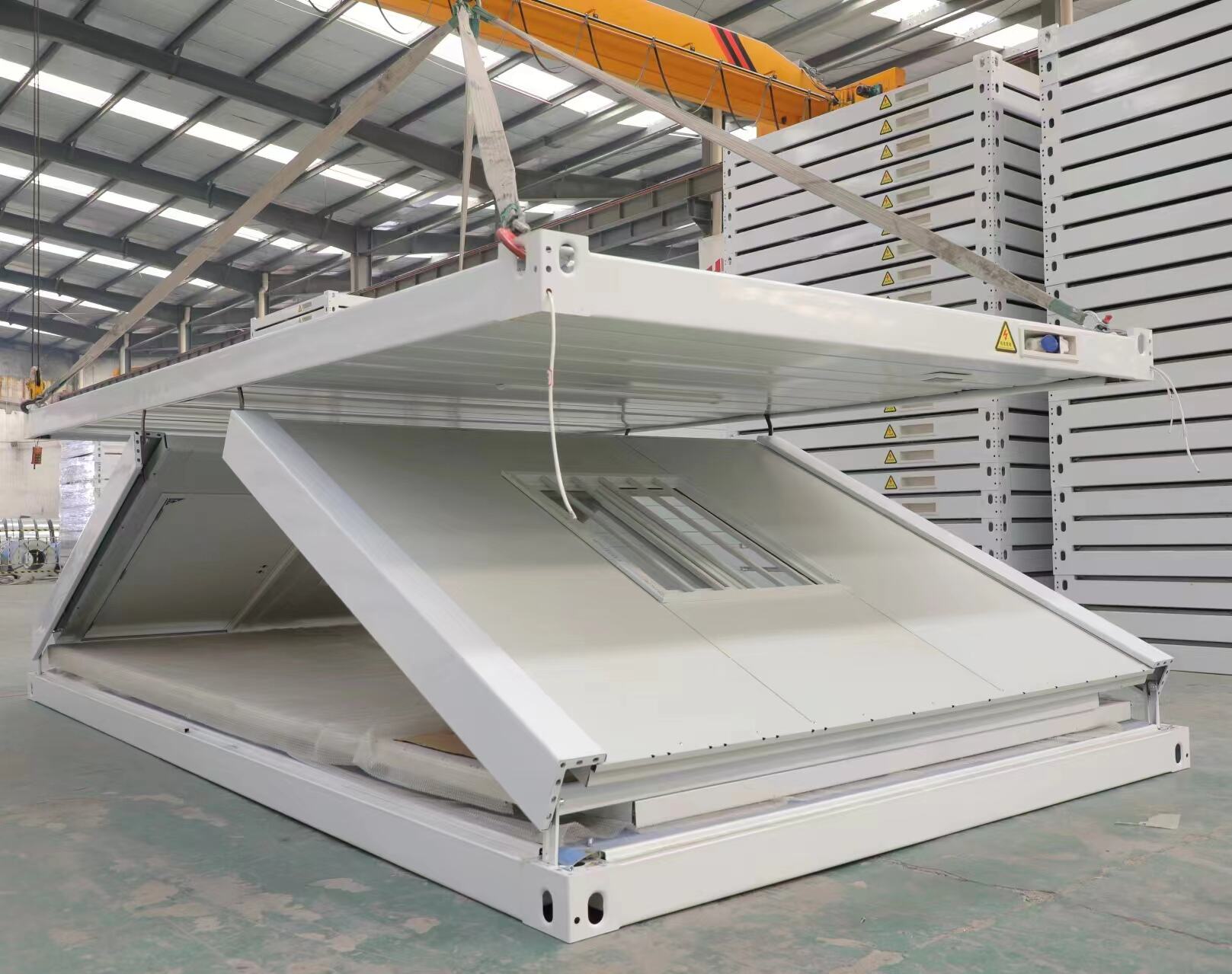
Preventing Cascading Failures Through Stage-Gated Quality Control
Material Sourcing Verification: Ensuring Corrosion-Resistant Steel and Certified Insulation
Checking materials thoroughly before anything gets built stops problems from ruining the whole structure right from day one. When steel arrives on site, we run it through spectral tests to make sure it can handle rust issues especially important if these buildings will stand near saltwater or in damp climates. The insulation stuff? We compare every batch against those ASTM standards C1303 and C1319 because nobody wants their walls turning into ice boxes or catching fire easily. These checks actually cut down failures later on in prefabricated container homes by around 23% according to industry quality reports. And when something doesn't pass muster? Suppliers get called out fast with detailed feedback so they know exactly what went wrong. That kind of traceability makes everyone responsible for quality right from where the materials come from.
In-Line Weld & Structural Connection Inspections: Catching Flaws Before Enclosure
Inspections happening right there during assembly help catch those pesky weld problems before any panels get sealed away. Every now and then, about every 45 minutes really, technicians run these ultrasonic tests on the important load bearing joints. They check how things look compared to those digital twin models we've got set up according to those industry standards like ASME Section IX and AWS D1.1. When they spot big issues like porosity spots, areas where the metal didn't fully fuse together, or those nasty little undercuts? Those get marked immediately for fixing in the same production run. According to Factory Built Home Safety Council data from last year, this whole process catches around two thirds of all structural problems. That means no tearing down expensive modules later on, and keeps quality pretty much the same throughout all our modular manufacturing operations.
Final Pre-Shipment Audit: Alignment with ISO 9001 and Site-Specific Compliance Requirements
The full circle inspection process checks if dimensions are within acceptable ranges (+/- 2mm), confirms electrical safety according to NEC Article 550 guidelines, and makes sure everything complies with regulations before anything gets shipped out. Each unit goes through special testing based on where it will end up - we simulate extreme weather conditions ranging from freezing Arctic temperatures at minus 40 degrees Celsius all the way to scorching desert heat reaching 55 degrees Celsius. This helps us see how well our products actually perform when they arrive at their final location. For ISO 9001 certification, we need paper trails showing every step of quality control was properly handled. That means keeping track of calibration records so we can trace them back later, plus making sure inspectors have proper credentials too. At the end of production line, there's one last checkpoint ensuring these prefabricated container homes satisfy local building codes regarding earthquake resistance as outlined in IBC Chapter 16, withstand hurricane force winds specified in ASCE 7-22 standards, and follow energy efficiency rules from IECC 2021. These detailed audit records give everyone involved - contractors, authorities having jurisdiction, and outside inspectors - clear visibility into what happened during manufacturing.
Ensuring Long-Term Durability and Occupant Safety in Quality Control Prefab Container Homes
Container homes built offsite can last for decades if done right, but it takes proper quality checks to turn that promise into reality. According to a study from the Modular Building Institute back in 2023, homes that go through third party testing actually hold up about 40 percent better over time compared to those that skip these steps. The tests involve putting containers through simulated heat cycles, exposing them to water conditions, and checking how they handle heavy loads. What this means is that insulation stays intact even when temperatures swing wildly outside normal ranges. Plus, the connections between containers remain strong during earthquakes so people inside stay safe no matter what shakes loose around them.
Thermal, Moisture, and Load-Bearing Performance Validated by QA Protocols
Keeping an eye on materials while they're being fabricated helps spot weak spots long before anything gets assembled. Thermal imaging comes in handy here too, checking if insulation has been installed properly across surfaces. This prevents those annoying issues with condensation causing corrosion either behind cladding panels or deep inside wall spaces where no one can see them. When it comes to welding joints, pressure tests simulate heavy snow loads up around 150 pounds per square foot. These tests cut down structural failures by about 92 percent when compared just looking at things visually according to research published last year in Structural Safety Journal. The good news? All this testing information gets fed right into what we call a digital twin of each unit. Manufacturers then use these twins not only to track how well products perform over time but also to back up warranty claims when needed.
Fire Resistance, Acoustic Separation, and Indoor Air Quality as QC-Mandated Metrics
Safety for people living in these spaces isn't just about how strong the walls are. Wall assemblies must pass mandatory combustion tests according to ASTM E119 standards, which typically results in fire ratings lasting over an hour. We also screen for volatile organic compounds (VOCs) to make sure the indoor air quality meets both World Health Organization recommendations and California's stricter CARB Phase 2 requirements. When it comes to noise control, our acoustic separation methods have been tested and proven to reduce sounds between units by around 52 decibels, following ASTM E90 and E492 testing procedures. This kind of sound insulation really makes a difference in day to day living, especially when multiple containers are converted into housing. All these quality control checks transform simple metal boxes into actual homes that prioritize occupant well being alongside basic shelter needs.
Meeting Regulatory Standards and Market Trust Through Rigorous QC Documentation
Quality control documentation goes way beyond mere paperwork. It forms the foundation for meeting regulations and maintaining credibility in the marketplace. When following ISO 9001 standards, manufacturers need detailed records throughout production including things like material certifications such as mill test reports, regular inspection logs, non-destructive testing reports, plus calibration certificates for all equipment used during testing. These records create an audit trail that shows compliance not only with major building codes like IBC, IRC, and NFPA 5000 but also important environmental rules regarding things like formaldehyde emissions under EPA TSCA Title VI. According to data from Modular Building Institute in 2023, companies that maintain thorough documentation systems actually cut down on rework costs by around 23%. Beyond saving money, good documentation practices build trust with clients because they can see exactly what steps were taken. Strong quality control isn't just about ticking boxes anymore. It turns what was once considered an overhead expense into something that sets businesses apart in competition. Both regulatory inspectors and everyday homeowners appreciate knowing their manufactured homes meet strict standards for durability, safety, and long term performance.
FAQ
What are the main stages in the stage-gated quality control for prefab container homes?
The main stages include material sourcing verification, in-line weld and structural connection inspections, and final pre-shipment audit to ensure compliance with relevant standards and regulations.
Why is quality control important in prefab container homes?
Quality control ensures the long-term durability and safety of prefab container homes, reducing failures, maintaining standards, and building trust with homeowners and regulatory bodies.
How do manufacturers ensure the fire resistance and indoor air quality of container homes?
Manufacturers use combustion tests according to ASTM E119 standards for fire resistance and screen for VOCs to ensure indoor air quality, meeting both WHO and CARB Phase 2 requirements.
What documentation is needed to meet regulatory standards for prefab container homes?
Documentation includes material certifications, inspection logs, non-destructive testing reports, and calibration certificates to comply with standards like ISO 9001 and building codes such as IBC and IRC.
Table of Contents
- Preventing Cascading Failures Through Stage-Gated Quality Control
- Ensuring Long-Term Durability and Occupant Safety in Quality Control Prefab Container Homes
- Meeting Regulatory Standards and Market Trust Through Rigorous QC Documentation
-
FAQ
- What are the main stages in the stage-gated quality control for prefab container homes?
- Why is quality control important in prefab container homes?
- How do manufacturers ensure the fire resistance and indoor air quality of container homes?
- What documentation is needed to meet regulatory standards for prefab container homes?