
 EN
EN
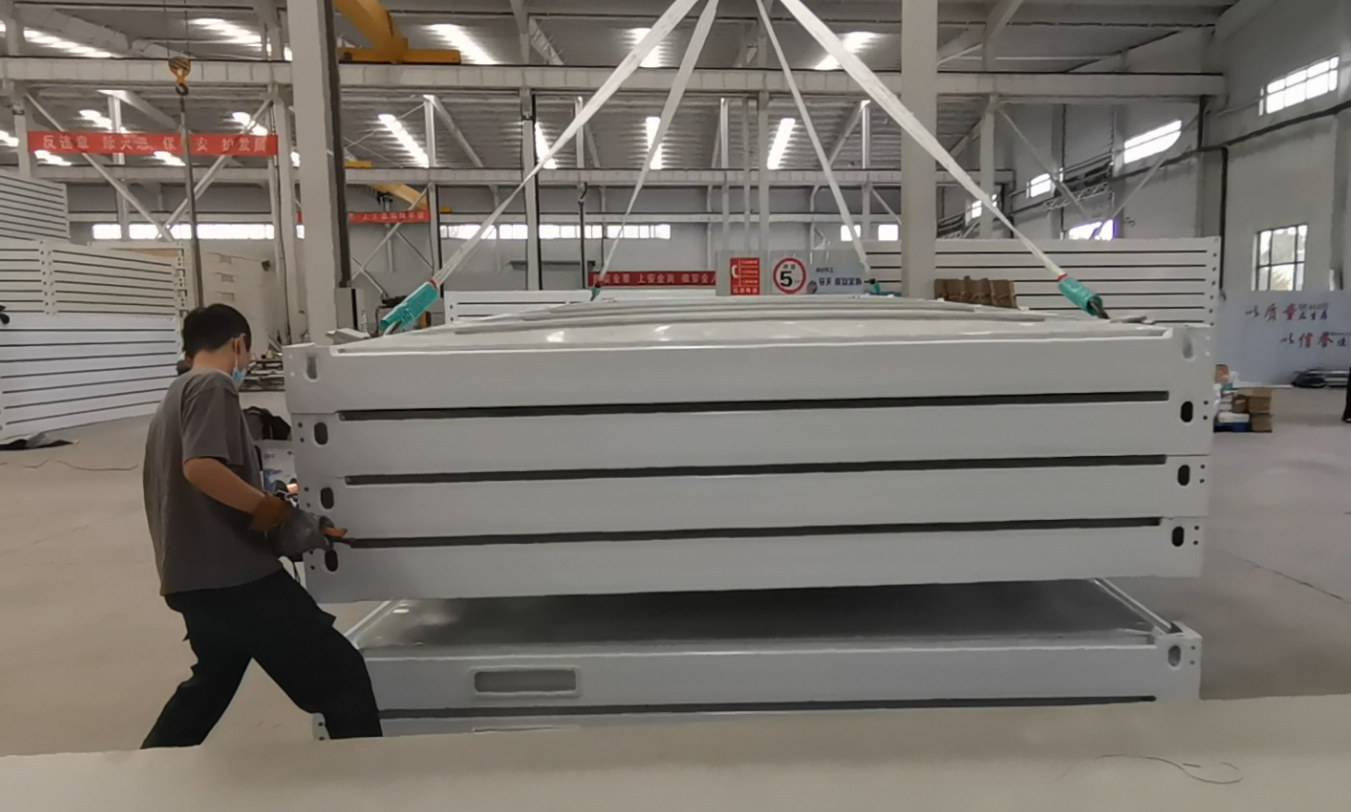
Precision Automation: CNC Cutting and Robotic Framing in Light Steel Production
High-speed CNC plasma and laser cutting for galvanized steel profiles
CNC systems are changing how materials get processed in many light steel villa factories throughout China. The latest plasma and laser cutters can shape galvanized steel profiles with incredible precision at the micron level, which keeps those thousands of identical modules structurally sound. Automated cutting setups handle complex shapes about three times quicker than what workers could manage manually, plus they cut down on wasted material somewhere around 22%. What makes laser cutting so valuable is that it doesn't touch the metal surface, so the protective zinc coating stays intact on galvanized steel. This matters a lot for prefab houses since that coating determines how long the structures will last outdoors. With such consistent results, manufacturers can offer customized designs while still meeting all quality requirements and staying within the GB/T 2518 specifications for proper galvanized steel treatment.
Robotic framing cells for automated assembly of wall, floor, and roof trusses
Robotic framing cells now handle the assembly of light steel components with remarkable consistency. These systems use six axis robotic arms to place those C-sections and tracks just right at exact angles. The connections get secured through what's called weld-on-dot tech which actually cuts down on heat distortion problems while keeping everything dimensionally stable. Before any fastening happens, vision guided systems check where each part goes, making sure they're positioned within about half a millimeter accuracy. This eliminates those pesky manual measurement mistakes that always seem to cause headaches during installation. Manufacturers who've adopted this technology typically see production times drop by around 40%, plus labor expenses go down about 30%. And despite these savings, buildings still meet all the strength requirements set out in China's GB 50018 standards for cold formed steel structures. With their ability to run almost continuously seven days a week except Sundays, these cells make sense for big villa developments where clients want reliable construction schedules without compromise on quality.
Intelligent Quality Assurance: AI and IoT for Real-Time Monitoring
Automation technologies are redefining quality control in China's light steel villa factories—replacing intermittent manual inspections with continuous, AI- and IoT-driven monitoring. These systems uphold structural integrity, reduce scrap, and support sustainable prefab construction by catching defects early and preventing downstream rework.
Computer vision systems detecting weld defects and dimensional deviations
Computer vision systems powered by artificial intelligence check each weld joint and structural part through detailed imaging and machine learning algorithms that have been properly trained. These systems spot tiny issues like micro cracks, areas where metal hasn't fully fused together, and size differences down to just 0.2 millimeters. The detection rate is pretty impressive too, around 95 percent accurate, so any parts that don't meet standards get flagged immediately during production. Such precise checking helps avoid hidden structural problems in lightweight steel houses while also cutting down on delays from manual inspections. This matters a lot in factories making lots of units at once because consistent quality simply cannot be compromised.
IoT-enabled predictive maintenance for CNC machines and robotic arms
IoT sensors built into manufacturing equipment keep an eye on things like vibrations, heat levels, and power usage throughout CNC cutting machines and robotic assembly areas. The system spots problems early on, like when bearings start wearing down in those servo motors, and sends out warnings so technicians can fix them before anything breaks completely. Companies using this kind of predictive maintenance cut their unexpected downtime by about two thirds compared to old fashioned monthly checkups. Plus, these smart sensors help maintain super tight tolerances during long production cycles, keeping cuts accurate at the micron level. What's more, all that real time data gets used for automatic calibrations too, meaning machines stay in top form without needing constant hands on adjustments from operators.
Digital Twin and BIM Integration: Connecting Design to Automated Production
Synchronized digital twin platforms linking BIM, scheduling, and shop-floor execution
Digital twin platforms unify Building Information Modeling (BIM), production scheduling, and shop-floor automation in China's light steel villa factories. By feeding validated BIM models directly into CNC controllers and robotic framing cells, these systems eliminate error-prone manual translation steps and reduce design-to-fabrication discrepancies by up to 70%.
Key benefits include:
- Real-time clash detection between architectural, structural, and MEP layers
- Dynamic scheduling adjustments based on live material inventory and machine availability
- Live performance tracking of robotic welding stations via integrated IoT sensors
Engineers working on villa projects find that updating the BIM model triggers automatic recalibration of cutting paths for those galvanized steel profiles, while also tweaking how robots assemble things. This creates what some call a closed loop system, which saves about 40% on fixing mistakes later and speeds up getting orders out the door. Top companies using this approach report seeing roughly 90% fewer changes needed at the actual construction site because everything gets made so precisely beforehand. What makes this really interesting is how the production process feeds back into improving future BIM models. Each completed project becomes another data point in making manufacturing smarter over time, helping factories become more efficient without constant trial and error.
The Future Is Unmanned: Dark Factories in China Light Steel Villa Manufacturing
The light steel villa manufacturing sector in China is moving fast towards what's called dark factories these days production plants that run around the clock with no lights on and nobody walking around inside. These smart factories rely heavily on artificial intelligence systems working alongside robots connected through internet of things networks. What makes them special is how they cut down on costs associated with having people onsite while still managing to produce components with incredible precision at the micron level. Electricity usage has gone down somewhere around 40 percent according to recent reports, which definitely helps China work towards its ambitious carbon neutral target set for 2060. Plus, since these facilities never stop running, they can keep up with the growing market for prefabricated homes without any delays in delivery schedules.
One major electronics company has shown how scalable this approach really is, hitting production speeds of one unit every single second thanks to their synchronized robotic assembly lines. This proves that when it comes to automation, fast production doesn't have to mean compromised quality. The implications for light steel villa manufacturing are pretty significant too. We're talking about much tighter building specifications, defect rates that hover around zero, and getting products to market way faster than before. But there's another side to all this progress. The workforce needs to adapt as well. Traditional jobs aren't disappearing entirely but transforming instead. Workers now need to understand AI systems, integrate different technologies, and handle predictive maintenance tasks. These new skill sets will be crucial if manufacturers want to keep their operations running smoothly in these increasingly intelligent factory environments.
FAQ Section
What are CNC systems used for in light steel production?
CNC systems are used to cut galvanized steel profiles with high precision, improving efficiency and reducing material waste.
How do robotic framing cells enhance construction?
Robotic framing cells automate the assembly process of light steel components, ensuring high accuracy and reducing errors in construction.
What roles do AI and IoT play in quality assurance?
AI and IoT replace manual inspections with real-time monitoring, maintaining structural integrity, detecting defects, and optimizing predictive maintenance.
How do digital twin platforms benefit manufacturing?
Digital twin platforms synchronize design, scheduling, and production processes, reducing discrepancies and improving fabrication accuracy.
What is a "dark factory"?
A "dark factory" is a highly automated production plant that operates without human presence, enhancing efficiency and reducing energy consumption.
Table of Contents
- Precision Automation: CNC Cutting and Robotic Framing in Light Steel Production
- Intelligent Quality Assurance: AI and IoT for Real-Time Monitoring
- Digital Twin and BIM Integration: Connecting Design to Automated Production
- The Future Is Unmanned: Dark Factories in China Light Steel Villa Manufacturing
- FAQ Section