
 EN
EN
Steel Structure Factory Installation Instructions
Portal steel frame buildings are commonly used in industrial, agricultural, and commercial construction due to their durability, versatility, and cost-effectiveness. The installation of a portal steel frame requires careful planning, precise execution, and adherence to safety standards to ensure structural integrity. In this article, we will walk through the general steps involved in the installation process of a portal steel frame structure
1. Preparation and Planning
Before the installation of a portal steel frame can begin, proper site preparation and planning are essential. The following factors must be considered:
Site Survey: A thorough site survey must be conducted to determine the layout, soil conditions, and any existing structures or obstructions. Accurate measurements are crucial for the placement of the steel frame components.
Foundation: The foundation is the most important element of the building structure. A portal steel frame typically requires a concrete slab or foundation footings. The design of the foundation should account for the weight of the structure and any additional loads it will carry. It is essential to follow the engineering drawings to ensure the foundation is level and aligned.
Delivery of Materials: Steel components such as columns, rafters, braces, and purlins are fabricated off-site and delivered to the construction site. Ensure that all components are available and accounted for before beginning the installation.
2. Assembly of the Steel Frame
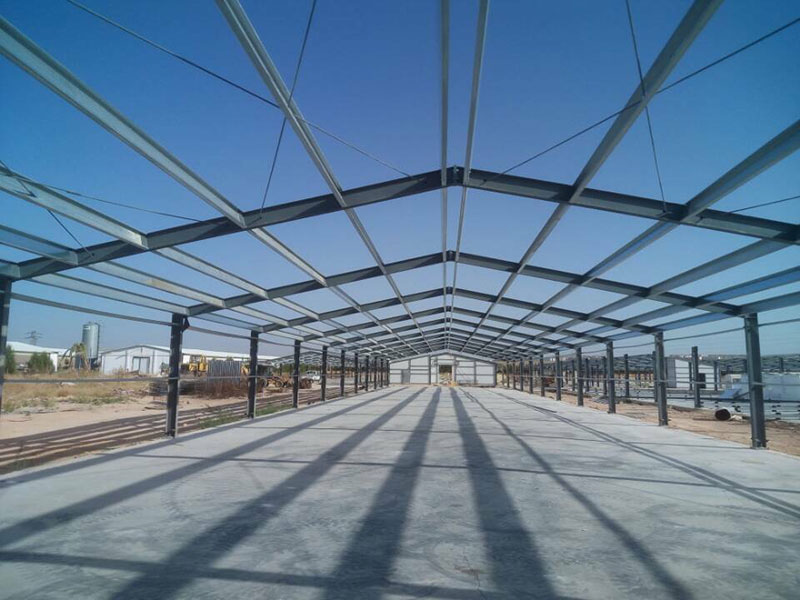
The portal steel frame assembly consists of the main structural elements: columns, rafters, purlins, and bracing. The frame is erected step by step, with each part being carefully positioned and secured.
Column Installation: The first step in erecting a portal steel frame is the installation of the vertical steel columns. These columns are usually anchored into the foundation using bolts or base plates. Depending on the size and design of the building, the columns may be installed using a crane to lift them into place.
Rafter Installation: Once the columns are in place, the next step is to install the roof rafters. The rafters are typically connected to the top of the columns using steel connections, which may involve welding or bolting. The rafters are the horizontal beams that span the width of the building and form the roof structure.
Bracing: Braces are installed between the columns and rafters to provide stability to the frame and prevent any swaying or deformation. These braces can be made from steel rods or angled steel beams. Diagonal bracing is often used to enhance the rigidity of the structure.
Purlin Installation: The purlins are horizontal members that run along the length of the building and provide support for the roof cladding. Purlins are fixed onto the rafters and typically spaced at regular intervals. They are secured with bolts or clips, ensuring that the roof will be able to support the weight of the cladding material and any additional loads.
3. Roof and Wall Cladding
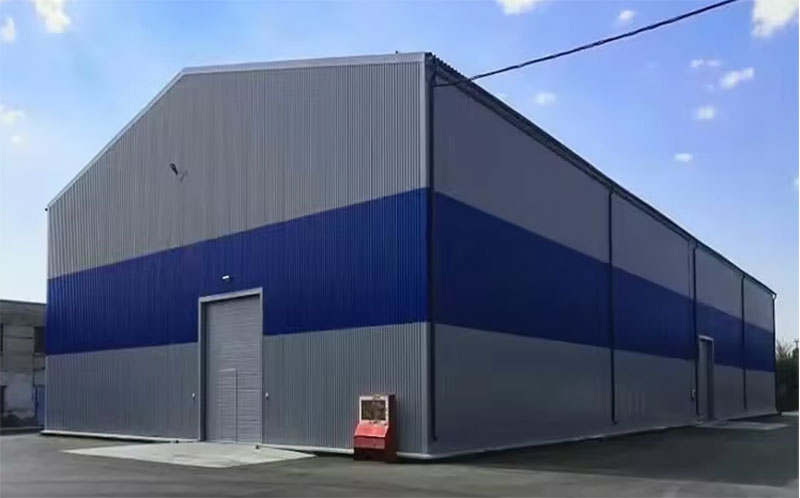
Once the steel frame is fully assembled, the next step is to install the roof and wall cladding. The cladding materials, which can be made from corrugated steel, aluminum, or other materials, provide weatherproofing and insulation for the building.
Roof Cladding: The roof cladding is fixed onto the purlins, overlapping to form a watertight seal. Special attention must be paid to the roof slope and the alignment of the panels to ensure proper drainage.
Wall Cladding: Similar to the roof, wall cladding is attached to the frame using brackets, clips, or screws. The panels are typically installed from bottom to top, with overlaps to prevent water ingress.
4. Final Touches and Quality Control
After the frame is erected and the cladding is in place, several finishing tasks are required before the building is ready for use.
Painting and Coating: To protect the steel from rust and corrosion, the steel frame is usually coated with a protective paint or galvanization. This coating must be applied according to the manufacturer’s recommendations to ensure long-term durability.
Electrical and Plumbing Systems: If the building will house any utilities, electrical wiring, and plumbing systems should be installed after the frame is complete. This includes running pipes, ducts, and cables through designated channels in the frame.
Inspection: A final inspection must be conducted to ensure that the steel frame installation meets all design specifications and safety standards. This may include checking for alignment, load-bearing capacity, and the quality of welding or bolting connections.
5. Safety Considerations
Throughout the installation of the portal steel frame, safety must be a top priority. Some important safety measures include:
Personal Protective Equipment (PPE): Workers should wear appropriate PPE, including hard hats, gloves, steel-toed boots, and safety harnesses when working at heights.
Cranes and Lifting Equipment: When using cranes to lift heavy steel components, workers must be properly trained, and the lifting equipment must be regularly inspected for safety. Additionally, the worksite should be clear of any obstacles or personnel when lifting operations are taking place.
Scaffolding: For tasks that require working at height, scaffolding should be erected to provide a stable platform for workers to stand on.
Conclusion
The installation of a portal steel frame is a complex but highly efficient process that requires skilled labor, proper planning, and a solid understanding of structural engineering. By following the proper steps, ensuring safety, and conducting thorough quality checks, the portal steel frame building will provide a durable, cost-effective structure that will serve its intended purpose for many years.