
 EN
EN
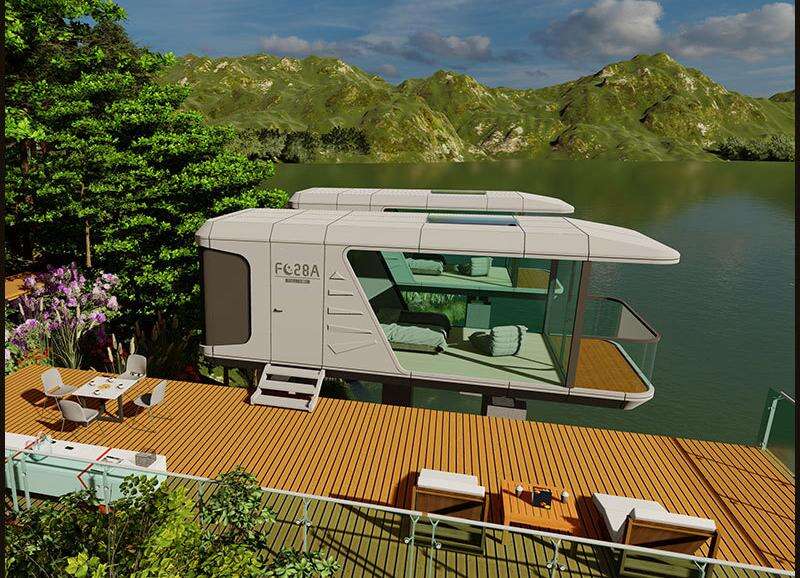
Maximizing Space Efficiency in Space Capsule Cabin Design
Open Floor Plans for Seamless Interior Flow
Modern space capsule designs create better living spaces by getting rid of extra walls, which makes the whole area feel more open and connected. People actually perceive these spaces as being about 34% bigger than they really are, according to some recent research from Spatial Design Institute back in 2023. The lack of walls lets sunlight come through those big windows all across the cabin interior. Plus, this design helps air move around more naturally without needing so much power for ventilation systems. Most astronauts report feeling less claustrophobic too when there aren't so many barriers separating different parts of their habitat.
Hidden Storage Solutions Under Beds and Within Walls
Strategic voids in structural elements conceal climate-controlled compartments for seasonal items. Hydraulic lift beds provide 18–24 cubic feet of storage for luggage and bulk supplies, while false wall panels hide maintenance access points without compromising aesthetics.
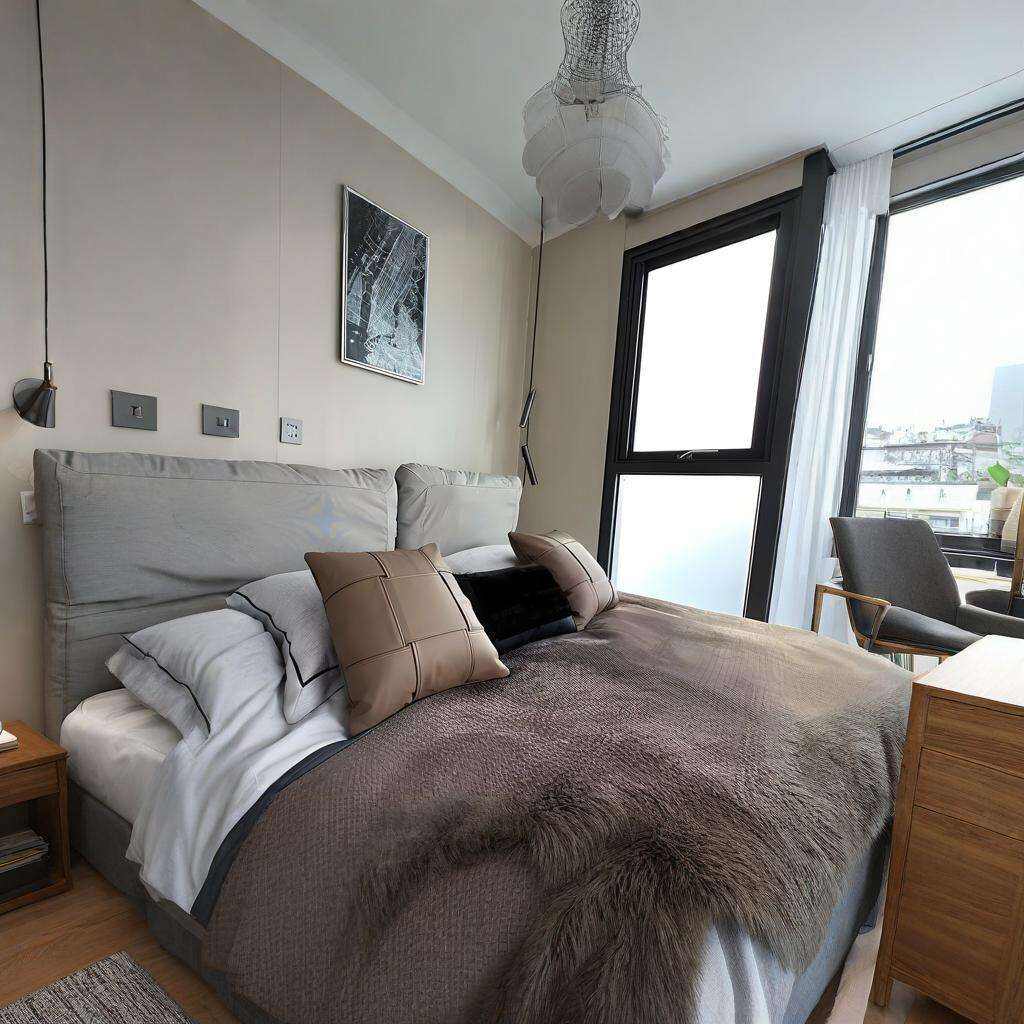
Modular Construction and Portability of Space Capsule Cabins
Flexible Modular Configurations for Custom Layouts
The modular design approach used in space capsule cabins really helps meet all sorts of different space requirements. According to some research published last year, these modular building systems cut down on construction waste by around 38 percent when compared to old school building techniques. Plus they let people customize their spaces exactly how they want them, whether that means setting up something small like a studio apartment or going bigger with multiple rooms. One interesting example comes from a project in Tokyo where residents could literally swap out walls and rearrange floors so fast that their living room became an office within half an hour flat. Just imagine being able to change your whole environment so quickly!
Prefabricated Modules for Faster, Precision-Based Assembly
Factory built modules with less than 2mm tolerance have become standard among manufacturers these days, which cuts down on site assembly work by about 60 percent. The components are precision engineered so that both electrical and plumbing systems get integrated right during fabrication, this approach really helps cut down those pesky installation mistakes we all know too well. Top manufacturers say it takes around 72 hours to put together a 150 square foot unit these days. That's four times faster than what was possible before thanks largely to those CNC cut joints and numbered assembly instructions that make everything click into place much more efficiently.
Sustainable Materials and Environmental Impact in Capsule Construction
Lightweight, Durable Materials Optimized for Space Capsule Cabins
The cabins of space capsules need materials that can handle serious stress without adding unnecessary bulk. Most modern designs rely heavily on aluminum alloys mixed with some pretty advanced composite materials. This combination cuts down on overall weight by about 30% when compared to old school steel construction methods according to a recent study from 2023 on space habitat materials. What makes these materials so good? They stand up against both corrosion and those nasty temperature swings we see in space environments. That matters a lot for anything meant to last through years of exposure to unpredictable conditions. Another neat trick is how multi layered composite panels work their magic with insulation. Tests show they keep heat better than regular designs by roughly 25%. Plus there's the added benefit of modularity which means easier transport logistics. When putting everything together in orbit or wherever, this modular approach actually saves between 15 and 20 percent on fuel costs per unit during assembly operations.
Eco-Friendly Design Practices That Reduce Environmental Footprint
Many manufacturers are turning to circular design approaches that cut down on waste throughout production cycles. According to recent industry reports from 2024, around 90% of aluminum scraps and composite materials get recycled back into new parts through closed loop systems. When it comes to energy, integrating solar panels significantly cuts dependence on fossil fuels. Over the life of a cabin, this can prevent roughly 40 to maybe even 50 tons of CO2 emissions. Prefab building modules have another benefit too they keep construction site waste down by about two thirds compared to traditional methods. And don't forget about those rainwater collection systems which save nearly a third of the usual water consumption each year. All these green initiatives fit within ISO 14001 guidelines, so space capsule cabins not only hit tough environmental targets but still deliver all the necessary functions crews need out there in orbit.
FAQ
What are some benefits of open floor plans in space capsule designs?
Open floor plans eliminate extra walls, allowing sunlight to flow throughout the cabin and enhancing a sense of spaciousness. This design also improves air circulation, reducing power needed for ventilation systems.
How do multifunctional furniture pieces aid in space efficiency?
Multifunctional furniture serves dual purposes, such as dining tables that convert into workspaces and seating that transforms into beds, allowing for a reduction in furniture footprint.
What are hidden storage solutions used in space capsules?
Hidden storage solutions include hydraulic lift beds and false wall panels that provide space for storing luggage and bulk supplies without compromising aesthetics.
How does modular construction contribute to space capsule design?
Modular construction allows customization, reduces construction waste, and makes assembly faster and more precise, providing flexibility in space design.