
 EN
EN
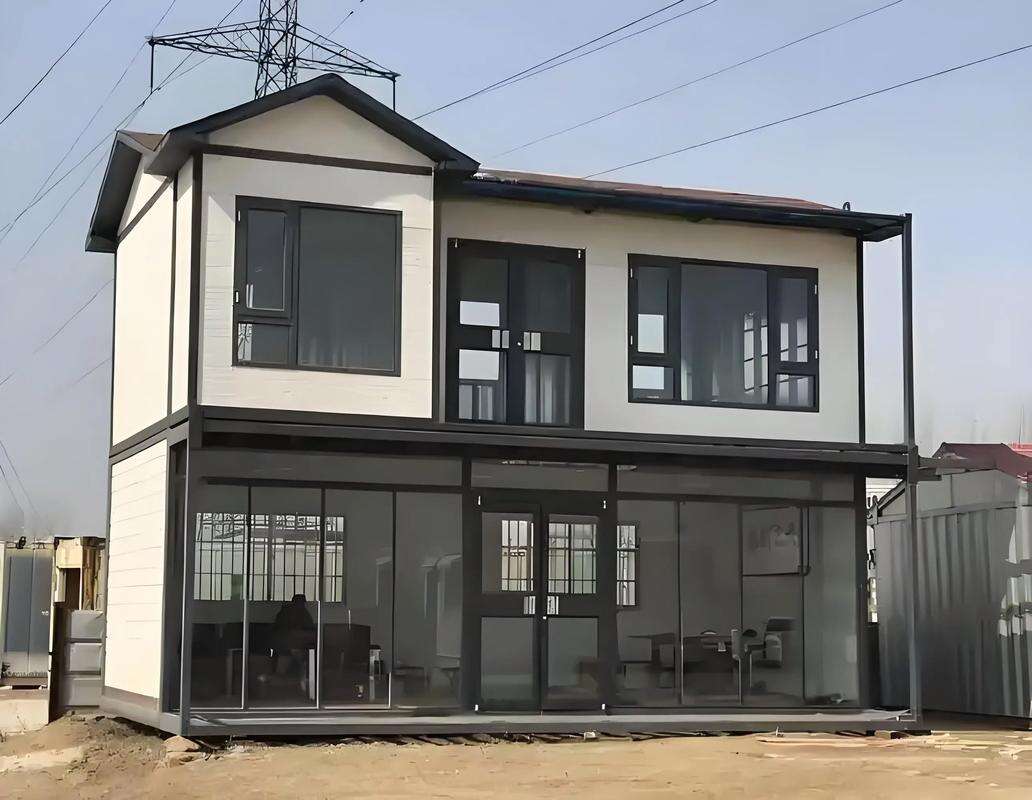
Design for Waste Reduction: Optimize Layouts and Standardization
Align modular units with ISO shipping container dimensions to eliminate cutting waste
When building prefab container homes using standard ISO sizes like 20 feet and 40 feet long with an 8 foot width, there's no need for those frustrating custom cuts on structural parts, which means less wasted materials overall. The steel panels and frames come already cut to size according to these standards, so we're talking about around 15% fewer scraps lying around compared to when builders work with irregular measurements. From an environmental standpoint, sticking to these dimensions makes modular construction much greener since factories can achieve nearly perfect material usage at around 98%. Plus, transporting these units becomes way easier too. They just slot right into regular shipping containers without any special modifications needed, which saves money and reduces all sorts of waste during transport.
Apply nesting algorithms and parametric CAD to maximize steel panel yield
When parametric CAD software works together with AI nesting algorithms, it can get over 95% material yield from steel sheets, way better than the usual 70 to 80% when people lay out parts manually. The smart systems figure out how to place all those window openings, structural connections, and other details so there's minimal waste when cutting with plasma torches or lasers. As these systems adjust on the fly to actual sheet sizes, they cut down on scrap by about 30%, all while keeping measurements accurate within less than a millimeter. What happens to leftover bits? Most shops find ways to reuse them for making smaller components or repair parts, which makes sense economically and environmentally. This kind of thinking about material usage isn't just good business practice anymore, it's becoming standard across many fabrication shops looking to stay competitive.
Leverage Factory Precision to Reduce Material Waste
How controlled environments cut waste to <2% vs. 30% in traditional on-site builds
Modular container house factories manage to keep their waste down to under 2%, which stands out when compared to regular construction methods that waste around 30% of materials. Inside these factories, everything runs in climate controlled spaces where CNC routers and laser cutters follow digital blueprints precisely. This cuts down on mistakes that would normally send workers back to fix things. The whole operation takes place inside sealed buildings too, so there's no risk of wood getting warped by moisture or covered in dust like happens on job sites where about 15% of materials end up ruined. When something does go wrong, automated systems catch it right away and recycle the scrap material straight back into new parts. This creates a circular process that just isn't possible with traditional building techniques. Factories apply lean manufacturing concepts throughout their operations, resulting in almost zero waste overall while saving resources and getting projects completed much faster than standard construction approaches.
Implement Lean Processes to Minimize Waste Across the Supply Chain
Just-in-time material delivery, digital takeoffs, and supplier integration
Applying lean manufacturing techniques can cut down on material waste throughout the prefab container house industry, sometimes as much as 30%. The JIT delivery system works really well when shipments match up exactly with what's needed during production runs. This approach stops warehouses from getting overloaded and prevents damage to items stored too long, which matters a lot for things like insulation panels that get ruined if they stay damp. When contractors use digital takeoffs with BIM technology, they get super accurate measurements down to the millimeter level. According to a study published last year in Construction Innovation, this cuts material errors compared to old fashioned paper calculations by around 22%. Working together through shared digital systems lets everyone track inventory in real time while making sure all parts meet the same standards. Fewer mistakes mean fewer returns and replacements overall. Putting all these pieces together creates a system where reducing waste isn't just something done in one department anymore but becomes part of how the whole operation functions day to day.
FAQ
How do ISO dimensions help in waste reduction?
ISO dimensions standardize sizes for shipping containers, eliminating the need for custom cuts in prefab construction, thereby reducing material waste.
What role does parametric CAD play in waste management?
Parametric CAD, especially when paired with AI nesting algorithms, optimizes steel panel yield to over 95%, significantly minimizing waste.
Can lean processes truly impact the supply chain's waste production?
Yes, implementing lean processes like JIT delivery and digital takeoffs enhances accuracy and coordination, reducing waste across the supply chain.